Author: Jada Goggins

  • Here’s How Experts Say to Combat Seasonal Depression

    Here’s How Experts Say to Combat Seasonal Depression

    With the holidays approaching, seasonal depression is slowly creeping up for a lot of people. Seasonal depression, also known as Seasonal Affective Disorder, is pretty common amongst people around the fall and winter times.

    Let’s be honest – we’ve all experienced those days when the gray skies and endless winter darkness seem to weigh heavily on our spirits. But what happens when those feelings go beyond a simple case of the winter blues? For many women, seasonal depression is a very real and challenging experience that can turn everyday life into an uphill battle.

    There are so many questions: what causes SAD? Why is it only certain times of the year? Why do I have it? Let’s get into it!

    Advertisements

    And here’s something important to know: women are particularly vulnerable to this condition.

    What is Seasonal Affective Disorder (SAD) or Season Depression?

    The National Institution of Mental Health defines SAD as a type of depression characterized by a recurrent seasonal pattern, with symptoms lasting about 4−5 months out of the year. The signs and symptoms of SAD include those associated with depression as well as disorder-specific symptoms that differ for winter-pattern versus summer-pattern SAD.

    There are two types of SAD:

    1. Summer depression-which normally starts late spring and ends in the beginning of fall.
    2. Fall/Winter depression-more common, starts in fall/winter and ends in spring/early summer.

    Why Women Are More Affected

    You might be wondering, “Why me?” The truth is that women face many factors that make seasonal depression more likely:

    • Hormonal rollercoasters that can impact mood and energy.

    Periods and hormonal changes that women often go through can affect our moods. Aside from menstrual hormones-pregnancy, perimenopausal, and premenopausal hormones can affect this.

    • Biological differences in how we process light and brain chemistry.

    Reduced sunlight during winter can dramatically alter the body’s internal clock, leading to hormonal imbalances and mood disturbances.

    • Social and cultural pressures that often leave women carrying emotional burdens.

    Your experience is valid, and you’re not alone. Millions of women navigate these challenging seasonal shifts yearly, and understanding is the first step to feeling better.

    Advertisements

    Seasonal Depression: More Than Just Feeling Sad

    Seasonal depression isn’t just about feeling a little down. It can look like:

    • Struggling to get out of bed in the morning
    • Losing interest in activities you once loved
    • Feeling like you’re moving in slow motion
    • Battling constant fatigue and brain fog
    • Experiencing changes in appetite and sleep patterns
    • Decreased libido
    • Feelings of unworthiness

    It’s important to know that anybody can experience this. The earlier you get help, the better. Depression without treatment can last up to weeks, months, and even years.

    Your Personal Toolkit for Battling Seasonal Depression

    Practical Strategies That Actually Work

    1. Light Up Your Life: Literally! Light therapy can be a game-changer. Think of it as a daily dose of sunshine when the world outside is gray.

      Spending time outside in sunlight can help ease symptoms. Light therapy is a real thing. If you can’t get sunlight daily, find an alternative, like a lamp, or you can research different light sources.

      2. Move Your Body: Exercise isn’t about looking perfect – it’s about feeling better. Even a 20-minute walk can boost your mood significantly.

        Get outside and take a walk! Listen to some music or an inspiring podcast. If you’ve been wanting to get into the gym but don’t have the motivation, this is your sign to get up and go!

        3. Connect and Share: Your feelings are real, and you don’t have to face them alone. Reach out to friends, family, or a support group.

          Talking to someone about how you feel will give you a sense of relief you didn’t know you needed.

          4. Stay away from substances: Alcohol and drugs, legal or illegal, make depression worse. They may help you temporarily but do nothing but hinder you long-term. Physically and emotionally.

          5. Therapy: It’s essential to be aware that everyone goes to therapy. It’s not just for those who are feeling mentally unwell.

          Athletes, married couples, pastors, social workers, police officers, no one is exempt from psychotherapy. Based on specific professions, some individuals are required to go to therapy.

          Advertisements

          When to Reach Out for Help

          Listen to your body and mind. If you’re experiencing:

          • Persistent sadness lasting more than two weeks
          • Significant changes in sleep or eating patterns
          • Thoughts of self-harm or feeling hopeless

          It’s time to talk to a healthcare professional. There’s absolutely no shame in seeking support – it’s a sign of strength, not weakness.

          Every woman’s journey with seasonal depression is unique. Some find relief through therapy, others through medication, and many through a combination of approaches. The most important thing to remember? You have the power to manage your mental health.

          Advertisements

          Practical Self-Care Strategies

          • Create a cozy, comforting environment at home
          • Establish a consistent sleep schedule
          • Eat nutritious, mood-boosting foods
          • Practice mindfulness and stress-reduction techniques
          • Be kind to yourself – you’re doing the best you can

          Why does SAD happen?

          While there are currently no proven scientific reasons for the cause of seasonal depression, some experts believe that it becoming darker outside earlier is what affects people’s moods/feelings. Drastic time changes can alter people’s sleep schedules, work schedules, and circadian rhythms. Less sunlight equals less serotonin, a chemical linked to our brain that affects our mood.

          Some believe SAD in the spring/summer may be linked to societal pressure as there are more events scheduled during that time of the year.

          A Message of Empowerment

          Seasonal depression doesn’t define you. It’s a challenge you’re facing, not a character flaw. Your worth isn’t determined by your ability to feel happy during the darkest months. You are strong, resilient, and capable of finding light – both literally and metaphorically.

          You’ve Got This!

          Remember, seeking help is a sign of strength. Always remember to surround yourself with positive people. Whether it’s talking to a friend, consulting a therapist, or exploring medical options, you have multiple paths to feeling better.

          Disclaimer: This article is a supportive guide, not a substitute for professional medical advice. Always consult healthcare professionals for personalized guidance tailored to your specific needs.


        1. Common Insecurities in Women and Overcoming Them

          Common Insecurities in Women and Overcoming Them

          There’s a common misconception that an insecure woman is a woman who has difficulty loving herself. This misconception implies that insecurities and love can’t co-exist. There are many common insecurities most women experience, though everyone is unique; not all women reading this will feel the same way.

          Insecurities are a part of human nature, but societal pressures and personal experiences often magnify them, particularly for women. These insecurities range from physical appearance to career success, and while they vary from person to person, they usually stem from unrealistic expectations established by culture, media, or personal environments.

          Fortunately, these insecurities can be addressed and overcome through self-awareness, a change in habits, and a supportive community. Here, we’ll explore some of the most common insecurities among women and strategies for eliminating them.

          Advertisements

          Body Image

          Concerns about weight, body shape, and specific features are more common than most women think. Social media and beauty standards often amplify these feelings. Women can often be bombarded with unrealistic beauty standards and different opinions on what other people may deem as “beautiful.”

          With outlets like TV, Social Media, Magazines, and Models/Influencers, it can be easy to compare yourself to what’s being portrayed. It’s important to remember that only some things you see are reality.

          • Practice Body Positivity: Focus on appreciating your body for what it can do rather than how it looks. Love your body, don’t speak bad about it, and remind yourself that every body is unique.
          • Limit Social Media Exposure: Follow accounts that look like you and promote body positivity and diversity. It’s important to take breaks from platforms that make you feel inadequate.

          Skin and Complexion

          Acne, scars, wrinkles, and general skin appearance can cause a lot of self-consciousness. Many women feel pressure to have flawless, smooth skin. Many women feel insecure about their skin, whether it’s due to acne, scars, wrinkles, or hyperpigmentation. The beauty industry often capitalizes on these insecurities, promoting products that promise flawless skin, which can lead to a cycle of constant self-scrutiny.

          • Focus on Skincare, Not Perfection: Adopt a skincare routine prioritizing health and hydration over perfection. Use products specifically suited to your skin type, and seek professional advice if needed. Remember that skin texture and imperfections are normal. Redefining beauty standards within your mind can help you feel more comfortable in your skin.

          Hair

          This includes insecurities about hair texture, thickness, or how “tame” it. Natural hair, curls, or frizz can be a sensitive area for those trying to embrace their natural look. Many feel pressured to conform to societal norms that favor straight or sleek hair. This can lead to feelings of inadequacy or frustration when their natural hair doesn’t “behave” as expected. Most women also struggle with not being able to do their hair. Relying on someone else to take care of your hair can cause a rut when they’re not available.

          • Embrace Your Natural Hair: Celebrate your hair’s uniqueness. Learn about proper care techniques for your hair type and experiment with styles that make you feel confident.
          • Find a Supportive Community: Find online forums or a YouTube channel focusing on natural hair. Sharing experiences and tips to help you learn to take care of your hair.
          Advertisements

          Aging

          Wrinkles, gray hair, and other signs of aging can be a big concern, especially in cultures that place high value on youthfulness. Society’s fixation on youthfulness makes it difficult for many to embrace aging as a natural and beautiful process.

          • Shift Your Perspective: Begin to see aging as a sign of life experience and wisdom. Surround yourself with positive people who embrace aging gracefully.
          • Take Care of Your Health: Focus on maintaining physical and mental health through regular exercise, a balanced diet, and mindfulness practices.

          Career and Ambition

          Many women feel pressure to achieve career goals while also maintaining balance in their personal lives, and they may worry about being seen as too ambitious or not ambitious enough. Balancing career goals with personal responsibilities can feel overwhelming, leading to feelings of inadequacy.

          Women often feel insecure about their professional lives, fearing they are not achieving enough or being judged for their ambition—or lack thereof. Balancing career goals with personal responsibilities can feel overwhelming, leading to feelings of imbalance.

          • Set Realistic Goals: Break larger ambitions into smaller, actionable steps. Celebrate progress rather than fixating on the end goal.
          • Seek Mentorship: Find mentors or role models who can provide guidance and perspective. They can help you navigate challenges and offer reassurance.
          • Practice Self-Compassion: Recognize that success looks different for everyone. Avoid comparing your journey to others.

          Relationship Status

          Whether single, dating or in a relationship, women often feel pressured by society around romantic and family milestones. Many feel insecure about not meeting traditional milestones like marriage or having children by a certain age. If we haven’t accomplished something by a certain age, we begin to feel behind in life or, often, undeserving.

          • Redefine Success in Relationships: Focus on what makes you happy rather than societal expectations. Healthy, fulfilling relationships—romantic or otherwise—are more important than meeting unrealistic timelines.
          • Strengthen Other Connections: Build strong friendships and familial bonds. These relationships can provide emotional support and help reduce feelings of inadequacy.
          • Focus on Self-Love: Cultivate a positive relationship with yourself. Engage in activities that bring you joy and fulfillment.

          Financial Independence

          Financial insecurity is a significant concern for many women, especially those navigating careers, family responsibilities, and personal goals. The pressure to be financially independent or to depend on someone to take care of you can lead to stress and self-doubt. Everyone feels like they know what’s best for you when in reality, you’re the only one that truly knows.

          • Educate Yourself on Finances: Learn about budgeting, saving, and investing. Knowledge is empowering and can help you feel more in control of your financial situation.
          • Set Financial Goals: Create short- and long-term goals that align with your lifestyle. Track progress and adjust as needed.
          • Seek Support: Don’t hesitate to consult financial advisors or mentors for guidance.
          Advertisements

          Insecurities are universal, and discussing or sharing experiences can really help alleviate the sense of isolation these feelings sometimes bring.

        2. Challenges That Career-Driven Women Often Face

          Challenges That Career-Driven Women Often Face

          The many challenges of life, career, and societal pressures on women can be slippery. Many career-driven women face the harder choice between career success and personal fulfillment. For many single women, trying to survive on their own is hard. Society expects you to be married with kids by a certain age, and if that’s not what you desire, something must be wrong, right?

          What is a career-driven woman? A woman who places high value on her career, the progression of her career, and her job success.

          Advertisements

          Never should a woman find a way to survive on her own, and dare a woman not want kids. From the beginning of time, women weren’t allowed many rights. Now that women are granted these rights, are we wrong for working hard towards the things we were once not “deserving” of?

          Many career-driven women struggle to compete for the top spot and respect at work and with many other things outside the workforce. What would a woman focused on striving in her career possibly be facing? Let’s talk about it.

          Pressure from family to start a family

          Women who work day and night to excel in their careers don’t necessarily have the time to date or the desire to. While trying to make a living for themselves, family members (typically the mother, father, or both) will often complain, but they don’t want to see their loved one alone. On holidays, it can be difficult to show up single, and everyone is so worried about you. Your family members constantly question you about when you’ll settle down. Being perceived as a “workaholic” can cause you to begin feeling guilty about your lifestyle.

          Advertisements

          Deciding to prioritize your career over your personal fulfillment can look unfulfilling on the outside to other people, but all that matters is what makes you happy.

          Barriers at work

          Being an important woman in the workplace can come with some barriers. According to Moving Dots, there’s a “speaking while female” phenomenon where women face challenges in being taken seriously or being heard in meetings, making it difficult for them to advance in their careers. They also mention the more well-known glass ceiling barrier. It is attributed to gender bias and discrimination in the workplace toward women, preventing them from receiving the same opportunities and promotions as their male colleagues.

          Dating will be difficult

          Most men see a career-driven woman as too masculine, which may also reflect some insecurities on the man’s end. But this is something most women who put their career first deal with. Unfortunately, most, if not all, men don’t want to be with a “strong woman.” Heavy emphasis on “strong woman” since it is perceived in a negative sense. Most men would prefer a more “traditional” partner because there’s a stigma that career-driven women are not always submissive.

          It can be hard to balance a dating life when you’re focused on leveling up your career. Your partner may feel neglected or that you do not prioritize the relationship. It can be hard to maintain relationships when people feel like they are competing for a spot in your life.

          Advertisements

          Lack of work/life balance

          Being unavailable due to work obligations will cause you to miss many important events. Someone focused heavily on their career will always put their career first, so you may not see your friends and family as often as you’re used to. Missing birthdays, baby showers, and get-togethers. You’ll find yourself working more than actually enjoying your life and may become lonely. Coming home after work to dinner for one and being unable to call on the people you found yourself neglecting.

        3. How VP Kamala Harris is Shaping Leadership for Women all Over

          How VP Kamala Harris is Shaping Leadership for Women all Over

          For the first time in history, Vice President Kamala Harris was the first woman vice president of the United States and the first woman of color. What does this mean for women all over the world?

          Undoubtedly, the rise of women in leadership is at an all-time high. VP Kamala Harris is charting a New Way Forward—to a future where everyone has the opportunity not just to get by but to get ahead. Powerful women like VP Kamala Harris, Congresswoman Jasmine Crocket, Justice Kentaji Brown, and even Hilary Clinton are great examples of women in America who are not afraid to break barriers.

          In July 2024, President Joe Biden endorsed VP Kamala Harris as the Democratic Party’s nominee for the 2024 presidential election. In early August 2024, VP Harris became the official Democratic party nominee following her victorious win in a vote of party delegates.

          More than Just Representation

          As a woman in America, there are laws set in place that affect the everyday woman. It is important to have someone devoted to change in a position that these laws also affect. Kamala Harris is fighting for better lives for women, and the average middle-class American in a tough position.

          Her running alongside President Joe Biden in the 2020 election broke a historical barrier for Black women in U.S. politics, a space where Black women have often been underrepresented. VP Harris’s visibility as a Black woman in such a prominent position inspires many young Black girls and women. Seeing someone who looks like them in a leadership role provides hope and encouragement that they, too, can achieve great things despite systemic obstacles.

          I strongly believe that when God has chosen you to fulfill a purpose, it is your duty to be obedient and try every day to fulfill that purpose. America has been divided for so long; VP Harris is committed to ending this divide.

          More-than-qualified

          VP Harris has spent her entire life breaking barriers; here are a few things you should know about VP Kamala Harris.

          According to BBC, VP Harris began her career as the District Attorney of San Francisco. Her next promotion was as California’s Attorney General, where she became the first woman and black person elected to serve as the top lawyer in America’s most populous state.

          She used that momentum to propel her successful 2016 run as California’s next US Senator, a perch from which she drew buzz with her prosecutorial style in committee hearings. But it doesn’t stop there. On January 20, 2021, Kamala Harris was sworn in as Vice President – the first woman, the first Black American, and the first South Asian American to be elected to this position.

          It has been said that both Harri’s parents were at the forefront of the Civil Rights Movement. Her mother made it her duty to make sure Kamala Harris was knowledgeable about the many barriers she was about to break. Unlike many other politicians, VP Harris is for the people.

          Black Women in Leadership Roles

          While we know that women in leadership roles are held to a different standard, the harsh reality for Black women in leadership roles is that they face more systematic issues and barriers than any other race. According to Harvard Business School, black women leaders also often lack the support that white peers have access to. What does this mean for VP Kamala Harris?

          Harris brings a unique perspective informed by her own experiences as a Black woman. This perspective is essential for addressing issues like systemic racism, criminal justice reform, health disparities, and economic inequality—issues that disproportionately affect Black women and communities of color.

          Black women have often been at the forefront of activism and social movements, yet their contributions have been historically overlooked. Harris’s position helps amplify their voices and experiences in mainstream political discourse.

          Here’s what’s on the Harris-Walz agenda:

          1. Cut Taxes for Working People
          2. Lower Food and Grocery Costs
          3. Lower Health Care Costs
          4. Lower Energy Costs
          5. Lower Prescription Drug Costs
          6. Lower Costs by Protecting Consumers from Fees and Fraud
          7. Help Americans Buy a Home and Afford Rent
          8. Invest in the Small Businesses that Drive Growth, Innovation, and Jobs
          9. Invest in American Innovation and Industrial Strength Powered by American Workers
          10. Create Security and Opportunities for Workers and Build a Care Economy
          11. Strengthen Opportunity in Communities Across America
          12. Protect Americans’ Ability to Retire With Dignity
          13. Make Our Tax Code More Fair and Promote Growth
        4. The Impact of Hookup Culture On Women’s Emotional Well-Being

          The Impact of Hookup Culture On Women’s Emotional Well-Being

          Hookup culture is a popular movement today that empowers sexual liberation. The question is, is it hurting us or helping us?

          Without the expectation of a committed relationship, hookup culture promotes sexual liberation and casual hookups as a means to satisfy something deeper. Why are people so supportive of hookup culture? Let’s talk about it.

          What is sex meant for?

          Sexual Intercourse between two individuals is meant for married people. What most people don’t realize is that sex is very different for women than it is for men. Women are more likely to become emotionally attached to people they have sex with, unlike most men. Well, how are women participating in hookup culture?

          Studies show that women who are actively participating in casual sex with no strings attached are more than likely damaged emotionally in some capacity. Almost always, someone ends up wanting something more, resulting in someone getting hurt.

          Sex is also meant for reproduction, so it’s important not to have sex with someone you would not raise a child with for the rest of your life. It is a sacred act that expresses love and emotional connection with a lover. Not to be done casually.

          Men benefit from hookup culture; women don’t.

          Most men (or little boys) love the idea of casual relationships, no real responsibility, no one to hold them accountable, and no one extra they’re obligated to spend their money on. So, as long as they meet a woman with no real expectations except a physical relationship, they win. Men and women view sexual intercourse in two totally different ways. Women see sex as an emotional bonding experience, and men see sex as an activity.

          Men have penises; women have vaginas…if you are sexually active, then you know that the penis entering the vagina is how sexual intercourse takes place. With that being said, men are the givers, and women are the receivers. Women are on the receiving end of whatever men give them.

          Conversely, women will agree or find themselves in a casual situation, thinking they can do it later to find out they can’t. Women are emotional beings in nature. As emotional beings, we naturally crave love and emotional support, especially from those we deeply care about. Everything we do often always has our emotions tied to it. Having sex with strangers or someone you’re not emotionally invested in can be harmful to your mental health. It can often lead you to feel used and emotionally unsatisfied. Which is not how a woman is supposed to operate.

          You must respect your body.

          You must realize that you are worth far more than you are giving out. Something most women who partake in casual relationships don’t know is that they’re degrading themselves. Sex is a sacred act between two people who are committed to each other. This means that it is not something that should be done casually.

          Causal sex can lead to emotional distress versus sex in a committed relationship and marriage. This tends to lead to feelings of regret and emptiness. When a woman is deprived emotionally, she cannot operate in a way a feminine woman should. Feminine women do not partake in casual sex.

          There are a plethora of risky health concerns that can result in having casual sex, such as STIs and unplanned pregnancies. Trying to avoid an unplanned pregnancy can be detrimental to the body as well since taking too many plan Bs can result in infertility. One of the most important responsibilities God gave women on earth was to give life. It is not something that should mistakenly happen.

          Be careful about who you choose to lay with, it’s an expensive cost.

        5. Multivitamins with Magnesium for Healthy Women

          Multivitamins with Magnesium for Healthy Women

          Magnesium is a vitamin involved in over 300 biochemical reactions in the body, making it an important nutrient to include in your daily supplement routine. Let’s explore some of the best multivitamins with magnesium on the market. From popular brands to lesser-known options, I will provide you with a list of multivitamins that deliver the right dosage of magnesium. Whether you’re looking for a specific brand or a specific form of magnesium, I’ve got you covered.

          Importance of magnesium in the body

          One of the primary functions of magnesium is its role in the production of energy. It is a cofactor for enzymes that are responsible for converting food into adenosine triphosphate (ATP), the primary energy currency of the body. Without adequate magnesium, these enzymatic reactions cannot occur efficiently, leading to a decrease in energy production and potential fatigue.

          According to Northwestern Medicine, some benefits of Magnesium include:

          Primarily in your bones, muscles, and non-muscular soft tissue — magnesium is involved in:

          • Muscle and nerve function
          • Blood pressure regulation
          • Blood sugar control
          • Energy production
          • Protein
          • Bone density
          • DNA repair

          Magnesium also plays a crucial role in the regulation of muscle and nerve function. It helps to maintain normal muscle contraction and relaxation, which is essential for proper muscle function and preventing cramping. Furthermore, magnesium is essential for the maintenance of healthy bones and teeth. It is a key component of the mineral matrix that gives bones their strength and density. Sufficient magnesium intake can help to prevent the development of osteoporosis and reduce the risk of bone fractures.

          Believe it or not, according to recent studies, more than 50% of people are magnesium-deficient. People who take magnesium are relaxed, calm, and sharp.

          Common food sources of magnesium

          Magnesium is naturally present in a variety of food sources, making it relatively easy to incorporate into a balanced diet. Some of the most common and readily available food sources of magnesium include:

          1. Whole grains
          2. Leafy green vegetables
          3. Nuts and seeds
          4. Legumes
          5. Avocados
          6. Bananas
          7. Dark chocolate
          8. Milk & Yogurt
          9. Fish

          Incorporating these magnesium-rich foods into your diet can help you meet your daily magnesium needs. However, it’s important to note that the amount of magnesium absorbed from food can vary depending on factors such as the presence of other nutrients, individual absorption rates, and any underlying health conditions.

          Here are a few popular multivitamins that contain magnesium:

          Multivitamins that contain Magnesium

          The recommended daily magnesium intake can vary depending on age, gender, and individual health needs. Here are the general guidelines for the recommended dosage of magnesium in multivitamins:

          Adults (19-30 years):

          • Men: 400-420 mg per day
          • Women: 310-320 mg per day

          Adults (31 years and older):

          • Men: 420-430 mg per day
          • Women: 320-360 mg per day

          Pregnant Women:

          • 350-400 mg per day

          Breastfeeding women:

          • 310-360 mg per day

          It’s important to note that these are the recommended daily intakes, and the actual dosage of magnesium in a multivitamin may vary. When choosing a multivitamin with magnesium, look for one that provides a dosage within the recommended range for your age and gender.

          Additionally, the form of magnesium used in the multivitamin can impact the recommended dosage. For example, more readily absorbable forms of magnesium, such as magnesium glycinate or magnesium citrate, may require a lower dosage compared to less bioavailable forms like magnesium oxide.

          If you have any specific health conditions or concerns, it’s always best to consult with your healthcare provider to determine the appropriate dosage of magnesium for your individual needs. They may recommend a higher or lower dosage based on your specific circumstances.

        6. Navigating Lack of Diversity in the Workplace

          Navigating Lack of Diversity in the Workplace

          When organizations embrace diversity and create an inclusive environment, they unlock many benefits that can push them toward success. Organizations can tap into a wide talent pool by creating an environment where people from diverse backgrounds feel welcomed, valued, and empowered.

          Diversity and inclusion go beyond just the demographic makeup of a workplace. It encourages creating a culture where everyone, regardless of their race, gender, age, sexual orientation, or disability, feels a sense of belonging and is given equal opportunities to grow and thrive. When employees feel included and respected, they are more likely to be engaged, motivated, and committed to the organization’s success.

          The current state of diversity in today’s workplaces

          Despite the growing importance of diversity and inclusion, many workplaces still struggle to achieve significant progress in this area. As someone who has experienced a lack of diversity in the workplace, it is, and can, be a discouraging experience.

          In the financial services sector, women hold 21% of senior leadership roles, and the representation of racial and ethnic groups in these positions is also disproportionately low. The same pattern can be observed in fields such as law, healthcare, and academia, where certain groups continue to face obstacles to advancement and inclusion.

          Advertisements

          The lack of diversity in today’s workplaces is not just misrepresentation; it also reflects deeper systemic issues, such as unconscious bias, lack of opportunities, and persistent stereotypes and discrimination. This can create a vicious cycle, where underrepresented groups feel isolated, overlooked, and discouraged from pursuing certain career paths.

          Advertisements

          The benefits of embracing diversity and inclusion

          Aside from good leadership, D&I is the second most common component of workplace happiness and success. When organizations develop a diverse and inclusive culture, they can reap advantages that can drive their success and competitiveness. Diversity and Inclusion are nothing more than creating a safe space and work environment for every employee.

          When people from different backgrounds, experiences, and perspectives come together, they are more likely to challenge beliefs, generate new ideas, and develop solutions to complicated problems. This diversity of thought can lead to creating products and services that better meet the needs of a diverse customer base, driving growth for your business.

          You May Also Like: 6 Non-Negotiables When Considering A Job Offer

          Moreover, diverse and inclusive workplaces often have stronger employee engagement and retention. Employees who feel valued, respected, and given equal opportunities are more likely to be motivated and committed to an organization. This can translate into higher productivity, reduced turnover, and lower recruitment and training costs, all of which matter in business.

          Advertisements

          D&I can also enhance an organization’s reputation and brand image, making it a more attractive employer for top talent. In today’s competitive job market, top talent has the luxury of choice. Companies that demonstrate a genuine commitment to diversity and inclusion are more likely to attract and retain the best employees. This can lead to improved communication, better teamwork, and a stronger sense of community, all of which contribute to a more engaged and productive workforce.

          Common challenges in achieving diversity and inclusion

          Despite the benefits of diversity and inclusion, many organizations continue to struggle to make progress against lack of diversity. A huge challenge is unconsciously knowing you’re discriminating against other groups. A company could be operating the same for so long, not realizing how it influences the growth of the company.

          According to WGU’s business blog, One of the largest barriers to increased workplace diversity can be resistance to change. As new policies and employees are brought into an organization, there are those who are resistant to the changes happening.

          Stereotyping, racism, and offensive remarks are just some of the negative consequences when your workforce is resistant to changes.

          Advertisements

          Another significant challenge is the lack of diverse representation in leadership and decision-making roles. When senior leadership teams and boards of directors are mostly made up of the same group, it can be challenging to have a true culture of inclusion and ensure that diverse perspectives are heard and valued. Addressing this challenge requires a focus on promoting diverse talent, and creating mentorship and sponsorship programs to support the career advancement of underrepresented groups.

          Many organizations still struggle to provide access to training, mentorship, and networking opportunities, which can limit the ability of diverse employees to acquire the necessary skills needed for advancement.

          Advertisements

          Furthermore, the continuation of systemic biases and discrimination, both conscious and unconscious, can create a hostile or unwelcoming work environment for underrepresented groups. This can lead to feelings of isolation, disengagement, and a lack of belonging, ultimately undermining the organization’s efforts to build a truly inclusive culture.

          Building a diverse and inclusive company culture

          Achieving D&I in the workplace requires a comprehensive approach that goes beyond implementing surface-level initiatives. It requires a deep, sustained commitment to creating a company culture that values and celebrates diversity and actively works to dismantle the barriers that prevent underrepresented groups from thriving.

          One of the key elements in building a diverse and inclusive company culture is strong leadership commitment. High executives and senior leaders must demonstrate a clear and determined commitment to D&I. While doing so, actively advocate these values throughout the organization is key.

          Another crucial component is the implementation of diversity and inclusion training programs. These programs should aim to raise awareness about unconscious biases, promote cultural competency, and equip employees with the skills and knowledge needed to encourage a more inclusive workplace. By providing ongoing training and education, organizations can help shift mindsets and behaviors and create a shared understanding of the importance of diversity and inclusion.

          The ultimate goal is to help employees build the necessary skills, connections, and visibility to advance their careers.

          Advertisements

          Furthermore, organizations should strive to create more fair and inclusive recruitment and promotion processes. This may involve reviewing job descriptions and hiring criteria to ensure they are not unknowingly excluding qualified candidates. Also implementing blind resume screening, and providing unconscious bias training for hiring managers. Additionally, organizations should consider expanding their talent pool by actively reaching out to underrepresented communities. Partnering with organizations can also help identify diverse talent.

        7. Throw A Vision Board Party That Will Turn Your Goals Into Reality

          Throw A Vision Board Party That Will Turn Your Goals Into Reality

          Vision boards have become one of the many popular forms of goal-setting through manifestation. A vision board party is the perfect way to bring your goals to life with people who have the same mindset as you.

          What is a vision board? Psychology Today defines a Vision Board as a collage of images representing goals and dreams. It can include cut-out pictures from magazines and words that help inspire you to manifest your dreams and get where you want to go.

          Vision boards can include images from magazines, drawings, inspirational words, photographs, or decorations.

          Advertisements

          What should you have at your vision board party?

          The goal is to be as creative as possible with your vision board. Prepare various materials for your guests to construct their vision boards (e.g., poster board or poster paper, magazines, construction paper, markers, colored pencils, glue, scissors, tape, stamps, ribbon, and stickers). The most important ingredients to make a good vision board include:

          • Poster Boards
          • Newspapers
          • Magazine
          • Glue
          • Scissors
          • Print-outs/Stickers
          Advertisements

          Provide your guests with instructions on how to create their vision boards. Clear instructions can help guests understand the purpose of the activity (e.g., to create a metaphorical representation of their future selves).

          You can also provide a wide variety of print-outs, stickers, pictures of inspiration, or quotes for them to put on their vision board.

          Invite them to create their vision boards in unique ways that represent who they are. Consider showing students multiple examples of vision boards so they can see a variety of ways to approach their boards. These examples may come from an internet image search or previous vision boards of yours or people you know.

          And if you’re a great host, you’ll provide food and/or snacks and refreshments.

          Hold each other accountable

          Don’t just make vision boards together, hold each other accountable to completing every goal. We can make vision boards, but that doesn’t mean we’re doing what we need to accomplish these goals.

          Check-in with everyone occasionally and ask how their coming along with their goals, and if their not making any movement, push and motivate them to do so.

          Advertisements

          Challenge your guests

          Ask guests to complete a reflection before starting their vision boards. Do this through individual journaling or discussion. This challenges them to put more thought and intention into their vision board. This can help them apply their past learning to their vision boards in a way that aligns with their future.

          Give your guests time and support to create their vision boards. Consider asking guests to clarify
          questions about their boards that require them to think about their goals and their futures.

          Good luck with those vision boards!

        8. Exploring the Different Types of Pilates: Mat vs. Reformer

          Exploring the Different Types of Pilates: Mat vs. Reformer

          Whether you’re a fitness enthusiast looking to add variety to your routine or someone in search of a gentle yet effective exercise method, Pilates offers an array of types and benefits to suit your needs. Whether you prefer a more traditional approach or want to incorporate props like resistance bands and stability balls, there’s a Pilates style that will resonate with you.

          Advertisements

          The Benefits of Pilates for Physical Health

          One of the primary benefits of Pilates is its ability to improve physical health by enhancing strength, flexibility, and overall body conditioning. Pilates focuses on developing core strength which improves posture, supports the spine, and reduces the risk of back pain.

          Additionally, to increase strength and endurance, Pilates exercises target specific muscle groups, such as the glutes, thighs, and arms. This increased flexibility can help prevent injuries, reduce muscle tension, and enhance athletic performance.

          Advertisements

          The Benefits of Pilates for Mental Health

          In addition to its physical benefits, Pilates offers numerous advantages for mental health and well-being. The mindful nature of Pilates, which focuses on concentration, control, and breathing, promotes relaxation and stress relief. By engaging in a Pilates session, individuals can alleviate tension, clear their minds, and cultivate a sense of calm and inner peace. The emphasis on breath awareness in Pilates encourages deep, rhythmic breathing that can help reduce anxiety, improve focus, and enhance mental clarity.

          This heightened awareness can lead to improved mental focus, increased self-awareness, and a greater sense of overall well-being. The combination of physical exercise and mental focus in Pilates makes it a holistic practice that nurtures both the body and the mind.

          Advertisements

          Exploring the Different Types of Pilates

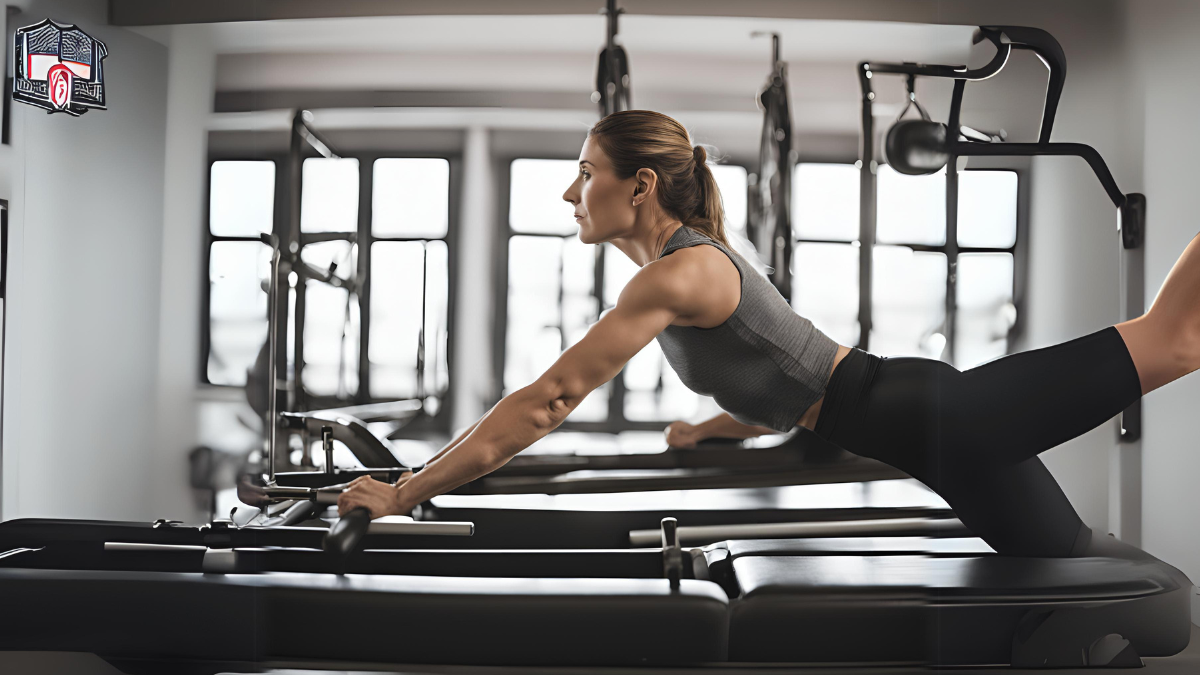
          There are several types of Pilates practices, each offering unique benefits and variations to cater your preferences and fitness goals. Mat Pilates is a form of Pilates that focuses on exercises performed on a mat, using body weight resistance to strengthen and tone the muscles.

          Reformer Pilates involves exercises performed on a specialized piece of equipment called a reformer, which utilizes springs and pulleys to provide resistance and assistance during movements.

          Clinical Pilates, on the other hand, is a specialized form of Pilates that is often prescribed by healthcare professionals to aid in rehabilitation, injury prevention, and postural correction.

          Advertisements

          Mat Pilates: What It Is and Its Benefits

          Mat Pilates is a form of Pilates that focuses on performing exercises on a mat, using body weight resistance to strengthen and tone the muscles. Pilates exercises with a mat target the core muscles, including the abdominals, obliques, and lower back, to improve core strength, stability, and posture. It also helps support the spine, enhance alignment, and reduce the risk of back pain. The exercises in mat Pilates are designed to promote overall body conditioning, flexibility, and muscle endurance.

          One of the key benefits of mat Pilates is its accessibility, as it can be practiced virtually anywhere with minimal equipment. Whether you are at home, in a studio, or outdoors, mat Pilates offers a convenient and effective way to engage in a full-body workout that targets multiple muscle groups.

          Advertisements

          Reformer Pilates: What It Is and Its Benefits

          Reformer Pilates is a form of Pilates that involves performing exercises on a specialized piece of equipment called a reformer. The reformer consists of a sliding carriage, springs, and pulleys that provide resistance and assistance during movements, creating a challenging and effective workout experience. Reformer Pilates targets specific muscle groups, including the core, arms, legs, and back, to improve strength, flexibility, and overall body conditioning.

          One of the key benefits of reformer Pilates is its ability to provide a full-body workout that promotes muscle toning, increased flexibility, and improved posture. The movements performed on the reformer challenge the body in multiple planes of motion, enhancing balance, coordination, and spatial awareness. Reformer Pilates is suitable for individuals looking to deepen their Pilates practice, challenge their strength and endurance, and experience the transformative effects of equipment-based Pilates.

          Advertisements

          Choosing the Right Type of Pilates for You

          In conclusion, Pilates is a versatile and transformative form of exercise that offers a variety of benefits for both physical and mental health. By understanding the principles of Pilates, exploring its various types, and experiencing its numerous advantages, you can unlock the transformative power of Pilates and enhance your overall physical and mental health.

          Whether you choose to practice mat Pilates for its accessibility and foundational approach or reformer Pilates for its dynamic and challenging workout experience, there is a Pilates style that will cater to your needs and preferences.

        9. Top 10 College Essentials For Girls

          Top 10 College Essentials For Girls

          Attending college can be an exciting experience, so it’s essential to be prepared and have everything you need. Being on your own for the first time can be difficult, so these college essentials for girls will set you up for success.

          Whether you’re going away to college or staying in your hometown, attending college is a privilege not everyone can experience. It’s best to take advantage of that experience and have everything you need for the ultimate college experience.

          Disclaimer: This article contains product affiliate links. We may receive a commission if you purchase after clicking on one of these links.

          Advertisements

          1. Laptop

          Your laptop will be your most valuable asset in college. You’ll carry it everywhere with you and complete all of your assignments on it. It’s important to know that without a laptop, or even an iPad, you’ll be depending on the library or other people to get your assignments done. Most assignments will be due at 11:59 pm, and the library is not always open late. Having a laptop will eliminate this unnecessary stress. Again, your laptop will be your most valuable asset in college.

          2. Planner/Organizer

          College planners are suitable for keeping up with assignments, presentations, and any events you may need to attend. A planner with a calendar that will help you keep up with your day-to-day schedule. It can be easy to forget everything you have scheduled for the day; a planner will keep you organized and up-to-date.

          Advertisements

          3. Headphones

          Advertisements

          If you’re attending a large school, then the walks to class will feel like a journey. Listening to your favorite tunes on the way to class will become a part of your daily routine. Headphones are also great for the library if you prefer to study with them or want to block out noise, making them one of the most underrated college essentials.

          4. Bag

          A bag is vital in college because it serves as an essential tool for carrying all necessary items, such as textbooks, notebooks, laptops, pens, and other study materials. You don’t want a plain old bag; you must carry your belongings around campus in style.

          Advertisements

          5. Blanket

          Every girl has a favorite blanket, and depending on the school, dorm rooms and apartments can be drafty or poorly heated, especially in colder months. College life can be stressful, and having a cozy blanket can be a source of comfort and relaxation. When studying or working on assignments late at night, having a blanket can provide extra comfort and help you stay warm and focused, especially if you’re in a common area or study lounge.

          6. Whiteboard

          A whiteboard is helpful for planning your week, including your assignments and any crucial tasks you need to remember. Many students also find visual aids helpful for studying. Use your whiteboard to leave reminders for yourself or messages for roommates. It’s an effective way to communicate important information in a shared living space. A whiteboard helps manage academic responsibilities effectively while also providing a space for personal expression and communication.

          Advertisements

          7. Notebooks

          College-ruled notebooks are the best for college because this is where everything you write down will be. The Five Star notebooks are the best because you can scan, study, and organize your notes with the Five Star App. Create instant flashcards and sync your notes to Google Drive to access them from anywhere, on any device. The Five Star college-ruled notebooks are large, come with folders, and will last an entire semester.

          8. Pens

          Being in college, you’re going to need pens on you at all times. You’ll need them in class, the library, your dorm, the financial aid office…the list goes on. Pens are essential in college because they are versatile tools for note-taking, completing assignments, and organizing information.

          9. First Aid Kit

          In case of emergencies. I didn’t think I needed this until I started using it. Your mom will not be there to help you with your boo-boo, so you must be prepared. Accidents can and do happen almost anywhere. Something as small as a paper cut will need a first-aid kit. If you accidentally burn yourself cooking, you’ll need a first-aid kit.

          Advertisements

          10. Coffee Maker

          College life often requires long hours, with extended study sessions, especially during midterms and finals. If you’re anything like me, you might even pull an all-nighter here and there. Waiting in line at a coffee shop can be a time-consuming experience. Having a coffee maker allows you to quickly brew a cup and get back to your studies or other activities. Having your own coffee maker is an investment that will save you time and money.

        10. Is Social Media Causing Insecurities? Let’s Talk Body Image

          Is Social Media Causing Insecurities? Let’s Talk Body Image

          Social media has many positive aspects, however, there is a darker side that often goes unnoticed – body image insecurities.

          Image by Capsula Nudes from Pixabay

          Advertisements

          As we scroll through our feeds, we are bombarded with perfectly filtered and edited images of idealized bodies, creating unrealistic standards of beauty. Studies have shown that exposure to these images can lead to feelings of inadequacy, comparison, and a distorted sense of self. As a result, many individuals, especially young people, are struggling with body dysmorphia, eating disorders, and low self-esteem.

          The impact of social media on body image

          Instagram, in particular, with its focus on visual content, has become a hotbed for showcasing unrealistic beauty standards. The constant exposure to these images can lead to a negative impact on mental health. According to research, individuals who spend more time on social media are more likely to experience body dissatisfaction and engage in appearance-based comparisons.

          Furthermore, social media has also created a space for cyberbullying, where individuals are targeted based on their appearance. This can enhance body image insecurities and lead to long-lasting emotional damage.

          Advertisements

          The role of influencers and celebrities in promoting unrealistic beauty standards

          Influencers and celebrities often play a significant role in shaping societal beauty standards through their social media presence. With their large followings and influence, they have the power to shape the perception of what is considered beautiful. However, many influencers and celebrities heavily rely on editing tools, filters, and risky surgeries to present an unattainable image of perfection.

          This curated online persona can be damaging to individuals who compare themselves to these “seemingly” flawless individuals. It’s important to remember that these images are often heavily edited and do not reflect reality. However, the impact on self-esteem and body image insecurities can be significant, especially for impressionable young people who are more vulnerable to these influences.

          Advertisements

          You may also like: Why Taking a Digital Detox is a Prescription for Your Well-Being

          It’s important to remember that beauty comes in all shapes and sizes, and everyone’s journey to self-acceptance is unique. By recognizing the harmful effects of comparison culture and actively challenging it, we can begin to foster a healthier relationship with our bodies.

          Social media addiction has become a growing concern in today’s society, with individuals spending excessive amounts of time online. By showcasing diverse body types and celebrating all forms of beauty, we can empower individuals to embrace their unique selves. It’s important to amplify voices that challenge societal norms and encourage self-acceptance. Going back to what social media used to be.

          Constantly scrolling through social media feeds can lead to a never-ending cycle of comparison, as individuals are bombarded with images of fake perfect bodies. This constant exposure can reinforce negative beliefs about one’s own appearance and contribute to low self-esteem.

          Advertisements

          To combat social media addiction and its impact on body image, it’s important to set boundaries and practice mindful usage. Taking breaks from social media and focusing on activities that promote self-care and positive self-image can help break the cycle of addiction and promote a healthier relationship with social media.

          It’s important to remember that social media is perception and not reality. Everything you see online is not always what it seems. Do not feed into what social media has become. Instead of feeding into the fake social media persona, be authentically you and you will be more respected.

          Let’s use social media as a tool for empowerment and self-acceptance, and encourage others to do the same. Together, we can make a positive change in the way we perceive ourselves and others, one post at a time.

        11. How to Recognize You’re Being Breadcrumbed

          How to Recognize You’re Being Breadcrumbed

          Dating in today’s society has become more challenging than ever. Nowadays everyone is jaded and it is exhausting, but being breadcrumbed can be even more exhausting. It’s good to indicate the signs early and have the important conversations in the beginning. When someone won’t communicate that they’re not interested in you, but wants to keep your attention, they breadcrumb you.

          Advertisements

          What exactly is breadcrumbing? Why are people doing it?

          What is breadcrumbing?

          Breadcrumbing is when someone gives you the bare minimum, just enough to keep you around, leaving you confused and anxious about where you stand in their lives. Typically, they might’ve lost interest or were never interested in the first place. That does not always have to do with you. Psychology Today defines breadcrumbing as a term for for stringing someone along with small nuggets of communication—but never fully committing to a relationship.

          Advertisements

          Breadcrumbing can be intentional or unintentional depending on how self-aware the person doing the breadcrumbing is. Master manipulators and narcisissts are well-known for breadcrumbing and leading people on. Again, being breadcrumbed is not something to blame yourself for. It is a manipulation tactic most cowards who are not good at communicating result to. They tend to have a pattern of breadcrumbing, ghosting, and gaslighting.

          Signs of Breadcrumbing:

          • Inconsistency
          • Often go missing for hours or days at a time
          • Not following through with plans
          • View/like your social media posts without responding to you
          • Ignoring the process of trying to make plans with you
          • You never know where you stand with them
          • Avoid the “committment” conversation
          Advertisements

          Why do people breadcrumb?

          Most of the time they just aren’t ready for a relationship and the responsibility that comes with it. Sometimes people are in a space or not mature enough for responsibility, no matter what age they are.

          Feeding off of the attention they get from you. It is indeed a form of manipulation, and if ignored will lead to emotional abuse.

          Advertisements

          They like you but they aren’t ready to commit. They don’t like you and aren’t ready to commit. Either way, they’re doing just enough to keep you around. Narcissists are popular for treating people this way, as they have a “player” approach to dating and are often only thinking of themselves.

          How to avoid breadcrumbing

          It’s important to recognize the signs and address them right away. You must have standards and boundaries and not settle for anything less. Trust your instincts. If you feel that you are being treated poorly, its important to communicate those feelings and leave when necessary. You are the only person that sets the standards and expectations for how people treat you.

          Advertisements

          However, it is important to know that when someone is breadcrumbing you, it is a reflection of their character, not yours. Being breadcrumbed absolutely sucks, but it is good to identify it early so that you can dodge that [potentially long-lasting] bullet. Your self-love has to be stronger than your loneliness. If you’re feeling confused or hurt, remember that someone who truly values you would not treat you that way.

        12. Experts Say These Certifications Will Boost Your Resume

          Experts Say These Certifications Will Boost Your Resume

          Certifications are pieces of paper that exhibit your knowledge and capabilities in a certain job or profession. Many companies prefer certifications on your resume because it’s a sure way to show you may be knowledgeable enough for the job. Putting certifications on your resume is an asset to your career development.

          Advertisements

          Potential companies or clients see a certificate as it provides them with confidence in your abilities to get the job done. In today’s competitive market. A certificate may put you ahead of other potential candidates who may not be as qualified.

          1. CPR Certifications

          CPR, which stands for Cardio-Pulmonary Resuscitation, is an emergency first-aid procedure that can save someone’s life in the case of an emergency. If you’re interested in anything health-field related, then a CRP Certification is always a plus. The CPR classes usually take only one day, no more than 1 hour. CPR is not only a requirement for those working as first-responders or in the health field. People that work in a profession involving children or those that are vulnerable, such as teachers, lifeguards, security, construction, event management.

          Advertisements

          2. Microsoft Certifications

          Microsoft is a global technology leader, and their certifications carry weight and prestige, signaling to others that you possess valuable skills and knowledge. Companies like Microsoft have a wide range of certifications, which mostly benefit IT fields. According to Indeed.com, Microsoft offers over 250 certifications to choose from for different levels of expertise. From Software Developer, Administrators, Engineers, Data Scientists, etc.

          3. Language Certifications

          Advertisements

          Language certificates demonstrate your capabilities in speaking, language comprehension, and your language in written/oral expression. They are big in business since many companies simply need translators. By learning new languages, it can deepen your understanding of different cultures, improve cognitive abilities, and broaden your worldview.

          You Might Also Like: Top Woman-Dominated Career Fields

          For students, language certificates can be beneficial when applying to universities or academic programs that require proficiency in a specific language. They may also fulfill language requirements for degree programs, scholarships, or study abroad opportunities.

          Advertisements

          4. Google Certifications

          Google offers what they call “Google Career Certificates”. According to Grow Google, Google Career Certificates are recognized by more than 150 employers in the U.S., including companies like Deloitte and Verizon. The program is uniquely designed to help you gain more career opportunities and access to potential employers.

          Needless to say, Google is a globally recognized tech giant, and its certificates carry significant weight and credibility in the industry. With that being said, holding a Google certificate signals to employers that you have received training from a reputable source.

          Advertisements

          5. Marketing Certifications

          A good marketing certificate can offer credentials in digital marketing, content marketing, advertising, and marketing management. these certificates can help build comprehensive marketing plans. Boost your existing marketing skills and job prospects.

          Advertisements

          Marketing is such a dynamic and rapidly evolving field, with new trends, tools, and techniques emerging regularly. Certificate programs help you stay updated with the latest industry trends, best practices, and technologies, ensuring that your skills remain relevant in today’s competitive scene.

        13. Forgiving Yourself for Past Mistakes: Why It’s a Must You Move On

          Forgiving Yourself for Past Mistakes: Why It’s a Must You Move On

          We often find ourselves stuck in the past, blaming ourselves for things we could have done differently. It’s hard to forget the mistakes we’ve once made, but it shouldn’t stop you from moving forward in life. To completely move on, you must practice forgiveness. Forgiveness is not something you do for the other person but for yourself.

          Forgiving without receiving an apology will make you feel better internally, and you won’t harbor feelings for years at a time. When you’re learning to forgive yourself, if you feel you need to apologize to yourself, then do so. But it is not always necessary.

          There are many steps to forgiveness, but in this article, we will mainly talk about forgiving ourselves. Inner work can be a difficult thing to do, which is why so many people avoid it. Most people have a hard time accepting the past mistakes they’ve made…avoiding the fact that it’s shaped them into the person they are today.

          Advertisements

          Emotional healing

          As women, we can be extremely emotional and sometimes irrational, even to ourselves. Making it harder to forgive. When we’ve done things that we later tend to regret, we’re so hard on ourselves sometimes that we identify too with our past mistakes. That doesn’t do anything for your emotional well-being. In order to properly tend to our emotions, we must be in tune with them.

          Advertisements

          You are no longer that person

          The older we get, the more we find ourselves reflecting on our past. Why did I let that happen? Or…I could have done that differently. Well, that’s a part of the healing and growing journey. The key is to not identify your past self but with your present, and future self.

          The new and improved you has learned from your mistakes. So it’s important to not associate yourself with the wrongdoings the old you were tangled up in. The number one indicator you’ve learned from your mistakes is the feeling of regret. When we regret something we’ve done, we know we will never do it again.

          Advertisements

          For the sake of moving on

          Letting go and forgiving the past improves your self-image. People tend to believe that forgiveness means that what happened was okay, which is not the case. The point of forgiveness is to heal and move on for your own good. Harboring on past mistakes, won’t erase them. Forgiveness helps you to finally be at peace with them.

          You can’t control the past

          Advertisements

          It would help if you stopped beating yourself up over something that happened in the past. Instead, control your future. Control what you can and let go of what you can’t. Whatever happened in the past has already happened. You have no control over that. The only thing you can control is everything else moving forward.

          From shame to self-love

          How you see yourself can reflect how other people see you. If you’re feeling shameful, you’ll believe you deserve less than you deserve, which is the opposite of self-love. It’s important to turn that self-hate into self-love. Know that regardless of whatever you’ve done in the past, you are more than deserving.

          The self-love journey is a life-changing process. Always replace negative thoughts with positive ones.

          Advertisements

          Seek professional help

          If you’re having a hard time, it’s always best to talk to someone. Seeking professional help can help you take the necessary steps to healing and moving on from self-shame. If you’re not able to seek professional help, confide in your close circle of trusted friends and family. Remember, support from others is the backbone of healing.

        14. Time Management Tips for Student Overachievers

          Time Management Tips for Student Overachievers

          Whether you’re a full-time or part-time student, school can become an overload. It’s an obligation that must be considered although you may have other things going on in life. Full-time moms, people who work a full-time job, or women who do both. Having a consistent schedule and sticking to it will make your load easier.

          Advertisements

          What are some good ways to manage my time you ask? Here are some of my favorite time management tips whenever I feel like I am losing track of time…

          Create a schedule

          When you write everything you have to complete on what day, and stick to that schedule, there’s a greater percentage you’ll get everything done. You’d be surprised at how organized and on track you’d be if you just wrote out a daily, weekly, or even monthly schedule. You will be ahead of the curve. Use planners, calendars, or digital tools to schedule tasks, assignments, and appointments. Allocate time blocks for different school work, family, self-care, and leisure activities.

          Advertisements

          Prioritization

          One of the main keys to good time management is prioritizing the things that are more important than the other things. When writing out your schedule, be sure to write the tasks/assignments that are more urgent or time-consuming first. So that you can knock those out of the way and make room for the not-so-urgent tasks that aren’t as time-consuming.

          Advertisements

          Learn to say “no”

          One of the most important things about time management is that you have to learn how to set boundaries. I talk about the importance of setting boundaries a lot in my posts, but it’s what helps gain control of your own life. If you know you’d be over-extending yourself by being available, then you must learn to say no. There is no proper time management without setting limits on your time.

          Advertisements

          Limit distractions

          If you know your phone is a distraction, put it on Do Not Disturb, or put it in another room. If you know you can’t multitask, turn the TV off until you complete your assignments. If you know you can’t work effectively with your friends around, separate yourself and work on your own. This is one of the most effective time management tips because this is what helps maintain 100% focus.

          Advertisements

          Give yourself an early deadline

          Sometimes we can see a deadline for later on and we push our tasks on the to-do list for later on. Work on finishing an assignment earlier than the deadline. Once this becomes a habit, you will be ahead of your own time. An early deadline creates a sense of urgency, that you have to finish by that deadline. When in reality, you completed it before the actual deadline.

          Do tasks in micro-doses

          This helps me out when I have a lot to do all at once. I break my tasks down little by little and work on them day by day. These little steps will help with progress and will even get your task completed earlier than intended.

          Working on one task for a certain amount of time and then another task for a certain amount of time is more efficient to me, then trying to complete everything is a smaller window of time.

          Advertisements

          By implementing these simple yet effective time management tips, busy students can balance their responsibilities and make the most of their time. It may take a little discipline but with will-power its achievable.

          Thanks for reading!