Author: Jada Goggins

  • Building a Personal Brand Online Without Oversharing

    Building a Personal Brand Online Without Oversharing

    In today’s digital world, building a personal brand is one of the most powerful ways to stand out, grow your influence, and create opportunities. Whether you’re an entrepreneur, content creator, or professional, your online presence shapes how others perceive your expertise and value.

    However, there’s a common misconception: that building a strong personal brand requires sharing every detail of your life. The truth is, you can build a compelling, authentic brand without oversharing. In fact, boundaries often make your brand stronger.

    Disclaimer: Some of the links in this post are affiliate links, meaning I may earn a small commission if you choose to make a purchase—at no additional cost to you. I only recommend products I genuinely love.

    This guide will show you how to master building a personal brand while maintaining privacy, professionalism, and control.

    Advertisements

    Why Building a Personal Brand Matters

    Before diving into strategy, it’s important to understand why building a personal brand is essential:

    • Increases visibility in your niche
    • Builds trust and credibility with your audience
    • Attracts opportunities like partnerships, clients, and media features
    • Positions you as an authority

    A well-crafted personal brand allows people to know what you stand for, without needing to know everything about your personal life.

    The Myth of Oversharing

    Many people believe that authenticity equals full transparency. But authenticity is not about exposure, it’s about alignment.

    Oversharing can:

    • Blur professional boundaries
    • Invite unwanted opinions or criticism
    • Dilute your message
    • Lead to burnout

    When building a personal brand, your goal is not to share everything, it’s to share what’s intentional and valuable.

    Step 1: Define Your Brand Core

    The foundation of building a personal brand starts with clarity.

    Ask yourself:

    • What do I want to be known for?
    • Who do I want to serve?
    • What value do I provide?

    Create a simple brand statement like:

    “I help [audience] achieve [result] through [your expertise].”

    This keeps your content focused and prevents unnecessary oversharing.

    Step 2: Choose What to Share (and What to Keep Private)

    A strong personal brand is built on strategic storytelling, not full disclosure.

    Share:

    • Lessons learned
    • Professional experiences
    • Insights and expertise
    • Relatable (but appropriate) personal stories

    Keep Private:

    • Sensitive relationships
    • Financial specifics
    • Family matters (if you choose)
    • Anything that doesn’t align with your brand purpose

    A helpful rule:
    If it doesn’t serve your audience or brand, you don’t need to share it.

    Step 3: Create Value-Driven Content

    Content is the engine behind building a personal brand.

    Focus on:

    • Educational posts (tips, how-tos)
    • Inspirational content (your journey, mindset shifts)
    • Authority content (opinions, insights, industry knowledge)

    When your content consistently delivers value, people connect with your expertise, not just your personal life.

    Step 4: Develop a Consistent Voice and Aesthetic

    Consistency builds recognition.

    When building a personal brand, ensure:

    • Your tone (professional, friendly, bold, etc.) stays consistent
    • Your visuals (colors, fonts, style) are cohesive
    • Your messaging aligns across platforms

    This creates familiarity and trust without needing to reveal more personal details.

    Step 5: Set Clear Boundaries Early

    Boundaries are essential for long-term sustainability.

    Decide:

    • What topics are off-limits
    • How much of your personal life you’ll share
    • When and how you engage with your audience

    Communicate these boundaries subtly through your content style. You don’t need to explain everything, your consistency will train your audience on what to expect.

    Step 6: Focus on Authority, Not Attention

    It’s easy to fall into the trap of chasing engagement through oversharing. But sustainable growth comes from authority.

    Instead of asking:

    • “Will this get likes?”

    Ask:

    • “Does this strengthen my brand?”

    When building a personal brand, authority attracts the right audience, and keeps them.

    Step 7: Be Authentic—With Intention

    Authenticity doesn’t mean telling everything. It means being real within your boundaries.

    You can:

    • Share struggles without revealing every detail
    • Tell stories with a lesson, not just emotion
    • Be relatable without being exposed

    Think of your brand as a highlighted version of your truth, not your entire life story.

    Common Mistakes to Avoid

    When building a personal brand, avoid:

    • Overposting personal content with no value
    • Inconsistent messaging
    • Trying to appeal to everyone
    • Ignoring boundaries until burnout happens

    Remember: your brand should support your life—not consume it.

    Building a personal brand doesn’t require you to overshare or sacrifice your privacy. The most impactful brands are built on clarity, consistency, and intentional storytelling.

    By focusing on value, setting boundaries, and showing up authentically (without overexposing yourself), you can create a powerful online presence that attracts the right audience—and protects your peace.




    Join using this link for the exclusive price of $3.79/month!
  • 7 Corporate Skills That Transfer Perfectly to Entrepreneurship

    7 Corporate Skills That Transfer Perfectly to Entrepreneurship

    Transitioning from a corporate job to entrepreneurship can feel intimidating. Many aspiring entrepreneurs believe they must start from scratch when leaving the corporate world.

    But the truth is, corporate professionals already possess valuable skills that translate directly into running a successful business.

    From leadership to time management, the experience you gain in the workplace can give you a strong advantage when launching your own venture.

    Advertisements

    Here are seven corporate skills that transfer perfectly to entrepreneurship:

    1. Project Management

    One of the most valuable skills developed in corporate environments is project management.

    In many roles, professionals are responsible for planning initiatives, coordinating teams, meeting deadlines, and delivering results. These same abilities are essential for entrepreneurs who must manage multiple aspects of their business simultaneously.

    As a business owner, project management helps you:

    • Launch products and services efficiently
    • Organize marketing campaigns
    • Manage timelines and deliverables
    • Coordinate with freelancers or team members

    Entrepreneurs who already understand how to plan and execute projects often find it easier to keep their businesses organized and productive.

    Advertisements

    2. Communication Skills

    Clear communication is critical in both corporate roles and entrepreneurship.

    Corporate professionals regularly communicate with coworkers, clients, and leadership teams through emails, meetings, presentations, and reports. These experiences strengthen your ability to convey ideas clearly and professionally.

    When starting a business, strong communication skills help you:

    • Pitch your ideas to investors or partners
    • Build relationships with clients and customers
    • Lead a team effectively
    • Develop compelling marketing messaging

    Successful entrepreneurs understand that communication drives trust and credibility.

    Advertisements

    3. Strategic Thinking

    Corporate environments often require employees to think strategically about goals, performance, and long-term outcomes.

    Professionals who participate in planning meetings, analyze performance metrics, or contribute to company initiatives are already practicing strategic thinking.

    This skill becomes extremely valuable in entrepreneurship because business owners must constantly make decisions about:

    • Market positioning
    • Business growth strategies
    • Pricing and revenue models
    • Competitive advantages

    Strategic thinking allows entrepreneurs to plan ahead instead of reacting to challenges.

    Advertisements

    4. Time Management

    In corporate jobs, deadlines are a constant reality. Employees learn how to prioritize tasks, manage workloads, and balance multiple responsibilities.

    These time-management skills are essential for entrepreneurs who often juggle many roles, including:

    • Marketing
    • Customer service
    • Financial management
    • Product development

    Without strong time management, it becomes easy for entrepreneurs to feel overwhelmed.

    Corporate experience often provides a strong foundation for staying organized and productive while building a business.

    Advertisements

    5. Leadership and Team Collaboration

    Many corporate roles involve working with teams or managing people. These experiences help professionals develop leadership abilities such as:

    • Motivating others
    • Delegating responsibilities
    • Resolving conflicts
    • Encouraging collaboration

    Entrepreneurs who understand leadership are better equipped to build and manage a team as their business grows.

    Even if you start as a solo entrepreneur, leadership skills become valuable when working with freelancers, contractors, or future employees.

    Advertisements

    6. Problem-Solving

    Corporate professionals regularly face unexpected challenges, tight deadlines, and changing priorities.

    These situations help build strong problem-solving abilities.

    Entrepreneurship also requires constant problem-solving because business owners must navigate:

    • Market shifts
    • Financial decisions
    • Customer concerns
    • Operational obstacles

    The ability to stay calm and find solutions is one of the most important traits of successful entrepreneurs.

    7. Professional Networking

    Corporate environments often expose professionals to a wide network of colleagues, industry contacts, and clients.

    These relationships can become valuable assets when launching a business.

    Networking skills help entrepreneurs:

    • Find potential clients or customers
    • Connect with mentors or advisors
    • Discover collaboration opportunities
    • Build partnerships

    Many successful businesses grow through relationships and referrals, making networking a powerful advantage for former corporate professionals.

    Advertisements

    Final Thoughts

    Starting a business doesn’t mean leaving your corporate experience behind. In many ways, those years in the workplace may have prepared you for entrepreneurship more than you realize.

    Skills like project management, communication, strategic thinking, and leadership can give aspiring entrepreneurs a strong foundation for building and growing a business.

    Instead of seeing corporate experience as a limitation, consider it a toolkit that equips you for entrepreneurial success.

  • Salary Negotiation Scripts for Women Who Hate Confrontation

    Salary Negotiation Scripts for Women Who Hate Confrontation

    Why Salary Negotiation Feels So Hard for Women

    If you hate confrontation, the idea of negotiating your salary probably makes your stomach drop.

    You might think:

    • “What if they rescind the offer?”
    • “What if I sound ungrateful?”
    • “What if they think I’m difficult?”
    Advertisements

    For many women, salary negotiation feels less like a strategic discussion and more like a personality test. We’re socialized to be agreeable, collaborative, and “easy to work with.” Asking for more money can feel like breaking those rules.

    But we must shift our mindset around the truth; negotiation is not confrontation. It’s clarification.

    And you can do it calmly, professionally, and confidently without becoming someone you’re not.

    The Data: Why Women Need to Negotiate

    Women who don’t negotiate their starting salary can lose hundreds of thousands of dollars over the course of their careers due to compounding raises and bonuses.

    Even a $5,000 increase in your starting salary can significantly impact:

    • Future raises
    • Bonus percentages
    • Retirement contributions
    • Total lifetime earnings

    Negotiation is a long-term financial strategy.

    The Mindset Shift: From Confrontation to Collaboration

    Instead of thinking:

    “I’m asking for more.”

    Reframe it as:

    “We’re aligning compensation with value and worth.”

    You are not arguing.
    You are discussing data, experience, and impact.

    Advertisements

    Salary Negotiation Scripts for Women Who Hate Confrontation

    Below are scripts you can use word-for-word. Adjust the numbers, but keep the structure.

    1. Script for Negotiating a Job Offer

    Use this after receiving a written offer.

    Email Version:

    Thank you so much for the offer. I’m really excited about the opportunity and the impact I can make in this role.

    After reviewing the offer and considering my experience in [X], as well as market benchmarks for similar roles, I was hoping we could discuss adjusting the base salary to $___ .

    I’m confident I can bring immediate value through [specific skills or results], and I’d love to align the compensation accordingly.

    Please let me know if we can explore this further.

    Why this works:

    • Appreciative
    • Data-focused
    • Collaborative tone
    • No aggression

    2. Script for Asking for a Raise

    Use during performance reviews or after documented achievements.

    I’ve really enjoyed contributing to the team this year, especially with [specific project/results].

    Based on the measurable impact I’ve had, including [metrics, revenue impact, efficiency gains], I’d like to discuss adjusting my compensation to better reflect my contributions.

    What would the process look like to move my salary closer to $___?

    This phrasing:

    • Anchors in results
    • Invites process discussion
    • Avoids emotional language

    3. Script for Women Who Feel “Awkward” Asking for More

    If you struggle with direct asks, try this softer but still strategic approach:

    I want to make sure I’m being thoughtful about long-term alignment here. Based on my research and experience level, roles like this typically fall in the $___ to $___ range.

    Is there flexibility to move closer to that range?

    You’re not demanding.
    You’re inviting alignment.

    Advertisements

    4. If They Say “There’s No Budget.”

    This is where many women freeze.

    Instead of backing down, say:

    I understand budget constraints. Are there alternative forms of compensation we could explore, such as signing bonuses, performance bonuses, additional PTO, or a 6-month salary review?

    Negotiation isn’t only about base salary.

    You can negotiate:

    • Signing bonus
    • Relocation assistance
    • Remote flexibility
    • Professional development budget
    • Title adjustment
    • Earlier performance review

    5. Script for First-Time Negotiators

    If this is your first job and you’re terrified:

    I’m very excited about the role. Before finalizing, I’d like to discuss whether there’s flexibility in the compensation package. Based on my academic background and internship experience, I was hoping we could explore a base salary of $___.

    You do not need 10 years of experience to negotiate.

    Advertisements

    How to Prepare (So You Don’t Panic)

    If you hate confrontation, preparation reduces anxiety by 50%.

    Before negotiating:

    1. Research salary ranges (Glassdoor, Payscale, LinkedIn Salary)
    2. Write down 3–5 measurable accomplishments
    3. Practice your script out loud
    4. Pause after making your ask (don’t fill the silence)

    Silence is not rejection.
    It’s processing.

    Common Salary Negotiation Mistakes Women Make

    Avoid:

    • Apologizing (“I’m sorry to ask…”)
    • Over-explaining
    • Making it personal (“I have bills…”)
    • Saying yes immediately out of fear

    Negotiation should center on value, not need.

    What If They Rescind the Offer?

    This fear stops so many women.

    The reality is, most professional employers expect negotiation.

    If a company rescinds an offer simply because you respectfully asked to discuss compensation, that’s information, not rejection. It’s a red flag about culture.

    The Long-Term Impact of Negotiating

    Negotiating your salary is not just about this job.

    It builds:

    • Financial confidence
    • Boundary-setting skills
    • Executive presence
    • Self-advocacy muscle

    And that muscle compounds.

    Advertisements

    Final Encouragement for Women Who Hate Confrontation

    You do not have to become aggressive to earn more.

    You can be:

    • Calm
    • Polished
    • Data-driven
    • Professional
    • Direct

    And still get paid.

    Negotiation is about strengthening your voice.

    Ready to Practice?

    Before your next offer, write your script down.
    Say it out loud.
    Record yourself if needed.

    Confidence isn’t a personality trait. It’s preparation.

  • Beauty Hacks You Didn’t Know You Needed—Until Today!

    Beauty Hacks You Didn’t Know You Needed—Until Today!

    We all love a good beauty routine, but the real glow-up happens when you discover those genius beauty hacks that make everything easier, faster, and better.

    Whether you’re trying to simplify your morning routine, stretch your products, or get professional-level results at home, these underrated beauty hacks are about to change your life.

    Let’s get into it.

    Advertisements

    1. Apply Concealer in a Triangle — Not Dots

    Most people dot concealer under their eyes. The trick? Apply it in a small upside-down triangle instead.

    Why it works:
    This technique brightens the entire under-eye area and instantly lifts your face. It prevents that “reverse raccoon” look and blends more seamlessly into your foundation.

    Pro tip: Use a damp beauty sponge to press (not swipe) the product into your skin for a flawless finish.

    2. Use Setting Spray Before and After Makeup

    Setting spray isn’t just for the end of your routine.

    Hack: Spray lightly after primer and again after finishing your makeup.

    Layering setting spray helps:

    • Lock in hydration
    • Increase foundation longevity
    • Prevent cakiness
    • Give that smooth, skin-like finish

    This beauty hack is especially helpful on hot days or during long workdays.

    3. Lip Liner as a Full Lip Base

    Want longer-lasting lipstick? Fill in your entire lip with liner before applying gloss or lipstick.

    Why this works:

    • Creates a stain-like base
    • Prevents feathering
    • Makes lips appear fuller
    • Extends wear time dramatically

    Choose a neutral liner close to your natural lip color for everyday wear.

    Advertisements

    4. Blow-Dry Your Eyelash Curler (Yes, Really)

    Warm your eyelash curler with a blow dryer for 3–5 seconds before using it.

    Important: Test the temperature on your wrist first.

    The slight warmth helps your lashes hold their curl longer, similar to how heat sets hair.

    This hack is perfect for straight or stubborn lashes that won’t stay lifted.

    5. Apply Highlighter in Unexpected Places

    Most people highlight cheekbones and stop there. Try applying highlighter to:

    • The inner corners of your eyes
    • The tip of your nose
    • Your brow bone
    • The center of your eyelids
    • Your collarbones

    This creates dimension and gives a subtle, expensive-looking glow.

    Advertisements

    6. Use Powder Before Foundation for Oily Skin

    If you struggle with oily skin, try this reverse routine:

    1. Moisturizer
    2. Primer
    3. Light layer of translucent powder
    4. Foundation

    Applying powder first creates a barrier that controls shine and extends wear time.

    It sounds backwards, but it works.

    7. Turn Any Pencil Into Gel Eyeliner

    Love the look of gel liner, but only have a pencil? Hold the tip of your eyeliner pencil near a flame for one second, let it cool for 10–15 seconds, then apply.

    It transforms into a smoother, creamier texture that glides effortlessly.

    Safety tip: Always allow it to cool before applying it to your eyes.

    8. Use a Toothbrush for Perfect Brows

    A clean spoolie is ideal, but in a pinch, a new toothbrush works too.

    Spray a little hairspray onto it and brush brows upward for a laminated look that lasts all day.

    This hack gives you that lifted, fluffy brow effect without brow gel.

    9. Ice Water for Pore Minimizing

    Before makeup, dip your face in ice water for 10–15 seconds or press a cold spoon onto your pores.

    Cold temperatures temporarily tighten skin and reduce redness, giving you a smoother base.

    This trick is especially helpful before big events or photos.

    Advertisements

    10. Mix Foundation With Facial Oil

    If your foundation feels too matte or heavy, mix in one drop of facial oil before applying.

    Benefits:

    • More natural, radiant finish
    • Prevents dry patches
    • Makes the foundation easier to blend

    Perfect for winter months or dry skin days.

  • From Corporate to CEO: Women Entrepreneurs Who Bet on Themselves

    From Corporate to CEO: Women Entrepreneurs Who Bet on Themselves

    The Rise of the Self-Made CEO

    For decades, the corporate ladder was sold as the ultimate path to success…steady paychecks, job security, and a clear trajectory. But for many women entrepreneurs, that promise came with burnout, limited growth, and ceilings that felt impossible to break.

    Today, a growing number of women are choosing a different route. They’re walking away from corporate titles and betting on themselves to transform ideas, side hustles, and passions into full-fledged businesses. The journey from corporate to CEO isn’t easy, but for these women, it’s been worth the risk.

    Advertisements

    Why More Women Are Leaving Corporate Careers

    The shift from employee to entrepreneur isn’t impulsive; it’s intentional. Typical motivations include:

    • Lack of advancement opportunities despite strong performance
    • Desire for flexibility and autonomy over time and income
    • Burnout and misalignment with corporate culture
    • A vision bigger than their job description

    For many women, entrepreneurship isn’t about escaping work; it’s about building work that aligns with their values.

    The Leap of Faith: Betting on Yourself

    Leaving a stable paycheck can feel terrifying. Many women who make the leap spend months or years preparing:

    • Saving emergency funds
    • Building businesses on the side
    • Acquiring new skills through courses or mentorship
    • Testing ideas before fully committing

    What separates those who leap from those who don’t? Belief. A belief that their skills are transferable, their ideas are valuable, and their success doesn’t need corporate validation.

    Lessons Learned on the Road to CEO

    Women who’ve transitioned from corporate to entrepreneurship often share similar lessons:

    1. Your Corporate Skills Are an Asset

    Leadership, project management, communication, and strategy don’t disappear when you leave corporate; however, they become your competitive advantage.

    2. Fear Doesn’t Go Away—You Move With It

    Confidence isn’t the absence of fear; it’s taking action despite it.

    3. Community Is Non-Negotiable

    Mentors, peer groups, and networks matter. Entrepreneurship can be lonely without support.

    4. Success Is Redefined

    It’s no longer just about titles or salaries—it’s about impact, freedom, and fulfillment.

    Advertisements

    What Success Looks Like Now

    For many women CEOs, success means:

    • Choosing clients and projects intentionally
    • Creating generational wealth
    • Having time flexibility for family and personal goals
    • Building brands that reflect who they truly are

    The corporate badge may be gone, but the influence is stronger than ever.

    Permission to Bet on Yourself

    The move from corporate to CEO isn’t about rejecting stability, but about redefining it. Women who bet on themselves prove that security can come from ownership, confidence, and clarity of purpose.

    If you’ve been waiting for a sign, this is it: your experience matters, your ideas are valid, and you don’t need permission to build something of your own.

    Advertisements

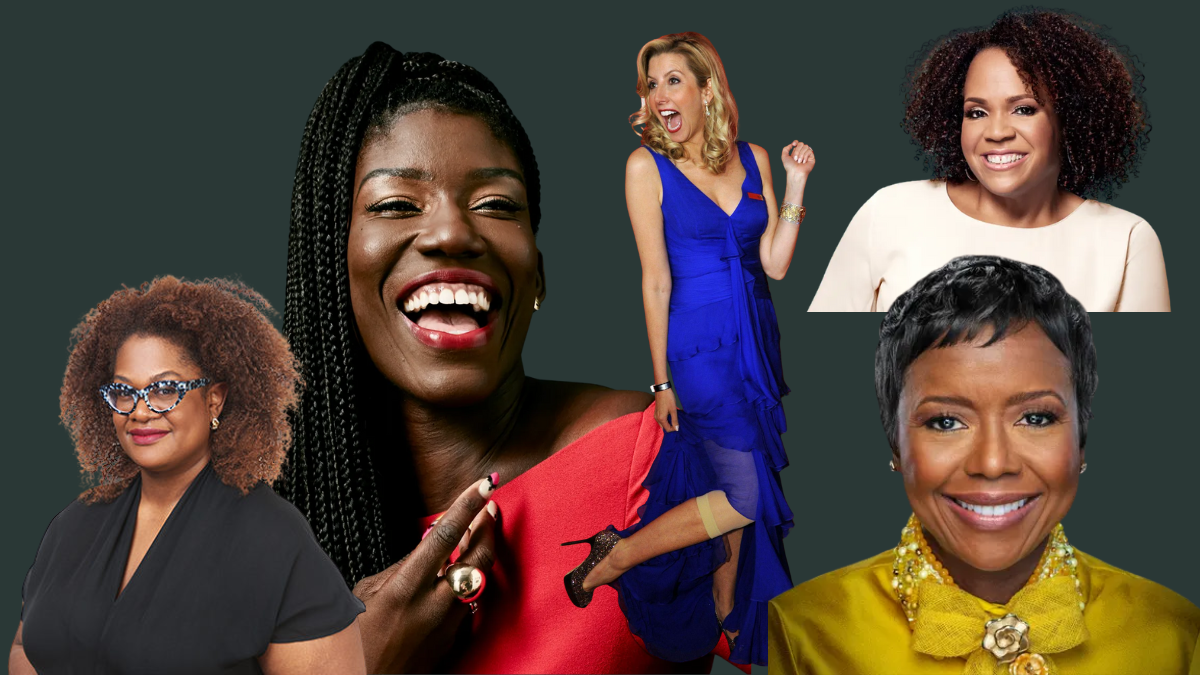
    Here are well-known women entrepreneurs who transitioned from corporate careers to building their own companies and clearly bet on themselves.

    Women Who Went From Corporate to CEO

    https://pyxis.nymag.com/v1/imgs/f6f/1ec/a5488185f41828e4ad5d90279bce545dcd-FeatLeadBozama.2x.h600.w512.jpg

    Bozoma Saint John
    Before becoming a globally recognized branding powerhouse, Bozoma held executive roles at PepsiCo, Beats by Dre, Apple Music, Uber, and Netflix. She later stepped into entrepreneurship, building her own brand rooted in culture, storytelling, and influence—on her own terms.

    https://images.openai.com/static-rsc-3/T1YXjNsX1wQBYMeTTb97X_HOF2b7FAdNfSFKtclTJp4jS7wPZi_64W5WIw_macHBmioQSG5nJPCVgpVx3RusUbwMGmY7xaLPbpRjil1_KGE?purpose=fullsize

    Sara Blakely
    Sara worked in sales before launching Spanx with just $5,000 in savings. No investors. No corporate safety net. Today, she’s one of the most iconic self-made women entrepreneurs in the world.

    https://imageio.forbes.com/specials-images/imageserve/676067cfff2639cbb30d2b5e/0x0.jpg?crop=1330%2C1333%2Cx0%2Cy203%2Csafe&fit=bounds&format=jpg&height=416&width=416

    Mellody Hobson
    Mellody rose through the ranks of corporate finance before becoming Co-CEO of Ariel Investments. She’s since used her leadership platform to advocate for financial literacy, diversity, and economic empowerment.

    Kathryn Finney
    After working in government and finance, Kathryn founded DigitalUndivided to support and fund Black and Latinx women founders. Her leap from corporate to CEO reshaped access to capital for underrepresented entrepreneurs.

    Lisa Price
    Lisa started Carol’s Daughter while working in television production. What began as a side hustle became a multimillion-dollar beauty brand—long before “clean beauty” and “Black-owned” were trending buzzwords.

    Advertisements
  • Why Boundaries Make Relationships Better, Not Worse

    Why Boundaries Make Relationships Better, Not Worse

    If you’ve ever worried that setting boundaries will push someone away, you’re not alone. A lot of people associate boundaries with being “cold,” “difficult,” or “too much.” But the truth is the opposite: healthy boundaries improve relationships by protecting respect, emotional safety, and trust.

    Boundaries aren’t walls. They’re guidelines that help two people stay connected without losing themselves in the process.

    Advertisements

    What Are Boundaries in a Relationship?

    Boundaries are limits that define what you’re comfortable with and how you want to be treated. They can be emotional, physical, digital, financial, or even time-related.

    For example, boundaries can sound like:

    • “I need alone time after work before we talk.”
    • “I’m not okay with yelling during disagreements.”
    • “Please don’t share personal details about me with others.”
    • “I’m happy to help, but I can’t lend money right now.”

    A boundary isn’t about controlling another person. It’s about communicating your needs clearly and taking responsibility for protecting your peace.

    Why Boundaries Make Relationships Stronger

    Healthy relationships aren’t built on guessing games. They’re built on communication, mutual respect, and trust. Boundaries support all three.

    1. Boundaries Create Emotional Safety

    When both people understand what’s acceptable and what isn’t, the relationship feels more stable. You don’t have to walk on eggshells or constantly wonder where you stand.

    Emotional safety is what allows people to be vulnerable, honest, and fully themselves without fear of being punished for it.

    Advertisements

    2. Boundaries Reduce Resentment

    Resentment often comes from over-giving, over-extending, or staying silent about what you really need.

    Without boundaries, you might say “yes” when you really mean “no,” then feel irritated later. Over time, that turns into frustration and emotional distance.

    Boundaries prevent that by making space for truth early before it becomes bitterness.

    3. Boundaries Improve Communication

    A relationship can’t thrive if people are afraid to speak up. Boundaries encourage open conversations like:

    • what you need to feel loved
    • what stresses you out
    • what makes you feel disrespected
    • what helps you feel supported

    Instead of arguing about symptoms (“you never listen”), boundaries help you address the real issue (“I need you to stop interrupting me when I’m speaking”).

    4. Boundaries Help You Stay True to Yourself

    One of the biggest relationship mistakes people make is shrinking themselves to keep the peace.

    But healthy love doesn’t require self-abandonment. Boundaries allow you to stay connected to your values, needs, and identity while still showing up for your partner.

    When you feel like yourself in a relationship, you’re more confident, secure, and emotionally available.

    Advertisements

    5. Boundaries Build Trust Over Time

    Trust isn’t just about loyalty; it’s also about consistency.

    When someone respects your boundaries, it sends a clear message:
    “I care about your comfort, your feelings, and your well-being.”

    That builds trust. And when you respect someone else’s boundaries, you create the same safety for them.

    Why Some People Think Boundaries Make Relationships Worse

    Boundaries only feel “bad” to someone who benefits from you having none.

    If a person is used to:

    • unlimited access to your time
    • emotional labor with no balance
    • you always forgiving everything
    • you staying quiet to avoid conflict

    …then boundaries feel like rejection. But they’re not rejected. They’re protection.

    And in healthy relationships, protection is love.

    Boundaries Are Not the Same as Being Mean

    It’s possible to set boundaries with kindness. You don’t have to be harsh or aggressive for your boundary to be real.

    Here’s the difference:

    Healthy boundary:
    “I’m not comfortable being spoken to like that. Let’s take a break and talk when we’re calm.”

    Unhealthy behavior:
    “I’m done talking. You always ruin everything.” (shutdown + blame)

    A boundary is calm, clear, and focused on your needs—not punishing the other person.

    Examples of Healthy Limitations That Improve Relationships

    Here are a few real-life boundaries that often make relationships healthier:

    Time boundaries

    • “I can hang out Friday, but I need Saturday to recharge.”
    • “I can’t text all day while I’m working.”

    Emotional boundaries

    • “I’m here for you, but I can’t be your only support system.”
    • “I need you to respect my feelings even if you don’t agree.”
    Advertisements

    Conflict boundaries

    • “We can disagree, but we won’t insult each other.”
    • “If we start yelling, we pause and come back later.”

    Physical boundaries

    • “I don’t like being touched when I’m upset.”
    • “I need personal space sometimes.”

    Social media/digital boundaries

    • “Please don’t post me without asking.”
    • “I’m not comfortable with you reading my messages.”

    How to Set Boundaries Without Ruining the Relationship

    If you’re nervous about bringing up boundaries, keep it simple:

    1. Say what you need
    2. Say why it matters
    3. Say what you will do if it isn’t respected

    For example:
    “I need us to stop arguing late at night. I get overwhelmed, and it makes things worse. If we start fighting after 10, I’m going to pause the conversation, and we can revisit it tomorrow.”

    That’s not drama. That’s maturity.

    The Bottom Line: Boundaries Protect Love

    Boundaries don’t create distance; they create clarity.

    They help you love without losing yourself. They prevent resentment. They make communication easier. And they build trust because both people feel respected and safe.

    If a relationship is truly healthy, boundaries won’t break it.
    They’ll strengthen it.

    Because the right person won’t fear your boundaries.
    They’ll appreciate them.

    Advertisements
  • How Women Use Tech for Building Passive Income Streams

    How Women Use Tech for Building Passive Income Streams

    In today’s digital economy, technology has transformed how women create wealth. No longer limited to traditional 9–5 jobs, women are leveraging tech tools, platforms, and automation to build passive income streams that generate money with little day-to-day involvement.

    From digital products and content monetization to AI-powered businesses, women are using technology to build scalable income streams, reclaim their time, and achieve financial freedom. Here’s how.

    Advertisements

    What Is Passive Income and Why Tech Matters

    Passive income is money earned with minimal ongoing effort after the initial setup. While no income stream is 100% hands-off, technology dramatically reduces manual labor by automating systems, distribution, and payments.

    Technology enables women to:

    • Automate sales and delivery
    • Reach global audiences
    • Monetize expertise digitally
    • Scale income without scaling hours

    This makes tech an essential tool for women balancing careers, families, and personal goals.

    Advertisements

    Digital Products: Turning Knowledge Into Income

    One of the most popular ways women use tech for building passive income streams is through digital products.

    Examples of Digital Products

    • E-books and guides
    • Online courses and workshops
    • Printable planners and templates
    • Stock photos, presets, and design assets

    Platforms like course hosting tools, payment processors, and automated email systems allow creators to sell products 24/7 with no inventory or shipping.

    Why it works:
    Once created, digital products can be sold repeatedly with little additional effort—making them ideal for passive income.

    Content Monetization Through Blogs, YouTube, and Podcasts

    Women creators are also building passive income through tech-powered content-driven platforms.

    Monetization Methods

    • Display ads
    • Affiliate marketing
    • Sponsored content
    • Memberships and subscriptions

    A blog post, YouTube video, or podcast episode can continue earning income months or even years after it’s published.

    SEO tools, analytics platforms, and scheduling software help women optimize content performance and automate publishing—turning creativity into long-term income.

    Advertisements

    Affiliate Marketing Powered by Technology

    Affiliate marketing is another powerful way women use tech to build passive income streams. By promoting products or services through trackable links, creators earn commissions on sales without handling customer service or fulfillment.

    Tech Tools That Make It Passive

    • Affiliate dashboards and tracking software
    • Link-in-bio tools
    • Email marketing automation
    • Analytics platforms

    This model works especially well for women in niches such as beauty, wellness, lifestyle, personal finance, and tech.

    Investing Apps and Robo-Advisors

    Technology has also lowered the barrier to entry for passive investing.

    Many women use:

    • Robo-advisors
    • Dividend-tracking apps
    • Automated investment platforms

    These tools handle portfolio management, reinvest dividends, and provide real-time insights—allowing women to grow wealth passively without deep financial expertise.

    Advertisements

    AI and Automation: The New Frontier of Passive Income

    Artificial intelligence is redefining how women build passive income.

    AI-Powered Income Ideas

    • Automated content creation
    • Chatbots for digital sales
    • AI-generated design and marketing assets
    • Print-on-demand businesses

    With the help of AI tools, women can launch businesses faster, reduce costs, and automate repetitive tasks—freeing up time while increasing earning potential.

    E-Commerce Without Inventory

    Technology has enabled women to run online stores without holding inventory.

    Popular models include:

    • Print-on-demand
    • Dropshipping
    • Digital storefronts
    Advertisements

    Automation tools handle order processing, fulfillment, and customer communication, making e-commerce more passive than ever before.

    Why Passive Income Is Empowering for Women

    Using tech to build passive income streams offers more than money, it offers freedom.

    Key benefits include:

    • Flexible schedules
    • Location independence
    • Income diversification
    • Long-term financial security

    For many women, passive income is a way to reduce financial stress, leave unsupportive work environments, or invest in future goals.

    Technology as a Wealth-Building Tool

    How women use tech for building passive income streams continues to evolve—but the core idea remains the same: technology creates leverage.

    Advertisements

    By combining creativity, strategy, and the right digital tools, women are building income streams that work even when they’re offline. Whether through digital products, content, investing apps, or AI-powered businesses, tech is reshaping what financial independence looks like for women everywhere.

  • Starting Over As A Woman in Your 20s/30s: What No One Tells You

    Starting Over As A Woman in Your 20s/30s: What No One Tells You

    Starting over is often framed as something you do after failure…a breakup, a layoff, a burnout, or a life decision that didn’t pan out the way you expected. But for many women in their 20s and 30s, starting over isn’t about failure at all. It’s about outgrowing a version of life that no longer fits.

    What no one tells you is that starting over as a woman isn’t glamorous, linear, or empowering every single day. It’s messy. It’s quiet. And sometimes, it feels lonelier than staying stuck.

    Here’s the truth about starting over that doesn’t make it into highlight reels, but matters the most.

    Advertisements

    Starting Over Doesn’t Always Come With Clarity

    There’s a common myth that when you decide to start over, everything suddenly “clicks.” You’re supposed to know your purpose, your next career move, your boundaries, and your long-term plan.

    In reality, starting over often begins with confusion, grief, and uncertainty.

    You may know what you don’t want before you understand what you do want. And that limbo phase, where nothing feels certain but everything feels necessary, is one of the hardest parts.

    This stage doesn’t mean you’re lost. It means you’re in transition.

    You’ll Mourn Versions of Yourself You Thought You’d Be

    One of the quietest pains of starting over is grieving the life you assumed you’d have by now.

    • The career you thought you’d be settled into
    • The relationship you imagined lasting
    • The version of yourself who “had it all figured out”

    Starting over requires acknowledging that some dreams expire, and that’s not a personal failure. Its growth.

    You can miss an old version of your life while still knowing you made the right choice to move forward.

    Comparison Will Hit Harder Than Ever

    In your 20s and 30s, everyone appears to be hitting milestones on different timelines:

    • Engagements
    • Babies
    • Promotions
    • Homeownership
    • Financial stability

    When you’re starting over, comparison becomes louder. Social media can make it feel like you’re behind, late, or off-track, even when you’re exactly where you need to be.

    What no one tells you is that starting over requires radical self-trust. You have to believe that your path doesn’t need to mirror anyone else’s to be valid.

    Advertisements

    Starting Over Can Be Financially Uncomfortable

    This part is rarely discussed honestly.

    Starting over may mean:

    • Taking a pay cut
    • Living with less
    • Going back to school
    • Investing in yourself without immediate returns

    Financial discomfort doesn’t mean you made a bad decision. It means you’re building something instead of maintaining something that wasn’t working.

    Progress doesn’t always look like upward movement; sometimes it looks like a reset.

    You May Outgrow People, And That’s Painful

    As you change, your relationships change too.

    Some people won’t understand your decision to start over. Others may project fear, judgment, or insecurity onto you. Some relationships simply won’t survive your growth.

    Starting over often requires choosing alignment over familiarity, and that choice can feel deeply lonely before it feels empowering.

    But the truth is: the right people will meet you where you’re going, not where you’ve been.

    Advertisements

    Confidence isn’t immediate; it’s Rebuilt Slowly

    Starting over can shake your confidence. You may question your decisions, your instincts, and your worth.

    Confidence doesn’t magically return once you “restart.” It’s rebuilt through:

    • Small wins
    • Keeping promises to yourself
    • Doing uncomfortable things consistently

    What no one tells you is that confidence after starting over is stronger than before, because it’s rooted in experience, not assumptions.

    You’re Not Late, You’re Becoming

    Perhaps the most important truth of all…starting over isn’t a delay. It’s a recalibration.

    You are not behind. You are not failing. You are not wasting time.

    You’re becoming more self-aware, more intentional, and more aligned than ever before.

    Starting over as a woman in your 20s or 30s isn’t the end of your story — it’s often the moment it finally becomes yours.

    Starting Over Is Brave, Even When It’s Quiet

    Choosing to start over doesn’t always look bold on the outside. Sometimes it looks like silent decisions, private tears, and choosing yourself without applause.

    But choosing to start over, especially when staying would be easier, is one of the bravest things a woman can do.

    And no one tells you this enough:
    You don’t need permission to begin again.

    Advertisements
  • The Mental Health Cost of  High-Functioning Anxiety in Women

    The Mental Health Cost of High-Functioning Anxiety in Women

    She’s productive. She’s dependable. She looks calm under pressure, even when her mind never stops racing. High functioning anxiety in women is often praised, rewarded, and overlooked. From the outside, it looks like ambition and discipline. On the inside, it can feel like constant tension, overthinking, and emotional exhaustion.

    Advertisements

    What is high-functioning anxiety?

    High-functioning anxiety isn’t a clinical diagnosis, but it’s a widely recognized experience, especially among women.

    It describes people who:

    • Appear successful, organized, and composed
    • Meet deadlines and responsibilities consistently
    • Function well in work and relationships
    • Experience chronic anxiety beneath the surface

    Women with high-functioning anxiety often push through their symptoms rather than outwardly struggling. Because they’re still “doing well,” their anxiety frequently goes unnoticed even by themselves.

    Why high-functioning anxiety is so common in women

    Women are often socialized to be:

    • Accommodating
    • Emotionally aware
    • Responsible
    • High-achieving without appearing overwhelmed

    From a young age, many women learn that anxiety is acceptable as long as it fuels productivity. Worry becomes preparation. Fear becomes motivation. Stress becomes normal. For most women, over time, anxiety isn’t seen as a problem; it becomes part of their identity.

    What high-functioning anxiety looks like day to day

    High-functioning anxiety doesn’t always involve panic attacks or avoidance. Instead, it often shows up as:

    • Overthinking every decision
    • Replaying conversations in your head
    • Difficulty relaxing or resting
    • Perfectionism and fear of failure
    • Constant mental to-do lists
    • People-pleasing tendencies
    • Trouble sleeping despite exhaustion

    Many women don’t recognize these patterns as anxiety because they’re so intertwined with success.

    The mental health cost no one talks about

    While high-functioning anxiety may help women perform, it often comes at a significant mental health cost.

    Chronic Stress and Burnout

    Living in a constant state of alertness puts the nervous system under pressure. Over time, this leads to:

    • Emotional fatigue
    • Brain fog
    • Irritability
    • Decreased motivation
    • Physical symptoms like headaches or stomach issues

    Burnout often sneaks up on high-functioning women because they’re used to pushing through discomfort.

    Advertisements

    Anxiety Turning Inward

    Because high-functioning women appear capable, they often internalize their anxiety instead of expressing it.

    This can lead to:

    • Self-criticism
    • Feelings of inadequacy despite success
    • Guilt for resting
    • Fear of disappointing others

    You may look confident externally while battling constant self-doubt internally.

    Depression Hidden Behind Productivity

    High-functioning anxiety can coexist with depression, especially when women feel trapped in a cycle of performance without fulfillment.

    You might still show up and succeed, but feel:

    • Emotionally numb
    • Disconnected from joy
    • Like you’re just going through the motions
    • Unmotivated once the pressure is gone

    Because productivity continues, the emotional struggle is easy to dismiss.

    Why women with high-functioning anxiety rarely ask for help

    Many women delay seeking support because:

    • They don’t want to feel like a burden
    • Others rely on them
    • They fear losing control
    • They’re praised for being strong
    • They don’t want to seem ungrateful or weak

    There’s also a fear that slowing down means everything will fall apart, so they keep going, even when it’s hurting them.

    Advertisements

    When anxiety becomes a personality trait

    One of the most dangerous aspects of high-functioning anxiety is when it becomes normalized.

    You may hear:

    • “You’re just driven.”
    • “You always handle things so well.”
    • “You’re so on top of everything.”

    Eventually, anxiety feels inseparable from success. Rest feels uncomfortable. Calm feels unfamiliar.

    Healing without losing your ambition

    Healing from high-functioning anxiety doesn’t mean giving up your goals. It means redefining how you pursue them.

    Support and healing can look like:

    • Therapy or counseling
    • Learning nervous system regulation
    • Setting boundaries without over-explaining
    • Allowing rest without guilt
    • Challenging perfectionist thinking
    • Letting yourself be supported

    You don’t have to wait until you’re falling apart to deserve help.

    You don’t have to be anxious to be successful

    One of the biggest lies high-functioning women believe is that anxiety is the reason they succeed.

    In reality:

    • You can be disciplined without being stressed
    • You can be ambitious without being anxious
    • You can be successful without being constantly overwhelmed

    Your worth is not tied to how much pressure you can endure. High-functioning anxiety in women is often invisible, but its impact is real.

    If you see yourself in this, know this:
    You are not weak for struggling. You are not dramatic for needing rest, nor are you broken because anxiety followed you into success.

    You deserve peace and purpose — not one at the expense of the other.

    Advertisements
  • What Every Woman Should Know Before Starting Her Own Business

    What Every Woman Should Know Before Starting Her Own Business

    Making the leap from employee to entrepreneur is both exhilarating and intimidating, especially for women starting a business in today’s competitive landscape. While the entrepreneurial journey presents amazing opportunities for personal and financial growth, women face distinct challenges that require strategic planning and preparation.

    Advertisements

    Understanding the Landscape for Women Starting a Business

    The statistics are encouraging: women-owned businesses have grown exponentially over the past decade, with female entrepreneurs launching companies at twice the rate of their male counterparts. However, women starting a business still encounter funding gaps, networking barriers, and confidence challenges that require intentional planning to overcome.

    Before taking the entrepreneurial plunge, it’s crucial to understand both the opportunities and obstacles ahead. This preparation will help you navigate the transition more smoothly and increase your chances of long-term success.

    Advertisements

    Essential Financial Preparation

    Financial readiness is the foundation of any successful business launch. Women starting a business should begin by creating a comprehensive financial assessment that includes:

    • personal savings
    • potential startup costs
    • projected income gaps during the early phases

    Start by building an emergency fund covering 6-12 months of personal expenses. This safety net provides peace of mind and prevents you from making desperate decisions when business income fluctuates. Additionally, research funding options that are specifically available to women entrepreneurs, including grants, microloans, and female-focused investment networks.

    Consider maintaining your current income through part-time work or consulting while building your business. Many successful women entrepreneurs begin their ventures as side hustles, allowing them to test their business model without sacrificing financial stability.

    Skill Assessment and Development

    Transitioning from employee to entrepreneur requires an honest evaluation of your existing skills and identifying any knowledge gaps. As an employee, you likely specialize in specific areas, but as a business owner, you’ll wear multiple hats, including marketing, sales, finance, and operations.

    Create a skills inventory listing your professional strengths, then identify the areas that need development. Popular skill gaps for women starting a business include financial management, digital marketing, and sales strategy. Invest time in online courses, workshops, or mentorship programs to bridge these gaps before launching.

    Don’t underestimate soft skills like leadership, negotiation, and public speaking. These capabilities become increasingly important as you build teams, secure clients, and represent your brand in the marketplace.

    Advertisements

    Building Your Professional Network

    Networking is often cited as one of the biggest challenges for women starting a business, yet it’s crucial for entrepreneurial success. Begin building relationships while still employed, as this provides credibility and reduces the pressure of immediate sales needs.

    Join professional associations in your industry, attend local business events, and engage in online communities focused on female entrepreneurship. Seek out mentors who have successfully made similar transitions and can provide guidance based on real experience.

    Consider joining or creating a mastermind group with other aspiring female entrepreneurs. These relationships provide accountability, support, and valuable feedback during your business development process.

    Defining Your Business Model and Value Proposition

    Many women starting a business skip this crucial step, jumping straight into execution without clearly defining their market position. Take time to research your target audience, understand their pain points, and articulate how your solution uniquely addresses their needs.

    Validate your business idea through market research, surveys, and informal conversations with potential customers. This validation process helps refine your offering and reduces the risk of launching a product or service with limited market demand.

    Consider starting with a minimum viable product or service that allows you to test your concept with real customers while minimizing initial investment. This approach provides valuable feedback and generates early revenue to reinforce your business model.

    Advertisements

    Managing the Transition Timeline

    The transition from employee to entrepreneur doesn’t happen overnight. Create a realistic timeline that phases your departure from traditional employment while building your business foundation.

    Many successful women entrepreneurs recommend a gradual transition spanning 6-18 months. This timeline allows you to build systems, establish initial client relationships, and create predictable revenue streams before leaving the security of regular employment.

    Use your current position strategically by developing relevant skills, building industry relationships, and saving capital for your future venture. Document processes and systems you’ll need to replicate in your own business.

    Overcoming Confidence and Mindset Barriers

    Women starting a business often struggle with imposter syndrome and perfectionism that can delay or derail entrepreneurial success. Recognize that these feelings are normal and develop strategies to move forward despite uncertainty.

    Set small, achievable milestones that build momentum and confidence. Celebrate early wins, no matter how small, and document your progress to remind yourself of your capabilities during challenging moments.

    Surround yourself with supportive people who believe in your vision and can provide encouragement during difficult phases. Consider working with a coach or therapist to address limiting beliefs that might sabotage your success.

    Advertisements

    Taking the Next Step

    Starting a business as a woman requires courage, preparation, and strategic thinking. By addressing financial readiness, skill development, networking, and mindset challenges before making the leap, you significantly increase your chances of entrepreneurial success.

    Remember that every successful female entrepreneur started exactly where you are now. The key is taking consistent action toward your goals while remaining flexible enough to adapt as you learn and grow.

    Your journey from employee to entrepreneur begins with a single step. Start today by choosing one area from this guide and taking concrete action toward your business dreams.

    Advertisements
  • The Power of Networking: A Woman’s Guide to Meaningful Career Connections

    The Power of Networking: A Woman’s Guide to Meaningful Career Connections

    The power of networking isn’t about chattering at stuffy events or collecting business cards. Modern professional networking focuses on creating authentic connections that provide mutual value and support career growth for everyone involved.

    Building your professional network from scratch can feel overwhelming, especially for women who may not have had early exposure to traditional networking opportunities. Whether you’re launching your career, returning after a break, or transitioning to a new industry, developing meaningful professional relationships is crucial for long-term career success.

    Understanding the Power of Networking

    Building your professional network is one of the most valuable investments you can make in your career. Research consistently shows that up to 85% of jobs are filled through networking, and professionals with strong networks earn higher salaries and advance faster than those who rely solely on formal applications.

    For women, networking becomes even more critical due to persistent workplace unfairness. A strong professional network provides access to opportunities, mentorship, sponsorship, and valuable industry insights that might otherwise stay hidden. Your network becomes your personal board of advisors, helping you navigate career challenges and capitalize on growth opportunities.

    Starting with Your Existing Circle

    When building your professional network from scratch, begin by mapping your current connections. This includes former colleagues, classmates, professors, family, friends, neighbors, and anyone you’ve met through volunteer work or community activities.

    Many women underestimate the professional value of their existing relationships. Your former college roommate might work at your dream company, or your neighbor could be connected to someone in your target industry. Create a list of everyone you know and consider how they might fit into your professional networking strategy.

    Reach out to these existing contacts with a genuine interest in reconnecting. Share what you’re currently working on and ask about their career journeys. The power of networking is that most people are happy to help when approached authentically, and these initial conversations often lead to valuable introductions.

    Leveraging Digital Platforms for Network Building

    Social media platforms, particularly LinkedIn, have revolutionized professional networking. Building your professional network online allows you to connect with industry leaders, join relevant groups, and showcase your expertise without geographical limitations.

    Optimize your LinkedIn profile with a professional photo, compelling headline, and detailed summary of your career goals and achievements. Regularly share industry insights, comment thoughtfully on others’ posts, and publish articles demonstrating your knowledge and perspective.

    Join LinkedIn groups and Facebook communities related to your industry or career interests. Participate in discussions, ask questions, and offer helpful advice to other members. This engagement positions you as a knowledgeable professional and naturally leads to connection requests and meaningful conversations.

    Consider other platforms like Twitter (or X) for industry thought leadership, Instagram for creative industries, or specialized platforms relevant to your field. The key is choosing platforms where your target connections are already active.

    Strategic In-Person Networking Opportunities

    While digital networking is valuable, face-to-face interactions remain powerful for building your professional network. Look for industry gatherings, local professional association meetings, alumni events, and community gatherings relevant to your career goals.

    Prepare for networking events by researching attendees when possible and setting specific goals. Instead of trying to meet everyone, focus on having 3-5 meaningful conversations. Prepare an elevator pitch that briefly explains who you are and what you’re looking for, but remember that good networking is about listening more than talking.

    Don’t overlook unconventional networking opportunities like volunteer work, fitness classes, or hobby groups. Many successful professional relationships begin in unexpected settings where authentic connections form naturally. The power of networking is that it can happen just about anywhere you go.

    Creating Value for Your Network

    Successful networking is reciprocal. When building your professional network, always consider how you can provide value to others, even as someone starting from scratch. You might not have decades of experience, but you can offer fresh perspectives, research skills, social media savvy, or connections to younger professionals.

    Share relevant articles with your network, make introductions between contacts who could benefit from knowing each other, and offer to help with projects or volunteer for industry initiatives. This approach builds goodwill and encourages others to reciprocate when opportunities arise.

    Keep detailed records of your networking conversations, including personal details, professional interests, and ways you might help each contact. Following up with valuable resources or relevant opportunities demonstrates your professionalism and keeps you top of mind.

    Building Mentorship Relationships

    Mentorship is a crucial component of building your professional network, but many women struggle to find and approach potential mentors. Start by identifying professionals whose career paths you admire, then look for natural connection points like shared alma maters, interests, or professional associations.

    When reaching out to potential mentors, be specific about what you’re seeking and respectful of their time. Instead of asking someone to be your mentor outright, request a brief informational interview or coffee meeting to learn about their career journey.

    Remember that mentorship doesn’t always require formal relationships. You can learn from multiple people in different capacities, and reverse mentoring can benefit more senior professionals by sharing your perspective on emerging trends or technologies.

    Maintaining and Nurturing Your Network

    Building your professional network is an ongoing process that requires consistent maintenance. Set aside time monthly to reconnect with contacts, share updates on your career progress, and check in on their professional developments.

    Send congratulatory messages for promotions or achievements you see on social media, share opportunities that might interest your contacts, and remember personal milestones when appropriate. These small gestures maintain relationships and keep you visible within your network.

    Track your networking activities and measure progress by the quality of relationships rather than the quantity of contacts. A smaller network of engaged, supportive professionals is more valuable than hundreds of superficial connections.

    Overcoming Common Networking Challenges

    Many women face specific challenges when building their professional network, including time constraints, confidence issues, and difficulty accessing male-dominated industries or leadership circles. Address these challenges by starting small, focusing on authentic relationship building, and seeking out women’s professional organizations that provide supportive networking environments.

    If networking events feel overwhelming, begin with smaller gatherings or one-on-one coffee meetings. As your confidence grows, gradually expand to larger events and more ambitious networking goals.

    Taking Action on Your Networking Journey

    Building your professional network from scratch requires patience, consistency, and authentic relationship-building. Start by identifying your career goals, mapping existing connections, and choosing 2-3 networking strategies to implement consistently.

    Remember that every successful professional starts somewhere, and most people are willing to help when approached genuinely. Your network will grow organically as you provide value to others and remain actively engaged in your professional community.

    Begin today by reaching out to one person in your existing circle or joining one professional group online. Building your professional network is a marathon, not a sprint, but every connection moves you closer to your career goals. Remember, the power of networking is not just for you, but everyone else around you as well.

  • Working Out With Your Menstrual Cycle Instead of Against It

    Working Out With Your Menstrual Cycle Instead of Against It

    menstrual cycle

    Okay, let’s talk about something that’s been bugging me forever. You know how we’re always told to just “power through” our periods and keep hitting the gym like nothing’s happening? Like, our bodies aren’t literally going through a monthly renovation project? Well, I’m here to tell you that’s total BS.

    Your hormones aren’t some annoying roadblock to your fitness goals; they’re actually like having a personal trainer who knows exactly what your body needs and when. Wild concept, right? Once you start working with your cycle instead of against it, everything changes. And I mean everything.

    Advertisements

    Let’s Break Down Your Monthly Rollercoaster

    So your cycle is basically a 28-day hormone party (give or take—some of us are rebels with 25 or 35-day cycles, and that’s totally normal). There are four main phases, and each one is like your body switching into a different gear. Here’s the real tea on what’s happening:

    Menstrual Phase (Days 1-5): Your Body’s “Nope” Phase

    Girl, your estrogen and progesterone just fell off a cliff, and honestly? Your body is DONE. This is when you feel like you’ve been hit by a truck, and surprise—there’s a totally legit biological reason for that.

    What actually works: Forget the guilt about skipping your HIIT class. This is yoga and Netflix season. Think gentle walks, some stretching that feels good, maybe some easy swimming if you’re feeling it. And here’s a fun fact: light movement can actually help with those killer cramps because it gets your blood flowing.

    Real talk: Some women feel amazing during their menstrual cycle (I’m genuinely jealous), while others need to hibernate. Both are completely normal. Stop comparing yourself to the girl who somehow PRs during her period because that’s not you, and that’s okay.

    Follicular Phase (Days 6-14): Your “I Can Do Anything” Era

    This is when your estrogen starts climbing back up, and suddenly you remember what it feels like to be human again. You’ve got energy, motivation, and honestly? You’re probably feeling pretty badass.

    Time to shine: Remember that workout class that seemed impossible last week? Now’s your time. Your pain tolerance is higher, your coordination is on point, and your body is basically begging you to challenge it.

    Advertisements

    Go for it: This is your green light for increasing weights, trying new exercises, or finally attempting that pull-up you’ve been working toward. Your body is in full “let’s grow and get stronger” mode.

    Ovulatory Phase (Days 15-17): Basically Superhuman

    Okay, this is when estrogen hits its peak and you feel like you could literally lift a car. Many women don’t even realize this is a thing, but you’ve probably noticed a few days each month when you feel unstoppable—that’s this phase.

    Channel your inner Wonder Woman: This is PR territory. Go for those heavy lifts, crush that cardio, dominate that tennis match. Your body is biochemically set up for peak performance right now.

    Don’t waste it: If you’ve been putting off testing your limits, now’s the time. Your strength, endurance, and confidence are all firing on all cylinders.

    Luteal Phase (Days 18-28): The Misunderstood MVP

    Ah, the luteal phase—aka the phase of the menstrual cycle everyone loves to hate. But here’s what nobody tells you: your body is actually burning more calories just sitting around during this time. Like, literal extra calories for doing nothing. Cool, right?

    What works best: You might not feel like crushing a HIIT workout, but this is perfect for steady strength training, longer walks, Pilates, or that hiking trail you’ve been meaning to try. Think consistent effort rather than intense bursts.

    Pro tip: You’ll probably need to warm up longer (your body temp is higher), and don’t be surprised if you need more rest between sets. Your body isn’t being lazy—it’s just operating differently.

    Advertisements

    And Can We Talk About Food for a Sec?

    Your body’s nutritional needs are on their own little rollercoaster too. That week before your period when you want to eat everything in sight? That’s not you being “bad”—your metabolism literally speeds up by about 10%. Your body is asking for more fuel because it needs more fuel.

    Those chocolate cravings? Your magnesium needs just went up. Feeling exhausted during your period? Hello, iron deficiency. Start paying attention to what your body is asking for instead of fighting it, and you might be surprised at how much better you feel.

    The Game-Changer: It’s All in Your Head (In the Best Way)

    Here’s what nobody prepared me for: once you start seeing your hormones as information instead of obstacles, everything shifts. That day when you had zero motivation to work out? It wasn’t you being lazy—your progesterone was telling your body to chill. The day you felt like you could conquer the world? Your estrogen was giving you a biological pep talk.

    This changes everything because instead of feeling guilty about your “inconsistent” workouts, you start to see the beautiful pattern your body has been following all along. You stop beating yourself up and start working with your natural rhythm.

    So, How Do You Actually Start?

    Honestly? Just start paying attention. For the next 2-3 months, track your menstrual cycle and jot down how you feel energy-wise. When do you feel like a fitness goddess? When do you feel like you need to hibernate? There are fancy apps for this, but honestly, your regular calendar works fine.

    Keep in mind that if you’re on birth control, your natural hormone party is a bit different, and that’s totally okay. And remember—some women feel energized during their period while others are completely wiped out. There’s no “right” way to experience your cycle, so don’t try to force yourself into someone else’s pattern.

    The Real Talk Conclusion

    Look, training with your cycle isn’t some new-age wellness trend—it’s just basic biology. Your body has been giving you hints about what it needs all along; we’ve just been taught to ignore them.

    This isn’t about using your period as an excuse to skip workouts (though honestly, if you need a rest day, take it). It’s about working smarter instead of harder. When you stop fighting your natural rhythms and start flowing with them, you’ll probably find that you’re stronger, more consistent, and way less frustrated with your fitness journey.

    Your menstrual cycle isn’t something to overcome—it’s your secret weapon. Time to start using it.

    Advertisements
  • The Influencer Era: Why Women Need to Be ‘Somebody’ Online

    The Influencer Era: Why Women Need to Be ‘Somebody’ Online

    Scroll through Instagram or TikTok for even just five minutes, and it’s clear—we’re living in the age of influence. Once reserved for celebrities and bloggers with glamorous lives, the role of “influencer” has shifted into something more accessible, and for many, more desirable. Now, everyday women, students, moms, 9-to-5ers—are building platforms, curating content, and chasing the dream of turning followers into freedom.

    But behind the soft aesthetic photos, daily vlogs, and captioned coffee shop moments, a quiet question is being asked by women everywhere: Do I have to become an influencer to matter in this digital world?

    The Rise of the Everyday Influencer

    Thanks to smartphones and social media, influence is no longer about who you know or how famous you are—it’s about how well you can connect. Platforms like TikTok, Instagram, and YouTube have opened the door for women of all backgrounds to share their stories, showcase their style, and offer their unique perspectives.

    Advertisements

    You don’t need a PR team or a production studio. All you need is a phone, decent lighting, and the courage to show up. Accessibility has made influencing feel more achievable, but it has also created a new kind of pressure, because if anyone can do it, why can’t you?

    Why So Many Women Want to Be Influencers

    At first glance, it’s easy to understand the appeal. Who wouldn’t want flexible hours, creative freedom, brand partnerships, and the ability to monetize your personality or passions?

    But deeper than that, becoming an influencer can feel like taking control of your own narrative. For women, especially Black and brown women, it can be a powerful form of self-expression, visibility, and ownership. It’s a way to be seen in a world that often looks past you.

    Influencing also represents a new kind of ambition, where success isn’t defined solely by degrees or job titles, but by how many people are paying attention to your voice. And in a society that ties visibility to value, being followed can feel like being validated.

    The Double-Edged Sword of Influence

    But for all its glimmer, the influencer lifestyle isn’t always golden. Behind the pretty posts is a constant cycle of content creation, self-comparison, and algorithm-chasing.

    Many women, even those who aren’t influencers, find themselves caught in the mindset of needing to perform their lives for likes. A trip isn’t just a vacation—it’s a content opportunity. A quiet morning isn’t peaceful unless it looks peaceful. We’re doing a “GRWM” (Get Ready With ME) even when no one asked us to.

    That kind of pressure can be exhausting. It can chip away at our self-worth, distort our sense of privacy, and make us feel like we’re falling behind if we’re not building a brand out of our everyday lives.

    Advertisements

    Is Influence the New Identity?

    The truth is, influence has become more than a career—it’s become an identity. We’ve started to measure our impact by numbers: followers, views, and engagement rates. And when that becomes the standard, it’s easy to feel like you’re not doing enough unless you’re being seen.

    But being seen is not the same as being known. And having influence is not the same as having purpose.

    There’s a quiet danger in tying our identity to our online presence. When your personal brand becomes your entire brand, it becomes hard to distinguish between who you are and how you appear.

    Redefining Influence

    So, where does that leave the woman who doesn’t want to go viral? Or the woman who just wants to live her life without turning it into a highlight reel?

    The answer may lie in redefining what influence truly means.

    Influence doesn’t always look like thousands of followers. Sometimes it looks like mentoring a younger woman at work. Sometimes it’s being a present mother, a loyal friend, or a voice of honesty in a group chat full of masks. Influence is impact, and impact can happen with or without the internet.

    You don’t have to document your life to live it beautifully. You don’t have to go viral to be valuable.

    Advertisements

    Tips for Navigating the Digital Pressure

    If you’re feeling the weight of “becoming somebody” online, here are a few reminders:

    • Start with purpose, not popularity. Ask yourself why you want to show up online. Is it to share, serve, inspire, or just be creative? Let your why guide your how.
    • Curate, but don’t conceal. It’s okay to post beautiful things. Just don’t let the pressure to be perfect stop you from being real.
    • Take breaks. Step away from the screen to reconnect with real life. You are not your content.
    • You’re already ‘somebody.’ Even if no one is watching, you still matter. You are still making an impact.

    Final Thoughts

    In a world where everyone is trying to be seen, it’s easy to forget the beauty of simply being. Influence isn’t always about who sees you—it’s about how you show up in the lives of others, in your truth, and for yourself.

    So, whether you’re building a brand or just living your life offline, remember this: You don’t have to be an influencer to influence. And your worth was never meant to be measured in views.

    Advertisements
  • What Your Shoe Style Says About You

    What Your Shoe Style Says About You

    They say you can tell a lot about a woman by her shoes, and there might be more truth to that than we realize. Your shoe style reveals subtle clues about your personality and approach to life. While we’re all complex individuals who a single accessory can’t define, the shoes we reach for each morning often reflect deeper aspects of who we are.

    Advertisements

    The Sneakerhead

    Image by Marika Godwin from Pixabay

    If your closet is lined with fresh white sneakers or limited-edition athletic shoes, you’re likely someone who values comfort and authenticity above all else. Sneaker lovers tend to be practical yet style-conscious, finding ways to look put-together without sacrificing ease of movement. You probably have an active lifestyle or at least appreciate the freedom that comes with always being ready for anything. There’s also often a youthful energy about sneaker devotees—you refuse to let age dictate what you can or can’t wear.

    The High Heel Devotee

    Image by Raquel Baires from Pixabay

    Those towering stilettos and elegant pumps speak to someone who isn’t afraid to command attention. If you regularly reach for heels, you likely have confidence in spades and enjoy the power boost that comes with added height. You understand that fashion sometimes requires sacrifice, and you’re willing to endure a bit of discomfort for the sake of looking polished. Heel wearers often have strong attention to detail and appreciate the transformative effect of a well-chosen shoe.

    Advertisements

    The Boot Brigade

    Whether you’re drawn to ankle booties, knee-high boots, or rugged combat styles, boots suggest someone who’s ready to take on the world. Boot lovers tend to be independent and practical, with a touch of edginess in their personality. You appreciate versatility and likely see your footwear as armor for whatever the day might bring. There’s often a no-nonsense quality to boot wearers—you value function but refuse to compromise on style.

    The Flat Pack

    Image by Gerd Altmann from Pixabay

    Ballet flats, loafers, and oxford shoes reveal someone who has mastered the art of effortless elegance. If flats dominate your shoe collection, you’re probably a multitasker who needs footwear that can keep up with your busy lifestyle. You value comfort but still want to look refined and put-together. Flat shoe enthusiasts often have a classic, timeless sense of style and prioritize practicality without sacrificing sophistication.

    The Sandal Lover

    From strappy gladiators to simple slides, sandal preferences suggest someone who embraces a more relaxed approach to life. You’re likely comfortable in your own skin and don’t feel the need to hide behind layers of coverage. Sandal wearers often have a free-spirited quality and appreciate the simple pleasures—feeling grass between your toes or sunshine on your feet. You probably prioritize comfort and aren’t overly concerned with formality.

    The Statement Maker

    If your shoe collection features bold colors, unusual textures, or eye-catching details, you’re someone who uses fashion as self-expression. Statement shoe lovers tend to be creative, confident, and unafraid to stand out from the crowd. You probably see getting dressed as an opportunity for artistic expression and enjoy starting conversations through your fashion choices. There’s often a playful quality to those who choose dramatic footwear.

    Advertisements

    The Minimalist

    A closet filled with neutral, versatile shoes in black, brown, and nude tones suggests someone who appreciates simplicity and efficiency. You likely prefer investing in quality pieces that work with multiple outfits rather than collecting trendy items. Minimalist shoe choosers tend to be organized, practical, and confident enough that they don’t need flashy accessories to feel good about themselves.

    The Mix-and-Match Maven

    If your shoe collection spans all categories—sneakers for coffee runs, heels for meetings, boots for weekends—you’re someone who adapts to different situations with ease. You understand that different occasions call for different energy, and you’re comfortable shifting between various versions of yourself. This versatility suggests emotional intelligence and social awareness.

    The Bottom Line

    While your shoe style might offer glimpses into your personality, remember that we’re all beautifully complex individuals who can’t be fully captured by our footwear. The most stylish people often break the “rules” and wear what makes them feel confident and comfortable. Whether you’re team sneakers or devoted to stilettos, the best shoe choice is always the one that makes you feel authentically you.

    After all, life’s too short for uncomfortable shoes—unless they’re really, really cute.

    Advertisements
  • How Becoming a Mom Changes Your Social Circle (And That’s OK)

    How Becoming a Mom Changes Your Social Circle (And That’s OK)

    Remember life before becoming a mom? When making plans meant a quick text and showing up wherever, whenever? When conversations flowed freely without tiny interruptions or the constant mental math of bedtimes and babysitter costs? If you’re nodding along while bouncing a baby or negotiating with a toddler, you’re experiencing one of motherhood’s less talked-about challenges: the friendship shift.

    It starts subtly. Maybe you decline a few happy hours because you’re exhausted, or you leave early from gatherings because your pumping schedules wait for no one. Your childless friends might roll with it at first, but as the pattern continues, something changes. The invitations slow down. Group chats move on without you. It’s not malicious—it’s just the natural drift that happens when life circumstances separate dramatically.

    Advertisements

    The Great Divide

    The reality is stark: becoming a mother creates an invisible line between you and friends who haven’t yet reached motherhood. It’s not about love or loyalty—it’s about living in fundamentally different worlds. While your single or childless friends are navigating career moves, travel plans, and weekend adventures, you’re deep in the trenches of sleep deprivation, diaper changes, and the strange pride that comes from successfully leaving the house with everyone wearing matching shoes.

    This divide can feel isolating, especially when you desperately need connection. You might find yourself explaining why you can’t commit to plans more than a day in advance, or why that “quick coffee” needs to happen between 10 AM and noon when the baby naps. Sometimes it feels easier to stop trying.

    Advertisements

    The New Group

    But here’s what often happens next after becoming a mom: you start finding your people in unexpected places. The mom at story time who also looks like she forgot to brush her teeth. The neighbor who waves sympathetically as you wrestle a screaming toddler into a car seat. The woman in your birthing class who texts you at 3 AM because she knows you’re probably awake too.

    These new friendships form differently than your pre-kid relationships. They’re born from shared survival, mutual understanding, and the beautiful relief of being around someone who doesn’t judge you for having Goldfish crackers permanently embedded in your purse. Conversations might be interrupted by small people demanding snacks, but there’s an acceptance there that didn’t exist before.

    Quality Over Quantity

    The friendship shift isn’t just about losing some relationships and gaining others—it’s about fundamentally changing what you need from friendship. Pre-motherhood, you might have had energy for maintaining dozens of casual friendships. Now, you’re drawn to deeper connections with fewer people who truly understand your current season of life.

    You learn to appreciate the friend who brings coffee when she visits instead of expecting you to host. The one who doesn’t mind if your conversation happens while you’re folding laundry or pushing swings at the playground. The friend who celebrates small victories with you, like everyone napping at the same time or making it through Target without a meltdown (from anyone).

    Advertisements

    Preserving What Matters

    Not all pre-motherhood friendships have to fade. The ones worth keeping are the friends who evolve with you, who ask about your kids but also remember you’re still a whole person with thoughts beyond pediatric schedules. They’re the ones who suggest meeting for lunch instead of late dinners, who understand when you need to reschedule, and who remind you of who you were before you became “mom.”

    These friendships now require more intentional effort. Instead of spontaneous hangouts, you schedule coffee dates like business meetings. You might text more and call less, or have deeper conversations in shorter bursts. It’s different, but it can be just as meaningful.

    Embracing the Evolution

    The shift in friendship can feel like a loss, and in some ways, it is. You’re mourning the ease of your previous social life, the spontaneity, the version of yourself who could be completely present without mental checklists running in the background. That grief is real and valid.

    However, you’re also creating space for relationships that align with your current reality. Friendships built on understanding, flexibility, and shared experience in this wild journey of raising tiny humans. These connections might look different from what you had before, but they’re precisely what you need now.

    The friendship shift isn’t a failure or a settling; you’re evolving. You’re not losing yourself; you’re finding the people who see and celebrate who you’re becoming. And that’s not just OK—it’s exactly as it should be.

    Advertisements