
Tag: selflove

  • 7 Signs You Are in a Situationship and What to Do About It

    7 Signs You Are in a Situationship and What to Do About It

    Are you in some kind of relationship but can’t quite define what it is? From the outside, it may look like a regular relationship, but deep down, you can feel that something is off. You might be in what is known as a “situationship.” If you’re unsure about your situation, keep an eye out for these seven signs you are in a situationship. Hop in! It’s time to gain clarity and find the happiness you deserve.

    What is a situationship?

    Situationships are a gray area between a casual fling and a committed relationship. They lack a clear definition, commitment, or the security of knowing where you stand. It’s a relationship that lacks a clear label, leaving you unsure if you’re “just friends,” “seeing each other,” or “dating.” Without a defined relationship status, it can be challenging to navigate the emotions and expectations that come with being in a situationship. Which is why I don’t recommend it.

    Sign #1: You haven’t defined the relationship

    One of the most telling signs that you’re in a situationship is the lack of a defined relationship. You may spend time together, go on dates, and even be intimate, but you haven’t had a conversation about what you both want from the relationship. This lack of clarity can leave you feeling confused and unsure about where you stand with the other person. Without defining the relationship, it’s challenging to set boundaries, establish expectations, and build a solid foundation for the future. It will leave you confused and emotionally drained.

    If you’ve defined the relationship, simply have that conversation or move on. Here are some steps you can take:

    1. Have an open and honest conversation: Talk to the other person about your feelings, desires, and expectations. Express your desire for a more committed relationship and see if they are on the same page.

    2. Set clear boundaries: Define what you’re comfortable with and establish boundaries that align with your needs and values. Communicate these boundaries to the other person and ensure that they are respected.

    3. Take time for self-reflection: Reflect on what you truly want from a relationship and whether the situationship aligns with your long-term goals. Consider whether it’s worth investing more time and emotions into a relationship that may not be able to meet your needs.

    4. Be prepared to walk away: If the other person is unwilling to commit or meet your needs, be prepared to walk away. It’s important to prioritize your happiness, even if it means letting go of a relationship that isn’t fulfilling.

    Sign #2: You only hang out at home

    Another sign that you’re in a situationship is if the majority of your time together is spent at home. While spending quality time at home can be enjoyable and intimate, it can also be a sign that the relationship lacks depth and progression. In a healthy relationship, couples engage in a variety of activities together, exploring new places, trying new things, and creating memories outside of the home. If your interactions are limited to Netflix series and takeout dinners, it’s worth questioning whether you’re in a situationship or a genuine, growing relationship.

    You can address this issue by expressing your desire to try new experiences together. Suggest going out for dinner, taking a day trip, or participating in activities that both of you enjoy.

    Sign #3: You haven’t met their friends or family

    In a committed relationship, meeting each other’s friends and family is a natural progression. It’s a sign that both parties are invested in each other and are willing to blend their lives. However, in a situationship, meeting friends and family is often avoided or delayed. This can be a clear indication that the other person is not interested in taking the relationship to the next level or introducing you to their inner circle. If you’ve been dating for a significant amount of time and have yet to meet any of their loved ones, it’s time to have a conversation about where the relationship is heading.

    Sign #4: You don’t make future plans together

    One of the defining features of a situationship is the absence of future plans. While casual flings might not require extensive planning, a situationship is meant to bridge the gap between casual dating and a committed relationship. If you find that you’re always living in the present without any discussions or commitments for the future, it’s a sign that the relationship lacks direction. Without a shared picture of the future, it’s difficult to build a solid foundation and work towards common goals. If you’ve expressed your desire for a more serious relationship and your partner is still hesitant to make future plans, it may be time to reassess the situation.

    Initiate a conversation about your future goals and aspirations. Share your desires and ask your partner about theirs.

    Sign #5: You’re not a priority

    In a healthy relationship, both partners prioritize each other’s needs and make each other a priority. However, in a situationship, it’s common to feel like you’re not a priority in the other person’s life. They may cancel plans last minute, prioritize their own needs over yours, or fail to make you feel valued and appreciated. Feeling like you’re not a priority can be emotionally draining and leave you questioning your self-worth.

    To address this issue, communicate your feelings and express your desire to be a priority in your partner’s life. You deserve to be with someone who values and prioritizes you.

    Sign #6: You avoid talking about the future

    One of the defining characteristics of a situationship is the avoidance of conversations about the future. While it’s normal to take things slow in the early stages of dating, avoiding discussions about the future for an extended period can be a red flag. If your partner consistently changes the subject or brushes off conversations about where the relationship is headed, it’s a sign that they may not be interested in a committed relationship. It’s important to have open and honest conversations about your intentions and expectations to avoid wasting your time and emotions on a relationship that may not have a future.

    Sign #7: You’re in a cycle of breaking up and getting back together

    A common pattern in situationships is the cycle of breaking up and getting back together. This can occur when one or both parties are unsure about their feelings or commitment level. The constant back and forth can be emotionally exhausting and prevent the relationship from progressing. It’s important to reflect on whether the relationship is healthy and fulfilling. It may be time to break the cycle and seek clarity and stability in a more committed relationship. Remember, healthy relations don’t require on and off.

    What to do about a situationship

    Being in a situationship can be confusing and emotionally draining. Its a complete waste of time and someone always ends up hurt in the end. It’s important to recognize the signs and take action to either define the relationship or move on. By having open and honest conversations, setting boundaries, and prioritizing your own needs, you can navigate the complexities of a situationship and find the clarity and happiness you deserve. Remember, you deserve a relationship that fulfills your needs and brings you joy. Don’t settle for anything less.

  • The Power of Self-Love: Becoming a Woman of High Value

    The Power of Self-Love: Becoming a Woman of High Value

    Image by Rosy from Bad Homburg / Germany from Pixabay

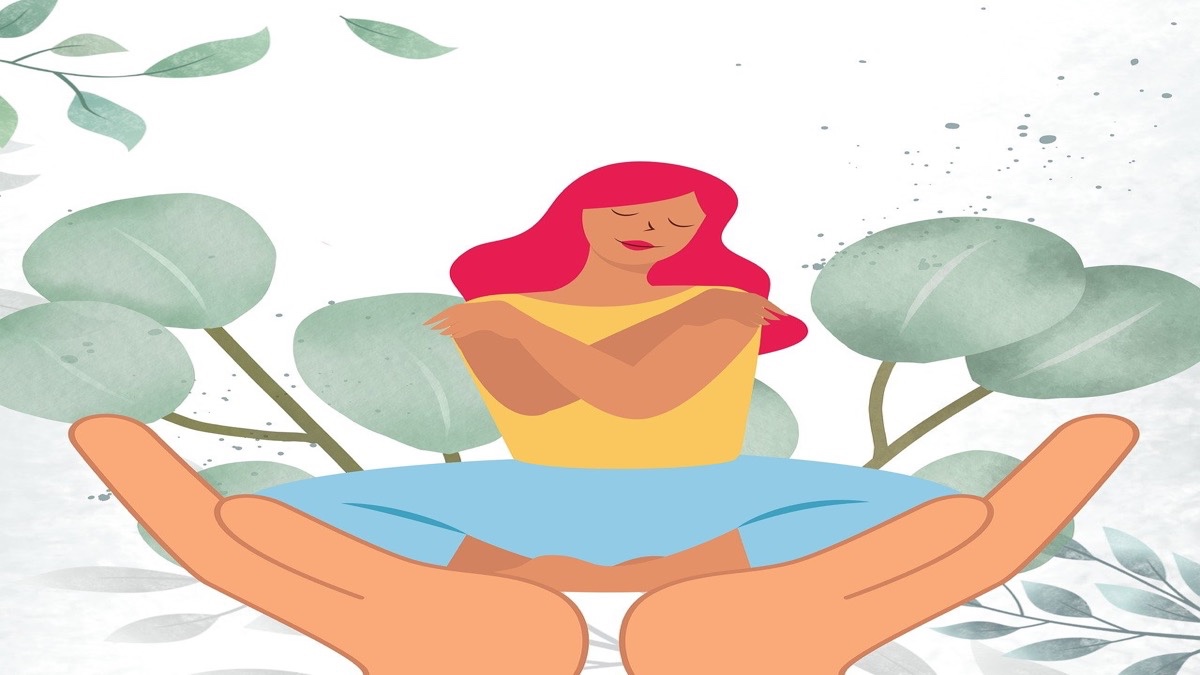
    In today’s world which constantly tells women they are not good enough, it is essential to embrace the power of self-love and transform yourself into a woman of high value. Self-love is not selfish, but the foundation for a fulfilling and successful life. It is about prioritizing your needs, understanding your worth, and setting healthy boundaries.

    As you embark on this journey of self-discovery and personal growth, it is important to remember that self-love is not a destination, but a lifelong practice. It starts with acknowledging your strengths, celebrating your wins, and forgiving yourself for your flaws. By nurturing a positive relationship with yourself, you can attract healthy relationships and opportunities that align with your true worth.

    Advertisements

    Let’s explore the power of self-love and provide practical tips to help you embrace it fully. From cultivating self-compassion to practicing self-care, we will guide you on the path to becoming a woman of high value. Remember, your journey to self-love is unique to you, so embrace it at your own pace and be patient with yourself. Let’s embark on this transformative journey together!

    Advertisements

    Understanding self-love and its importance

    Self-love is often misunderstood as selfishness, but in reality, it is the foundation for a fulfilling and successful life. It is about recognizing your worth, prioritizing your needs, and setting healthy boundaries. Self-love is not a destination; it is a lifelong practice that requires patience and self-compassion.

    To truly understand the power of self-love, it is important to recognize that it goes beyond superficial acts of self-care. It is about cultivating a deep sense of appreciation and acceptance for who you are, embracing your strengths, and forgiving yourself for your flaws. When you love yourself, you are more likely to attract healthy relationships and opportunities that align with your true worth.

    The benefits of practicing self-love

    Practicing self-love has numerous benefits that extend to all areas of your life. When you love yourself, you become more resilient in the face of challenges, have higher self-esteem, and experience increased overall well-being. Self-love also allows you to establish healthy boundaries, which in turn leads to healthier relationships with others.

    Advertisements

    Furthermore, when you prioritize self-love, you are more likely to engage in self-care activities that nourish your mind, body, and soul. This, in turn, leads to increased energy, improved physical health, and enhanced mental clarity. By taking care of yourself, you are better equipped to navigate the ups and downs of life and achieve your goals.

    Signs of low self-worth and how it affects your life

    Low self-worth can manifest in various ways and significantly impact your life. Some common signs of low self-worth include negative self-talk, constantly seeking validation from others, and comparing yourself to others. When you have low self-worth, you may find it challenging to set boundaries, prioritize your needs, or pursue your dreams.

    The effects of low self-worth can be far-reaching, affecting your relationships, career, and overall happiness. It can lead to toxic relationships, feelings of unworthiness, and a lack of fulfillment. Recognizing these signs and understanding their impact is the first step towards cultivating self-love and transforming your life.

    Steps to cultivate self-love and increase self-worth

    Cultivating self-love requires consistent effort and practice. Here are some practical steps you can take to increase your self-worth and embrace self-love fully:

    1. Practice self-compassion: Treat yourself with kindness and understanding, just as you would a dear friend. Acknowledge your mistakes and flaws without judgment, and offer yourself love and forgiveness.

    2. Identify and challenge negative beliefs: Take a closer look at the negative beliefs you hold about yourself and challenge their validity. Replace them with positive affirmations that reflect your true worth and potential.

    3. Engage in self-care: Prioritize activities that nourish your mind, body, and soul. This could include exercise, meditation, journaling, or engaging in hobbies that bring you joy. Make self-care a non-negotiable part of your routine.

    4. Set boundaries: Learn to say no to things that do not align with your values or drain your energy. Establishing boundaries is essential for protecting your mental and emotional well-being.

    5. Celebrate your wins: Acknowledge and celebrate your achievements, no matter how small. Recognize your strengths and the progress you have made on your self-love journey.

    Advertisements

    Surrounding yourself with supportive relationships

    Surrounding yourself with supportive relationships is instrumental in cultivating self-love. Seek out friends and loved ones who uplift and encourage you, rather than those who bring you down or undermine your self-worth. Surrounding yourself with positive influences can reinforce your journey towards self-love and provide a supportive network when facing challenges.

    Additionally, consider seeking professional support through therapy or coaching. A trained therapist or coach can provide guidance, tools, and insights to help you navigate any obstacles on your path to self-love.

    Advertisements

    Embracing self-improvement and personal growth

    Self-love is not about stagnation; it is about embracing personal growth and self-improvement. Continuously seek opportunities for learning and self-development. This could involve taking courses, reading books, attending workshops, or seeking out mentors who can help you expand your knowledge and skills.

    Remember, self-improvement is not about fixing yourself but rather about becoming the best version of yourself. Embrace the journey of growth and see it as an opportunity to further enhance your self-love and value.

    Overcoming challenges and setbacks in your self-love journey

    The journey to self-love is not always smooth sailing. There will be challenges and setbacks along the way. It is important to be patient and kind to yourself during these times. Instead of viewing challenges as failures, see them as opportunities for growth and learning.

    Advertisements

    When facing setbacks, remind yourself of your worth and the progress you have made. Surround yourself with a support system that can provide encouragement and guidance. Remember, setbacks do not define you; they are merely stepping stones on your path to becoming a woman of high value.

    Becoming a woman of high value – the transformative power of self-love

    As you fully embrace the power of self-love, that alone you will transform into a woman of high value. You will radiate confidence, attract healthy relationships, and create a life that aligns with your true worth. Embracing self-love is not a one-time accomplishment; it is an ongoing practice that will continue to shape and enrich your life.

    Advertisements

    Remember, you are deserving of love, respect, and all the wonderful experiences life has to offer. Embrace your uniqueness, celebrate your journey, and continue to prioritize self-love. You have the power to transform yourself into a woman of high value, and the world needs your light to shine brightly.

  • Toxic Relationship Habits People Think Are Normal

    Toxic Relationship Habits People Think Are Normal

    Image by mohamed_hassan from Pixabay

    Sometimes we enter relationships and have bad toxic habits that we think are normal when they’re not. Habits that are more than likely normalized by the new generations. I’m here to tell you about them and why they are unhealthy. I am guilty of some of these habits so we’re learning better habits together. Which is all the personal growth journey is about.

    Advertisements

    1) Blowing someone’s cell phone up

    It can be easy to get caught up in your emotions when you’re upset or sad, or when you want to talk to someone. Constantly calling and texting someone when you want to speak to them and they’re not answering is inappropriate. If they don’t answer the phone the first time, give them time to return the call. It shows a lack of respect and boundaries. Unless something is wrong and it’s an emergency, then the person might really have a life and is busy. On top of all that, it can come off a bit crazy.

    Advertisements

    2) Calling them out of their name

    Your partner calling you out of your name is one of the biggest signs of disrespect. Vulgarity in general shouldn’t be used to get a point across. It’s disrespectful and is completely out of line. If it’s not your name, a term of endearment, or a puppy name then it should not fly.

    3) Blocking/Unblocking

    The entire point of blocking someone is so that the person has no way to contact you. Intentionally blocking someone to make them upset is childlike behavior. Blocking and unblocking someone is not a healthy way to communicate when issues arise. If anything, it always makes the situation worse. If you really need to block someone, please do it logically and keep them blocked.

    Advertisements

    4) Bringing out the worst in you

    When you start doing things you wouldn’t normally do, it’s not a healthy situation. Let’s use revenge cheating as an example. If you’re the type of person who is totally against cheating, and you find yourself cheating just to get back at your partner. next thing you know, you’ve backtracked on your morals. This leads me to my next toxic relationship habit…

    5) Cheating

    Advertisements

    We all know that cheating is one of the most terrible acts you can commit, and there isn’t much left that needs to be said about it. Cheating will not only destroy the relationship, but it also destroys trust, character, self-esteem, and sense of self-worth. It shows lack of morals and self-control.

    6) Gaslighting

    According to Psychology Today, gaslighting is a form of manipulation and psychological control. Victims of gaslighting are deliberately and systematically fed false information that leads them to question what they know to be true, often about themselves. When someone is doing this to you, nine times out of ten, they won’t change. Leave.

    Advertisements

    7) No respect for boundaries

    When you have rules set for yourself and your partner does not respect your limitations or violates them then they simply do not care. You most likely won’t agree on a lot of things, which makes it hard to work with. Don’t ignore the signs. They will also not take you seriously, because you don’t even take your boundaries seriously.

    8) Not Defining the Relationship

    Advertisements

    Don’t ever settle. Once you’ve made it clear you know what you want, stand on it. When someone is hesitant about what their plans are with you, then that should be loud and clear. They may want something, just not with you. Situationships are a complete waste of time and energy and someone always gets hurt in the end.

    The only way for a situationship to work out successfully is if both parties agree on it and are aware of what it may come with. If someone is okay with “going with the flow”, there are normally other parts of their lives they have also been “going with the flow” with. There are no clear intentions with you or their life.

    Advertisements

    9) Inconsistency

    If someone is in and out of your life, take that as a sign, and leave them alone. Someone who has genuine intentions and concern for you and your feelings will provide clarity without confusion. It is up to you to decide whether to deal with the inconsistency or not.

    10) Ghosting during difficult times

    toxic relationship habits
    Image by PublicDomainPictures from Pixabay

    Ghosting someone is one of the most spineless and inconsiderate things you can do. If they don’t care enough to communicate with you, they are a coward. Everyone knows that communication is the key to a healthy relationship. It is immature to leave someone hanging, period. Never take someone ghosting you personally. It has everything to do with how they handle situations, and nothing to do with you.

    Advertisements

    11) Policing One’s Character

    For instance, your boyfriend telling you “Please don’t do ABC, my friends don’t like it when you do that.” is policing your character and is controlling. Controlling what your partner does (or wears), is one toxic habit most people don’t even believe is manipulating.

    12) Entitlement

    Entitlement is the belief that one is deserving of certain privileges and/or benefits without having to earn them. People who feel entitled tend to lack self-awareness, lack of empathy, a sense of victimhood, or a lack of understanding of privilege; and all of these things are toxic.

    Advertisements

    13) Not communicating one’s feelings

    This is something so many people have a hard time with. Once you open yourself up you may be scared that you’ll be taken advantage of when the truth is, that only happens with the wrong people. With the right person, communication goes a long way. Vulnerability is a characteristic that a true leader carries. Once you’ve mastered it, it’ll take you far. So many things could be fixed with a simple conversation.

  • Why Complaining is Such A Bad Habit?

    Why Complaining is Such A Bad Habit?

    Image by Mariana Anatoneag from Pixabay

    Did you know that when you complain, it automatically alters your brain for negativity, which blocks other elements like creativity and productivity? Sometimes it’s good to ask yourself, where do I play a part in my own happiness in my circumstances? I like to reason that complaining is not completely avoidable…but if you have the time to sit around and complain, then you can make the time to do something to change your situation as well.

    Why Do We Complain?

    Most people would argue that we complain when we are unsatisfied with something at the moment in our lives, but there are many definitions of complaining. To express dissatisfaction, annoyance, feelings of pain, or resentment. To express grief, discontent, displeasure, or to grumble. According to Habits for Wellbeing, in his book Complaint Free World, Will Bowen shares five reasons why we complain.

    1. To get attention
    2. Remove responsibility
    3. Inspire Envy
    4. Power
    5. Excuse poor performance

    When you read these reasons, do you see now how this causes a problem?

    Why Complaining is Unhealthy

    Being a chronic complainer is toxic to the brain. Again, not saying complaining is completely unavoidable, but cutting back on it and replacing it with gratitude can help the brain produce positive reinforcement instead of negativity. What you feed your brain is what it settles for. If you complain all the time, you’re more likely to be unhappy and negative. The time you spend complaining could be geared toward other productive things like finding solutions to the things that leave you unsatisfied. We relate complaining to negativity, which again kills productivity and creativity.

    What To Do With a Chronic Complainer

    Being in the company of a chronic complainer is toxic. It’s easy to absorb these types of people and behaviors. But instead of absorbing, try offering solutions. Set boundaries-let them know you’re open to talking and listening but will not engage in the repetitive dialogue that they are constantly trying to have. Encourage them to express gratitude instead.

    Thanks for reading!

  • 20 Bad Habits To Stop Doing Now To Improve Your Life

    20 Bad Habits To Stop Doing Now To Improve Your Life

    Everyone, including myself, tends to carry some type of bad habit with them. Something we do often that we know we shouldn’t be doing. Sometimes we might not even recognize our bad habits in the first place. Some of these bad habits are small and can be easily broken. While some, you may have some difficulty trying to let go. No one is perfect or alone in this, but the key to a better life is to stop anything unhealthy in the process.

    Image by Angela Yuriko Smith from Pixabay

    I think it’s safe to say that everyone has picked up a bad habit or two due to the COVID-19 lockdown. According to ValuePenguin, 61% of Americans are currently trying to break unhealthy pandemic habits. Which we can all agree was a stressful time for everyone. While everyone copes differently, some may pick up habits that are hard to get rid of. Below is a list of 20 bad habits to stop doing in 2022: 

    1. Sleeping in late

    Sleeping in is on the top of this of bad habits to stop doing because it can result in extreme laziness. Besides, waking up early and on time results in a more productive and longer-lasting day. You even have time to fit breakfast in, which is the most important meal of the day.

    Advertisements

    2. Complaining

    No one wants to be around someone who complains and nags all day. Complaining is a very negative thing to do because it focuses on what you don’t have, instead of celebrating what you do have. Complaining doesn’t offer a solution. If anything, it makes the situation more difficult to handle.

    3. Saying ‘yes’ to everything

    A lot of people won’t see this as a problem, but over-extending yourself can be very draining. While it is nice for your presence to be desired everywhere, it is impossible to be everywhere at once and not disappoint people. Most people understand this, which is why you should only yes if you want to, not out of guilt.

    4. Too much screen time

    Everyone knows this isn’t a necessarily healthy habit unless you’re being productive. According to research, excessive screentime strains your eyes, causes obesity, depression, anxiety, and chronic neck and back pain.

    5. Lying

    Everyone has done this on occasion but if it’s a habit of yours then you might have a problem. It says a lot about your character. Friedrich Nietzsche once said, “I’m not upset that you lied to me, I’m upset that from now on I can’t believe you.” That line alone tells you why lying is bad.

    6. Watching too much TV

    Spending too much free time watching television can take away productivity for more necessary things. Now, I’m not saying no TV at all, but limit the amount you watch, or you’ll never get anything done. No one likes a couch potato.

    7. Settling because you’re lonely

    Going back to anything or anyone that’s bad for you because you feel lonely is the definition of low self-esteem. In a previous post I wrote about living alone at 22-23 years old and one thing I touched on was loneliness being good for the soul. Once you have mastered the art of being alone, you won’t settle for just anyone or anything.

    8. Spending money you don’t have

    Spending money just because you have it is not setting you up for any type of financial success. If you plan out where your paycheck is going before you get it (other than bills) is like robbing yourself. Next thing you know, your money is gone because you got too excited for payday. Hold off on things you don’t need until you don’t have to anymore.

    Advertisements

    9. People pleasing

    Wondering whether or not people like you or approve of you or anything you do is also a form of low-self esteem. You’ll never be happy constantly seeking the approval of others. It causes anxiety and it makes you look bad. It’s easier said than done but the best thing to do is not care what anyone thinks. The only approval you should seek is your own. That is a huge key to a happy life.

    10. Smoking/Vaping/Doing drugs

    Everyone knows that cigarettes are cancer sticks but any type of smoke going into your lungs is ultimately never good for them. Vaping is becoming more and more popular but it has the same exact effects as cigarettes, we just can’t smell them. Doing drugs has its psychological and physical effects, depending on the drug of course. Either way, doing any of these things is like asking for a shorter life sentence.

    11. Watching too much pornography

    Now don’t get this one confused. We’re not talking about masturbating or having sex, we’re specifically talking about pornography. Many people start off watching porn at a very young age which can make it difficult to stop. Usually, when people get the urge to watch porn they have to act on it immediately. Most people even depend on it. Aside from all of the other things porn does, if you watch too much of it, it can lead to a very disappointing sex life.

    12. Not eating healthy

    Things like diabetes, high blood pressure, tooth decay, etc. all come from what you’re eating. A lot of people blame these things on genetics when in reality, is just an excuse to treat your body poorly. Your body is a temple so you should be very careful with what you put into it.

    13. Biting your nails/fiddling with your hair

    Biting your nail and fiddling with your hair are both habits formed due to an emotional disturbance. Your hands are filthy, especially the fingers. Therefore, biting your fingernails is like eating whatever germs are under your nails. Fiddling with your hair too much could easily lead to the loss of it right before your eyes.

    14. Doubting yourself

    The only person stopping you from being who you want to be is you. Doubt is very normal which makes it very hard to break. The point is to not let your insecurities be detrimental to your progress. Stopping yourself from getting somewhere before you even try is toxic to your own growth.

    15. Living in the past

    Living in the past is harmful because there is nothing you can do to change it. You are holding on to something that is already gone, which stops you from moving forward and living in the present. Don’t corrupt your memories by living in them forever. Let’s make new ones instead.

    16. Not drinking enough water

    Since our bodies are made up of about 70% water, it is important that we maintain those levels for a healthy body and brain functioning. Not drinking enough water can lead to many health problems such as low energy levels, moodiness, headaches, and many more. Therefore, it is suggested that we drink at least eight, 8oz glasses a day.

    17. Procrastinating

    Procrastination is a result of wasted time. Waiting until the very last minute to do something can leave you feeling very heavy or stressed when the time comes to finally do it. You’re probably not giving your best results because you’re cramming everything at once. Most people procrastinate out of fear, feeling overwhelmed, or even self-doubt. Once you are able to identify and break down the task in a way that works best for you, then you’ll be more productive.

    18. Using profanity

    If certain words are not allowed to be said around certain people or at a certain place, then they probably shouldn’t be said. To some people, using profanity can be offensive and to others and lacks common courtesy.

    19. Over-working yourself

    When the workday is over, it means you need to stop working (unless you are getting paid to do so). According to Business News Daily, instead of improving efficiency, after-hours emails hurt job performance. Working too much can also lead to stress and fatigue. Setting boundaries lessens the amount of stress on you and improves performance in the workplace.

    20. Gambling

    Gambling is considered harmless fun to some but too much of can also be considered an addiction. It’s a void, like drinking, smoking, eating unhealthy that most people run to. It can get worse if you let it get the best of you. With gambling, moderation is key.

    Advertisements
  • 10 Questions For A Personal Growth Challenge

    10 Questions For A Personal Growth Challenge

    Here is a list of ten questions I asked myself that you can also ask yourself if you feel you may need to heal or for your own personal development and growth. Write down your answers to each question and really reflect on how to move forward in your own way.

    1. Why am I allowing myself to be treated this way?

    The way you allow others to treat you has everything to do with your self-esteem, self-love, and self-respect; which is something I struggled with for a while. Without those three components, it can be hard to see yourself as somewhat valuable. If you don’t see yourself that way, then no one else will.

    2. What are my flaws?

    Being able to identify and analyze your flaws is an easy step to becoming the best version of yourself. It’s a plus when you can also identify the root of each flaw so that it makes it easier to get rid of. A flaw of mine is I tend to shut down and disappear because I want to avoid conflict. I also detach easily, to avoid getting hurt.

    Advertisements

    3. How do you see yourself?

    I said this before and I’m going to keep saying it. How you view yourself sets the tone for how others view you. When you see your worth, you’ll stop seeing people who don’t.

    4. What habits are hindering your growth?

    These habits include things that are slowing you down and can easily be avoided with discipline. For me, I stopped smoking, stopped carelessly drinking, limited my tv consumption, and giving so much of my time to certain people. Although there are many more, dropping these alone gave me so much progress.

    5. Are you living for others or for yourself?

    When I began making my own decisions that I thought were the best for me, is when I became happier. I stopped listening to my parents or anyone else who had an opinion on what they thought I should’ve been doing. Yes, some people have experience and wisdom but they don’t have the path to your life in their back pocket.

    6. Who are letting have access to you that shouldn’t?

    Cleansing your environment of toxic things and people is detrimental to personal growth. Individuals who aren’t on the same wavelength as you won’t contribute to you in any way. In fact, their ways might rub off on you. You should always spend more time with people who bring out the best in you. How can you grow with someone who has an unwillingness to elevate?

    7. Are you accepting the bare minimum?

    It wasn’t until recently that I realized that the red flags you ignore in the beginning are always the reason things end. When someone shows you who they are the first time, it’s literally who they are it’s not a façade. If you accept the bare minimum in the beginning, you will always get the bare minimum. Set a standard and stick to it, this is a part of knowing your worth. When you choose to settle for less than you know you deserve, then maybe less is what you truly deserve.

    Advertisements

    8. How far are you willing to let things get worse?

    How did we let it get this far? At some point you have to really sit down and tell yourself, I don’t want this for myself any longer. When it came to a certain situation, I let things get so bad I didn’t know who I was anymore. And from that point on, things didn’t go any farther.

    9. Does everyone deserve a second chance?

    This question is to your own discretion. Personally, I don’t see any harm in second chances depending on the situation of course. A third and fourth chance is just giving people the opportunity to play with you. I had to learn the hard way that nothing good comes out of chances that come in 3s or more. Giving people the benefit of the doubt is nice but stupid.

    10. How do you spend most of your free time?

    When I sat back and realized that most of my free time was spent doing the bad habits I talked about in question #4, I realized that I was never going to get where I needed to be. So I cut them out one by one and I don’t even feel like the same person most of the time. Someone once told me, that your future depends on your everyday habits.

  • The Significance Of Failure Vs The Fear Of Failure

    The Significance Of Failure Vs The Fear Of Failure

    Image by Adrian Malec from Pixabay

    The fear of failure is the number one reason people are unhappy with their lives, because they didn’t even give themselves the chance the fail. When you want to start a new journey in life, but you are so afraid it will fail so you don’t even pursue it. You are hindering yourself tremendously from any potential growth. After all, that is what growth is all about–learning from the mistakes you make and moving strategically going forward. The motto for She Informs is “With every experience…comes growth!”, and without experience and countless amounts of failure…I wouldn’t have learned so much about myself and probably would never have started my blog in the first place.

    Advertisements

    “Failure is not the opposite of success, it’s part of success. When you realize that, you free yourself from the fear of failure. In life, failure is inevitable. And the best leaders learn from their failure.”

    -Arianna Huffington

    We cannot let others cloud our judgment.

    I know a lot of people who tend to care too much about what others think and that is one of the reasons we are so scared to fail. Specifically, if you grew up in a “failure is not an option” household. It puts an overwhelming amount of pressure on you that in some circumstances, can lead to failure without you even knowing it. One thing I’ve realized is that if we continue to live our lives based on what other people think or how they tell us to live our lives, it usually results in unhappiness or maybe even depression.

    Sometimes when I’ve experienced failure, I used to feel embarrassed to tell anyone. It’s usually not until later that I’ve realized and had time to reflect on everything I’ve taken from it and use it as a learning lesson. When we see our failures as learning lessons, we will no longer have a problem with failure.

    “Your twenties will produce more failure than you’ll choose to remember. The key is: when you fail, don’t begin calling yourself a failure.”

    -Paul Agone

    According to Paul Agone, failing means you’re simply finding a more profound way to be successful. That sentence alone is the reason I chose to take control of my life no matter what anyone thinks. If I fail not only is it on me, but I take every setback as a learning lesson for the next step to success. It’s better to fail while trying than to not try at all. If someone tells you “Women can’t do that” or “Men aren’t supposed to do that”, prove them wrong! Even if things don’t always work out, people will look up to you and be inspired by you, because you did what they couldn’t.

    Check out my post on double standards, so we can kill the narrative!

    Advertisements

    Just because you fail at it, doesn’t mean it’s not for you.

    When something doesn’t go as planned, how do we decide to take that failure and move strategically? To keep going, keep attempting, or accept the fact that it was not meant for us and move on? For me, I like to look at the reason that caused the failure because I know something wasn’t meant for me. In some instances, distractions might come up that can lead to failure. In other instances, your heart just might not be in it, which can also lead to failure. It’s up to you to determine the root and act on it. If you feel you fail at something because you’re bad at it, work on perfecting it if it is something you so truly want. Cooking, sewing, hair, painting, singing, writing papers, whatever it is, there’s someone out there who’s well versed in it. Find what you want to do and perfect your craft. So far, I’ve learned that education is one of the most powerful tools, and in this day and age, it’s right at our fingertips. Failure is our biggest teacher.

    Letting the fear of failure stop you from your wildest dreams.

    My friend was recently telling me how she wanted to study abroad, in London. She also told me she didn’t even know if school was the right thing for her. My only advice was that you never truly know unless you try. If and when you try, if you fail, you cannot say you did not at least try because you never know where it might’ve taken you. After all, I think that is the ultimate failure; letting the potential of failure stop you from the things you truly want to pursue in life. We sometimes find ourselves so afraid of what “might” happen, that we never let ourselves find out what “will” happen. Sadly, I believe that is why most people do not chase their dreams or become who they truly want to be as a whole.

    Advertisements

    Sign up through email so you don’t miss a post!

  • Love or Trouble: Recognizing the Biggest Red Flags in a Guy

    Love or Trouble: Recognizing the Biggest Red Flags in a Guy

    Is he the one, or is he in trouble? When it comes to relationships, it’s not always easy to tell. But there are red flags that can help you see through the rose-colored glasses and recognize potential trouble in a guy. This article will delve into the biggest red flags to look out for.

    From controlling behavior to lack of respect, these warning signs can save you from heartache and disappointment. Whether you’re just starting to date someone or you’ve been in a relationship for a while, it’s crucial to be aware of these red flags. We’ll explore behaviors that indicate a lack of commitment, trustworthiness, and compatibility.

    Red flag #1: Lack of communication or inconsistent communication

    Poor communication, or lack thereof, and difficulty expressing and communicating issues is a personal issue that can further lead to frustration and unnecessary misunderstandings. Relationships with a lack of proper communication is a relationship that will not last long if not worked on.

    Red flag #2: Controlling behavior

    Attempts to control your actions, choices, or who you interact with are signs of possessiveness. If they try to isolate you from loved ones, it may be a sign of controlling behavior. When controlling behavior is not addressed, it can often become abusive.

    Red flag #3: Disrespectful or dismissive behavior towards you or others

    Disrespectful behavior towards you or others, including belittling, name-calling, or dismissive attitudes.

    Red flag #4: Jealousy or insecurity that leads to unhealthy behavior

    Excessive jealousy or possessive behavior can be signs of insecurity or trust issues.

    Red flag #5: Dishonesty or a lack of trustworthiness

    Repeated lies or inconsistencies in their stories may indicate a lack of trustworthiness.

    Red flag #6: Anger management issues or a tendency towards aggression

    Frequent outbursts of anger, violence, or unresolved anger issues can be dangerous.

    Red flag #7: Lack of accountability or taking responsibility for their actions

    A guy who doesn’t take accountability likely doesn’t think what he does is wrong, which can lead to resentment.

    Red flag #8: Lack of Financial Responsibility or reckless spending

    Reckless spending, financial secrecy, or manipulation related to money can be problematic.

    By recognizing these signs early on, you can make informed decisions about your love life and potentially save yourself from getting involved with someone who isn’t right for you. Love can be beautiful, but entering it with open eyes is important. By understanding the red flags in a guy, you can confidently navigate the dating world and increase your chances of finding a healthy and fulfilling relationship.

    Remember to trust your instincts and prioritize your safety and well-being in any relationship. If you notice several of these red flags, it may be wise to seek support or consider ending the relationship if necessary.

  • “Know Your Worth Then Add Tax” What Does This Phrase Mean?

    “Know Your Worth Then Add Tax” What Does This Phrase Mean?

    Know your worth, then add tax. What does this mean? It begins with confidence, self-respect, self-worth, and boundaries. These three simple components will help you dodge a lot of chaos in life. Let’s discuss these components and the steps to knowing your worth.

    Living in a scarcity mindset will make you settle for less than you deserve, be undervalued, and rationalize it. You must believe believe it first. You can’t add taxes when the product is free in the first place.

    1. Set the tone

    First impressions last forever. Keep that in mind the first time you introduce yourself to someone. That is when people begin to form the idea of what type of person you might be based on their assumptions. So it is essential to approach every situation with confidence, so even if you don’t believe so, it will come off that you are confident to that person. Even if you aren’t quite yet.

    When it comes to confidence, sometimes it’s okay to fake the funk. Becoming confident can be challenging at first, but that’s totally normal. Even if you must fake it at first, continue to do so until confidence becomes a part of who you are daily. Walk in every room as you own it.

    This is where respect is earned and determines how others will treat you. This does not mean you must prove your worth to anyone, but you must be it. Ensuring you are not treated otherwise is a part of trusting in yourself. Remember, you can be confident without being arrogant.

    This is important because it lets people know you mean business.

    know your worth then add tax
    Image by Sue Styles from Pixabay

    2. Act on your worth! Pride is one powerful tool

    Giving people the benefit of the doubt rarely works out in the long run. You tell yourself, “They’ll change,” or “They’re just going through a tough time right now”. No, they won’t. Waiting for someone to change is the biggest mistake you can make on the journey to knowing your worth. When someone shows you their true colors, BELIEVE THEM. If you say you are no longer dealing with something, keep that promise and do not look back. As a matter of fact, stand on it.

    Pro tip #1: When you first get to know someone, they’ll immediately show you their red flags.

    Demand your needs! You tell your supervisor you need requirements x, y, and z, or else you will find another job. They’ll meet them if they truly appreciate you and know you’re an asset to the company. The same thing goes for your relationships. If that person you have been dating is choosing not to give you what you need, then you let them know this will not work, etc. The one time you abandon those standards, it becomes a habit, and no one will take you seriously. Know your worth.

    Pro tip #2: Knowing your self-worth is very attractive to most and will help you avoid f*ckboys entirely.

    3. Settling only leads to poor judgment, have some dignity!

    Allowing yourself to settle will put you in a space of comfort that you’ll never be happy in. Yes, comfort can be good, but it is detrimental to the process of knowing your worth. You get used to being treated like crap and begin to think that it is normal. I would describe settling for less as “toxic comfortability.” When we hear toxic, we automatically know that it means something or a situation is not hazardous to our health. You know you deserve so much more when you have reached that point in your life.

    Image by Jesse Bridgewater from Pixabay

    Unfortunately, no one wants to be around someone who settles for less than what they deserve because people like that lack a sense of dignity. With that being said, they’ll also treat others less than what they deserve. If you feel like you are not worthy of certain things or a certain life, why should anyone else be worthy of anything? This is the exact mindset of people who don’t mind settling for whatever they can get. No one will value your opinion because they will see it unworthy, the same way you see yourself.

    4. You’ll regret not treating yourself better early on

    When others see how you view yourself, they will treat you as such, which can also lead to a continuous cycle of being taken advantage of. That should not be the reason you treat yourself as worthy, though. Once you have finally reached the point where you know your worth, you will look back on everything that you have put up with in the past. You may feel a little disappointed, but most importantly, you will feel the growth. Your life will also reflect it. That is a part of the growth process.

    Once you reach a point of disgust, that’s when you know things have changed. Almost like when you eat something and it tastes disgusting…you’ll probably never eat said food again. Surrounding yourself with people who will challenge you to improve is also an important part of the process. I almost 100% of the time want and expect a challenge from everyone around me. Everyone has to want growth.

    Know your worth, then add tax.

    Image by Michal Jarmoluk from Pixabay

    5. Have Non-Negotiables

    Non-negotiables are your boundaries that are NOT open for debate. I cannot stress the importance of setting boundaries for yourself. When people try to cross those boundaries, that is when your self-respect comes in. Figure out those non-negotiables that you will not tolerate and apply them to everyday life, then don’t look back. Know your worth, then add tax!

    If you haven’t already, subscribe and leave a comment!

    Published: August 26, 2021

    Edited: August 13, 2024