Tag: self love

  • Why Boundaries Make Relationships Better, Not Worse

    Why Boundaries Make Relationships Better, Not Worse

    If you’ve ever worried that setting boundaries will push someone away, you’re not alone. A lot of people associate boundaries with being “cold,” “difficult,” or “too much.” But the truth is the opposite: healthy boundaries improve relationships by protecting respect, emotional safety, and trust.

    Boundaries aren’t walls. They’re guidelines that help two people stay connected without losing themselves in the process.

    Advertisements

    What Are Boundaries in a Relationship?

    Boundaries are limits that define what you’re comfortable with and how you want to be treated. They can be emotional, physical, digital, financial, or even time-related.

    For example, boundaries can sound like:

    • “I need alone time after work before we talk.”
    • “I’m not okay with yelling during disagreements.”
    • “Please don’t share personal details about me with others.”
    • “I’m happy to help, but I can’t lend money right now.”

    A boundary isn’t about controlling another person. It’s about communicating your needs clearly and taking responsibility for protecting your peace.

    Why Boundaries Make Relationships Stronger

    Healthy relationships aren’t built on guessing games. They’re built on communication, mutual respect, and trust. Boundaries support all three.

    1. Boundaries Create Emotional Safety

    When both people understand what’s acceptable and what isn’t, the relationship feels more stable. You don’t have to walk on eggshells or constantly wonder where you stand.

    Emotional safety is what allows people to be vulnerable, honest, and fully themselves without fear of being punished for it.

    Advertisements

    2. Boundaries Reduce Resentment

    Resentment often comes from over-giving, over-extending, or staying silent about what you really need.

    Without boundaries, you might say “yes” when you really mean “no,” then feel irritated later. Over time, that turns into frustration and emotional distance.

    Boundaries prevent that by making space for truth early before it becomes bitterness.

    3. Boundaries Improve Communication

    A relationship can’t thrive if people are afraid to speak up. Boundaries encourage open conversations like:

    • what you need to feel loved
    • what stresses you out
    • what makes you feel disrespected
    • what helps you feel supported

    Instead of arguing about symptoms (“you never listen”), boundaries help you address the real issue (“I need you to stop interrupting me when I’m speaking”).

    4. Boundaries Help You Stay True to Yourself

    One of the biggest relationship mistakes people make is shrinking themselves to keep the peace.

    But healthy love doesn’t require self-abandonment. Boundaries allow you to stay connected to your values, needs, and identity while still showing up for your partner.

    When you feel like yourself in a relationship, you’re more confident, secure, and emotionally available.

    Advertisements

    5. Boundaries Build Trust Over Time

    Trust isn’t just about loyalty; it’s also about consistency.

    When someone respects your boundaries, it sends a clear message:
    “I care about your comfort, your feelings, and your well-being.”

    That builds trust. And when you respect someone else’s boundaries, you create the same safety for them.

    Why Some People Think Boundaries Make Relationships Worse

    Boundaries only feel “bad” to someone who benefits from you having none.

    If a person is used to:

    • unlimited access to your time
    • emotional labor with no balance
    • you always forgiving everything
    • you staying quiet to avoid conflict

    …then boundaries feel like rejection. But they’re not rejected. They’re protection.

    And in healthy relationships, protection is love.

    Boundaries Are Not the Same as Being Mean

    It’s possible to set boundaries with kindness. You don’t have to be harsh or aggressive for your boundary to be real.

    Here’s the difference:

    Healthy boundary:
    “I’m not comfortable being spoken to like that. Let’s take a break and talk when we’re calm.”

    Unhealthy behavior:
    “I’m done talking. You always ruin everything.” (shutdown + blame)

    A boundary is calm, clear, and focused on your needs—not punishing the other person.

    Examples of Healthy Limitations That Improve Relationships

    Here are a few real-life boundaries that often make relationships healthier:

    Time boundaries

    • “I can hang out Friday, but I need Saturday to recharge.”
    • “I can’t text all day while I’m working.”

    Emotional boundaries

    • “I’m here for you, but I can’t be your only support system.”
    • “I need you to respect my feelings even if you don’t agree.”
    Advertisements

    Conflict boundaries

    • “We can disagree, but we won’t insult each other.”
    • “If we start yelling, we pause and come back later.”

    Physical boundaries

    • “I don’t like being touched when I’m upset.”
    • “I need personal space sometimes.”

    Social media/digital boundaries

    • “Please don’t post me without asking.”
    • “I’m not comfortable with you reading my messages.”

    How to Set Boundaries Without Ruining the Relationship

    If you’re nervous about bringing up boundaries, keep it simple:

    1. Say what you need
    2. Say why it matters
    3. Say what you will do if it isn’t respected

    For example:
    “I need us to stop arguing late at night. I get overwhelmed, and it makes things worse. If we start fighting after 10, I’m going to pause the conversation, and we can revisit it tomorrow.”

    That’s not drama. That’s maturity.

    The Bottom Line: Boundaries Protect Love

    Boundaries don’t create distance; they create clarity.

    They help you love without losing yourself. They prevent resentment. They make communication easier. And they build trust because both people feel respected and safe.

    If a relationship is truly healthy, boundaries won’t break it.
    They’ll strengthen it.

    Because the right person won’t fear your boundaries.
    They’ll appreciate them.

    Advertisements
  • Forgiving Yourself for Past Mistakes: Why It’s a Must You Move On

    Forgiving Yourself for Past Mistakes: Why It’s a Must You Move On

    We often find ourselves stuck in the past, blaming ourselves for things we could have done differently. It’s hard to forget the mistakes we’ve once made, but it shouldn’t stop you from moving forward in life. To completely move on, you must practice forgiveness. Forgiveness is not something you do for the other person but for yourself.

    Forgiving without receiving an apology will make you feel better internally, and you won’t harbor feelings for years at a time. When you’re learning to forgive yourself, if you feel you need to apologize to yourself, then do so. But it is not always necessary.

    There are many steps to forgiveness, but in this article, we will mainly talk about forgiving ourselves. Inner work can be a difficult thing to do, which is why so many people avoid it. Most people have a hard time accepting the past mistakes they’ve made…avoiding the fact that it’s shaped them into the person they are today.

    Advertisements

    Emotional healing

    As women, we can be extremely emotional and sometimes irrational, even to ourselves. Making it harder to forgive. When we’ve done things that we later tend to regret, we’re so hard on ourselves sometimes that we identify too with our past mistakes. That doesn’t do anything for your emotional well-being. In order to properly tend to our emotions, we must be in tune with them.

    Advertisements

    You are no longer that person

    The older we get, the more we find ourselves reflecting on our past. Why did I let that happen? Or…I could have done that differently. Well, that’s a part of the healing and growing journey. The key is to not identify your past self but with your present, and future self.

    The new and improved you has learned from your mistakes. So it’s important to not associate yourself with the wrongdoings the old you were tangled up in. The number one indicator you’ve learned from your mistakes is the feeling of regret. When we regret something we’ve done, we know we will never do it again.

    Advertisements

    For the sake of moving on

    Letting go and forgiving the past improves your self-image. People tend to believe that forgiveness means that what happened was okay, which is not the case. The point of forgiveness is to heal and move on for your own good. Harboring on past mistakes, won’t erase them. Forgiveness helps you to finally be at peace with them.

    You can’t control the past

    Advertisements

    It would help if you stopped beating yourself up over something that happened in the past. Instead, control your future. Control what you can and let go of what you can’t. Whatever happened in the past has already happened. You have no control over that. The only thing you can control is everything else moving forward.

    From shame to self-love

    How you see yourself can reflect how other people see you. If you’re feeling shameful, you’ll believe you deserve less than you deserve, which is the opposite of self-love. It’s important to turn that self-hate into self-love. Know that regardless of whatever you’ve done in the past, you are more than deserving.

    The self-love journey is a life-changing process. Always replace negative thoughts with positive ones.

    Advertisements

    Seek professional help

    If you’re having a hard time, it’s always best to talk to someone. Seeking professional help can help you take the necessary steps to healing and moving on from self-shame. If you’re not able to seek professional help, confide in your close circle of trusted friends and family. Remember, support from others is the backbone of healing.

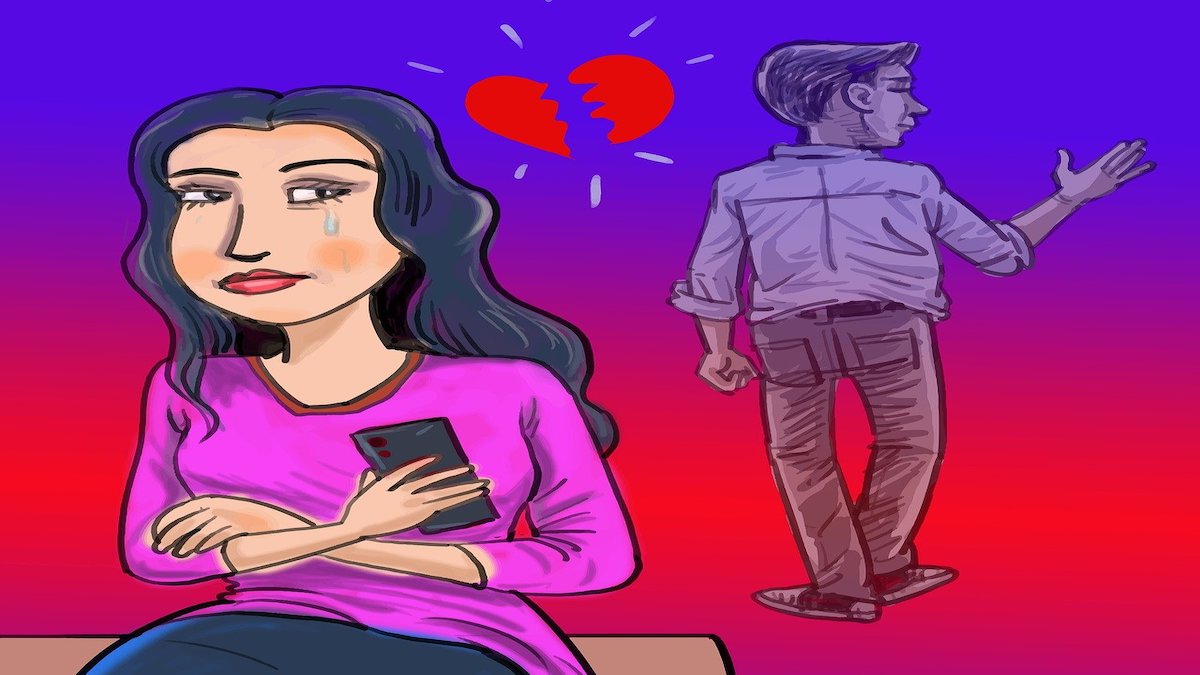
  • How to Practice Self-Love After A Breakup

    How to Practice Self-Love After A Breakup

    Practicing self-love after a breakup involves taking care of yourself emotionally, mentally, and physically. it allows you to process your feelings healthily. A sense of self-worth will remind you that your value is more than a relationship or its end. Practicing self-love after a breakup will help you build resilience and will cause you to strengthen your ability to cope with future challenges or relationship issues. Read more to find ways to practice self-love and how it will benefit you in the long run.

    1. Accept Your Feelings

    Allow yourself to grieve and feel the emotions. It’s okay to be sad or angry. When we accept the situation for what it is, not how we want it to be. It makes it easier to move on. It is okay and perfectly normal to feel any sense of hurt, sadness, regret, heartbreak, anger, resentment, etc. The key is to accept these emotions and process them correctly. That means not running to a vice to fill the void but processing them.

    2. Self-Care

    Prioritize your well-being by eating well, getting enough sleep, and engaging in activities that bring you joy. It is important to take some time to pour into yourself during this time. Remember, the time that you’re single is the time to heal and focus on becoming a better person. When it comes to self-care, this is a crucial step in practicing self-love after a breakup. People can tell whether you take self-care seriously, whether it be internally or externally.

    3. Limit Contact

    If possible, limit contact with your ex to give yourself space to heal and reflect on what went wrong and what you want moving forward. If you and your partner break up and you still talk to each other, then it isn’t a breakup. Continued contact can reopen wounds and prolong the healing process, making it harder to move on. No contact not only demonstrates self-respect by prioritizing your well-being and respecting your boundaries and needs but it respects the other person’s need for space and time to heal.

    4. Seek Support

    Surround yourself with supportive friends and family or consider going to therapy. Breakups can be very hard and can sometimes affect more than just yourself. It’s good to have people in your corner who support the decisions you make but will also be a shoulder to cry on. Having the support of your friends, family, and therapist can provide emotional support and comfort, validate your feelings, give you different perspectives on your situation, make you feel less alone, etc. Support accelerates the healing process by providing a safe space to express yourself.

    5. Reflect

    Use this time to reflect on the relationship, learn from it, and understand what you want and need moving forward. Reflect on what went wrong and what you could have done better. The reflection part of a breakup is what helps dive into your flaws and what you could do to become a better person. Not only does it help you figure out what you need to work on within yourself, but it also helps you realize what you do and don’t want in your person.

    6. Set Boundaries

    Establish healthy boundaries for yourself to protect your emotional well-being. Setting boundaries is a crucial step in moving on from the past and opening yourself up to new possibilities. It allows you to focus on your healing process without interference, minimizing distractions that may hinder your emotional recovery. Clear boundaries prevent misunderstandings and limit the likelihood of mixed signals. It also allows you to detach from the relationship.

    7. Forgive

    Make sure to forgive yourself and your ex-partner. No, you will not always get the apology you deserve because many people don’t know how to apologize when they’re wrong. But holding onto resentment can hinder your healing process. Forgiveness releases you from the emotional burden of resentment, anger, and any negative feelings that may be holding you back. It helps prevent the feeling of bitterness which may impact your future relationships. Healing helps you break emotional ties with the person, allowing you to move forward without being hindered by unresolved emotions.

    8. Focus on Your Personal Growth

    Use this period as an opportunity for personal growth and self-discovery. Find a routine or hobby that will promote your well-being and help you become the person you’ve always wanted to be outside of a relationship. Work on your relationship with God, friends, family, etc. What are the things you weren’t able to focus on while in the relationship that you now have time for? Do the things you’ve always wanted to do that you had to put on hold due to the relationship. Read books, listen to podcasts, go to therapy, journal, meditate, and take some courses. The options are endless when it comes to personal growth.

    9. Be Patient

    Healing takes time, so be patient and kind to yourself throughout the process. Healing looks different for everyone, but it is linear. Having patience in the healing process cultivates self-compassion–allowing you to be kinder and more forgiving toward yourself along the way. You’ll learn to love and respect yourself more while you put all the attention on yourself. Anything worth having doesn’t come easy. When you’re willing to be patient for the something the results are always worth the process. No, you won’t get over your ex right away. No, you won’t stop thinking about them right away. No, getting under someone else will not make the self-love grow quicker. All of these things take time.

    Remember, all these key elements are what it takes to practice and maintain your self-worth, self-determination, and self-love.

  • Double Standards And Gender Roles In Today’s Modern Society

    Double Standards And Gender Roles In Today’s Modern Society

    We’re in the 21st century and I think it’s safe to say that the gender role argument has many opposing sides. Women have begun to take the lead while most men can’t handle the pressure of being in charge anymore. Well, here’s my take on gender roles and the double standards that come with them.

    Women are incapable of making decisions because they’re naturally emotional beings.

    Decades ago, women had to fight for equal rights in the workforce because women were supposed to be housewives and housewives only. America has been run by men for decades. Today, women are in more leadership positions than ever before, making important decisions. Why was this something women had to fight for in the first place? Because men think women are emotional creatures who aren’t capable of making high-level decisions. We may as well be monkeys, right?

    In my opinion, women are better decision-makers because of their emotional capabilities. To make certain decisions, you must be able to separate your heart from your head. Which is something highly intelligent men and women are both capable of doing. After all, God chose women to create life and that alone says a lot.

    Men can’t show emotions because it makes them look weak.

    Most men may not agree because of how society may view them, but vulnerability is a great characteristic to possess. In fact, vulnerability makes you a great leader. It is a way to form trust and without trust, as a leader, you won’t have many followers. When a man shows vulnerability, it means he is emotionally intelligent. If you have a conversation with a man about vulnerability, he’ll talk about how he doesn’t show any emotion because he grew up being told that it was a form of weakness–that men should not be weak.

    When they conform to it, that is what we like to call toxic masculinity and it is sad that our parents have instilled this in them. Toxic masculinity affects everyone, whether they know it or not. Men should instead choose to heal from this ideology, so their children aren’t affected. They also need to hear that their feelings matter and that it is not healthy to hold them back. As an adult, you’re totally in control of how you choose to live your life despite how you were taught to live it. Men must learn the art of healing, and fully live the way they want to live regardless of how society views them. The idea is to let go of double standards and gender roles are what’s setting the double standards in place.

    Advertisements

    Men pay for the household, while Women take care of it.

    Now that we’re in 2021 (as I’m writing this, there are 24 days until 2022), I think it’s safe to say that my generation has started putting an end to gender role stereotypes. Women are making their own money which doesn’t leave much room for a man to be in charge. Now, there is nothing wrong with this but a lot of people that follow this structure, don’t follow the bible. According to the bible, the husband should fulfill his marital duty to his wife, and likewise the wife to her husband. My generation no longer conforms to the roles that were set for them. According to Glocalilties.com‘s Meet Gen z article, gender role flexibility could mean that boys are allowed to be emotional and girls are allowed to be strong, breaking ‘traditional’ role patterns–redefining gender roles and challenging patriarchy.

    Recently, a picture of a little boy with a kitchen set went viral. It caused some outrage because most believe the notion that only women belong in the kitchen. What most people don’t realize is that cooking, cleaning, and household chores are basic life skills. What if you don’t have a woman in your life for a certain amount of time? You won’t cook, clean your house, or do your laundry? Life skills should not belong to a specific gender. If my son had a dream of becoming a chef and wanted a kitchen set, I’d buy him a kitchen set. At least he’ll have a dream and that’s all that matters. It is only your duty to support that dream, not take it away from him.

    Sexual liberation for men and women isn’t the same thing.

    According to the APA Dictionary of Psychology, sexual liberation is defined as “the state of being free from sexual mores or inhibitions that are considered restrictive.” No specific gender is pointed at in that definition. If a woman is sexually liberated, she’s frowned upon. If a man is sexually liberated, he is praised. I do believe that you have to have a certain mindset to be a sexually liberated woman. You have to be confident and not have a care in the world what anyone thinks. Not everyone is capable of this. Some people see it as freedom; to be able to express themselves through physical contact with another person.

    There’s this myth that women can’t have casual sex because they’re not able to separate their feelings from the situation. Although this can depend on the person, I’m here to tell you that men can’t do it either. If you’re a human with feelings it can be hard for anyone. People need to throw away the myth that men can easily deceive their feelings without remorse when they hurt just like any human would. Is it a bad thing to want to satisfy your needs without any attachment? A friend once told me that individuals who can achieve a casual sexationship are empty souls, some say they are mentally strong and free-willing. Perceptions and experiences are key factors in these double standards and gender roles.