Category: Self-Help

  • Breaking Free: A Woman’s Guide to Unlearning Toxic Behaviors

    Breaking Free: A Woman’s Guide to Unlearning Toxic Behaviors

    In a world that often places huge expectations on women, it’s easy to develop patterns of behavior that might seem protective or necessary but ultimately hold us back from living authentically and joyfully. Whether these behaviors were modeled to us, taught as survival mechanisms, or developed as coping strategies, recognizing and unlearning them is a powerful step toward personal freedom.

    What toxic patterns cost you

    Many women navigate life carrying behavioral patterns that silently drain their energy, damage relationships, and limit their potential. These aren’t character flaws—they’re learned responses that once served a purpose but may now be causing more harm than good.

    Research from the American Psychological Association suggests that women are particularly vulnerable to internalizing certain behaviors due to societal expectations and gendered upbringing. The good news? With awareness and intention, these patterns can be unlearned.

    Advertisements

    5 Common Toxic Behaviors Women Can Unlearn

    1. People-Pleasing at Your Own Expense

    Saying “yes” when you want to say “no,” prioritizing others’ comfort over your own needs, and feeling responsible for everyone else’s feelings.

    The Unlearning Toxic Behaviors Process:

    • Start with small boundaries in low-risk situations
    • Practice pausing before responding to requests
    • Create a script for declining invitations or requests
    • Remind yourself that others’ disappointment is not your responsibility to fix

    “Setting boundaries isn’t selfish—it’s necessary for authentic relationships,” says Dr. Marisa Franco, psychologist and friendship expert. “When we constantly please others at our expense, we build resentment that ultimately damages the very relationships we’re trying to preserve.”

    2. Negative Self-Talk and Harsh Self-Criticism

    You may hold yourself to impossible standards, speak to yourself in ways you’d never speak to a friend, and fixate on perceived flaws or mistakes.

    The Unlearning Process:

    • Notice your inner discussion without judgment
    • Question the truth of negative statements (“Would I say this to someone I love?”)
    • Replace criticism with compassionate accountability
    • Practice daily self-compassion exercises

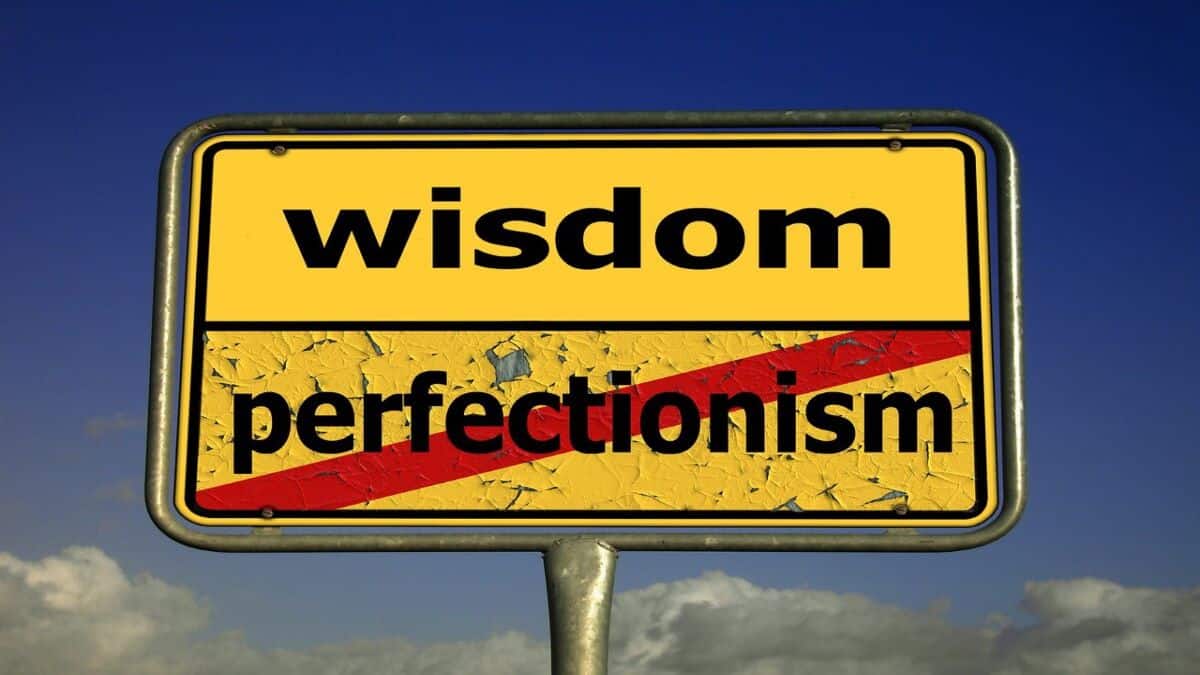
    Studies show that women tend to be more self-critical than men, particularly about appearance and achievement. Breaking this cycle begins with recognizing that perfectionism isn’t the path to excellence—it’s often the barrier.

    Advertisements

    3. Apologizing for Existing

    Saying “sorry” for things that aren’t your fault, apologizing before expressing an opinion, or feeling the need to make yourself smaller in spaces.

    The Unlearning Process:

    • Count your “sorrys” for one day to build awareness
    • Replace unnecessary apologies with gratitude or straightforward statements
    • Remind yourself of your right to exist entirely in every room

    “When women constantly apologize for things that don’t warrant apology, we reinforce the belief that our presence requires justification,” notes social psychologist Dr. Maja Djikic. “This subtle habit shapes how others perceive us and, more importantly, how we perceive ourselves.”

    4. Comparison and Competition with Other Women

    Viewing other women as threats rather than allies, measuring your worth against others’ achievements, and feeling diminished by others’ success.

    The Unlearning Process:

    • Actively celebrate other women’s victories
    • Seek collaborative rather than competitive relationships
    • Identify your unique strengths and contributions
    • Surround yourself with women who lift each other up

    The scarcity mindset—believing there’s only so much success, recognition, or love to go around—keeps women isolated. In reality, when we support each other, we all rise.

    5. Dismissing Your Intuition

    Ignoring gut feelings, doubting your perceptions, and prioritizing external validation over internal knowing.

    The Unlearning Process:

    • Practice checking in with your body’s signals
    • Make small decisions based on inner guidance
    • Question whose voice you’re listening to when you override your instincts

    Your intuition is a powerful ability formed from a subconscious pattern, recognition, and embodied wisdom. Learning to trust it again is a revolutionary act of self-reclamation. Ignoring your intuition shows you don’t trust yourself.

    Creating your unlearning practice

    Unlearning is not a one-time event but a continuous practice of awareness and intentional change. Here’s how to create sustainable transformation:

    1. Start with compassionate awareness. Notice patterns without judgment.
    2. Identify the original purpose these behaviors served—they developed for a reason.
    3. Create alternative responses that honor both your needs and those of others.
    4. Find community support with women on similar journeys.
    5. Celebrate small shifts rather than expecting overnight transformation.

    Remember that unlearning toxic patterns isn’t about becoming perfect—it’s about creating space for authenticity, joy, and connection. Each small step toward healthier patterns ripples outward, affecting not just your life but the lives of women around you.

    When to seek additional support

    While personal reflection and practice are powerful tools for change, sometimes professional support can accelerate healing. Consider working with a therapist or coach if:

    • You find yourself returning to the same patterns despite your best efforts
    • The behaviors are connected to past trauma
    • You’re experiencing significant anxiety or depression alongside these patterns
    • You want structured support in your unlearning journey

    Moving forward from unlearning to new possibilities

    You create space for new possibilities on your journey to unlearning toxic behaviors that no longer serve you. Many women report feeling lighter, more authentic, and more connected after addressing even one toxic pattern.

    “The most beautiful thing about unlearning,” says author and women’s advocate Glennon Doyle, “is discovering who you are beneath the layers of who you were taught to be.”

    Your journey of unlearning isn’t just personal—it’s political. Each woman who reclaims her authentic self helps create a world where other women can do the same. As you break free from limiting patterns, you become a living invitation for others to do the same.

    What toxic pattern will you begin unlearning today?

  • A Step-by-Step Guide to Overcoming Imposter Syndrome

    A Step-by-Step Guide to Overcoming Imposter Syndrome

    Imposter syndrome—that persistent feeling of being a fraud despite evidence of success—affects an estimated 70% of people at some point in their careers. From high-achieving professionals to creative artists, many struggle with the nagging suspicion that they don’t deserve their accomplishments. This comprehensive guide offers practical steps to recognize, understand, and overcome imposter syndrome.

    Understanding the Root Causes

    Advertisements

    Imposter syndrome often stems from a combination of factors: perfectionism, family dynamics, societal pressures, and professional environments. High achievers particularly struggle with this phenomenon, as their success creates more opportunities for self-doubt. Understanding that these feelings are common and identifiable is the first step toward overcoming them.

    Step 1: Reframe Your Thoughts

    Challenge any and all negative self-talk by examining the facts. When you catch yourself thinking, “I just got lucky,” ask yourself:

    • What skills did I use to succeed?
    • What preparation led to this outcome?
    • How did my experience contribute?

    Replace self-diminishing thoughts with more accurate assessments. Instead of “I fooled them,” try “They recognized my capabilities based on my demonstrated skills.” If you put in the work to get where you are and achieve what you’ve achieved, then you are the reason why. If anyone is good enough, it is most definitely you.

    Step 2: Embrace the Journey to Learn

    Accept that no one knows everything. Even experts continuously learn and grow. Shift your perspective from “I should know everything” to “I’m constantly developing my expertise.” This mindset allows you to view challenges as growth opportunities rather than exposures of inadequacy. The more you continue to learn, the more you continue to grow.

    Even the most successful people suffer from imposter syndrome. Tennis star Serena Williams is one of them. She often talks about how it was difficult not to follow in her older sister’s [Venus] footsteps and become her own person. It sounds absurd, but it’s almost refreshing to know that even the biggest of stars deal with real-life struggles.

    Advertisements

    Step 3: Build a Support Network

    Develop relationships with friends, mentors, and peers who can provide perspective and validation. Share your feelings with trusted colleagues—you’ll likely discover they’ve experienced similar doubts. Creating a community where vulnerability is welcomed helps normalize these experiences and provides mutual support.

    Community plays such a crucial part in life as a whole. We must be surrounded by people who will support us, encourage us, push us, and simply do life together. We cannot do life on our own, and if you struggle with imposter syndrome, it can be easy to get in your head with no one around you to challenge your thoughts.

    Step 4: Define Realistic Success

    Set reasonable standards for yourself. Perfectionism often fuels imposter syndrome. Consider:

    • What would you expect from a colleague in your position?
    • Are you holding yourself to impossible standards?
    • How can you measure success more objectively?

    Adjust your expectations to align with realistic professional standards rather than unattainable dreams. I am not saying you should lower your standards, but to be more realistic with your approach. You know what you are capable of. Do not set goals based on someone else’s accomplishments, but rather your own pace of getting where you want to be.

    Step 5: Own Your Expertise

    Practice accepting praise and recognition gracefully. Instead of deflecting compliments, respond with a simple “thank you.” When discussing your work, use confident language that acknowledges your role in success. Replace “I got lucky” with “I worked hard to achieve this.”

    Diminishing yourself and your accomplishments indicates low self-esteem. If you can’t recognize your own potential, why would someone else? It can be challenging to prove yourself when you don’t challenge your own worthiness.

    Step 6: Take Action Despite Doubt

    Don’t wait for confidence to forego action. Develop a habit of moving forward despite uncertainty. Start small:

    • Speak up in meetings even if your contribution isn’t perfect
    • Apply for opportunities even if you don’t meet all the criteria
    • Share your knowledge even as you continue learning

    Each time you act despite imposter feelings, you build strong evidence against your self-doubt.

    Advertisements

    Step 7: Develop a Growth Mindset

    Focus on the process of learning and improving rather than feeling like you’re proving your worth. When facing challenges, ask yourself:

    • What can I learn from this?
    • How will this experience help me grow?
    • What skills am I developing?

    This perspective shifts focus from fear of failure to appreciation of growth opportunities. When situations don’t turn out the way you want them to, know that it is normal and has nothing to do with your capabilities or worthiness. What’s meant for you is what will happen.

    Creating Lasting Change

    Overcoming imposter syndrome is an ongoing process rather than a destination. Progress often follows a pattern of two steps forward and one step back. Be patient with yourself as you implement these strategies. Remember that feeling like an imposter doesn’t make you one—it often signals that you’re pushing beyond your comfort zone and growing professionally.

    Incorporate these steps gradually, focusing on one or two steps at a time. As you build confidence and resilience, you’ll find imposter feelings becoming less frequent and less intense. While these doubts may occasionally resurface, particularly during new challenges or transitions, you’ll have developed the tools to recognize and address them effectively.

    Advertisements
  • The Ultimate Personal Development Guide for Women

    The Ultimate Personal Development Guide for Women

    Personal development is a transformative journey of self-discovery, growth, and empowerment specifically tailored for women navigating the complexities of modern life. This guide will provide a holistic approach to personal development that addresses every aspect of your potential.

    Understanding Personal Development for Women

    Advertisements

    What is Personal Development?

    Personal development is a lifelong process of self-improvement and self-awareness that helps women realize their full potential. It’s about becoming the best version of yourself—mentally, emotionally, professionally, and personally. For women, this journey is particularly powerful, as it helps break through societal limitations, overcome self-doubt, and create the life you truly desire.

    Key Statistics:

    • 85% of women report increased confidence through personal development.
    • Women who invest in personal growth are 3x more likely to achieve career goals.

    Key Areas of Personal Development

    1. Mindset Transformation

    One of the core components of transforming your mindset includes identifying limiting beliefs. Identify and eliminate any negative thoughts you have about yourself that are stopping you from growing.

    Developing a growth mindset is what will keep you afloat and motivated. Know that there are areas where you wish to grow, and begin planning how you will grow in those areas. Overcoming mental barriers can be challenging at first; I always recommend a mental health professional to help you properly navigate those mental barriers.

    A question that you should always ask yourself…Is your mental health a constant battle for you?

    Practical strategies for mindset transformation :

    • Daily positive affirmations
    • Journaling for self-reflection
    • Challenging negative thought patterns
    • Embracing failure as a learning opportunity
    1. Emotional Intelligence

    Emotional intelligence is the ability to understand, regulate, and express one’s emotions/feelings. Emotional Intelligence also includes being able to understand and respond to other people’s feelings and emotions. That includes knowing how to effectively have tough conversations in a healthy manner.

    Critical Skills:

    • Emotional self-awareness: Making the conscious decision to understand and know your own emotions and other’s emotions as well.
    • Effective communication: Knowing how to communicate your emotions effectively and in a healthy manner.
    • Empathy development: The ability to imagine yourself in someone else’s situation.
    • Boundary setting: Establishing guidelines for how you want to be treated and how you treat others in return.

    Here are some techniques you can take towards your emotional development:

    • Practice active listening
    • Develop meditation practices
    • Learn conflict-resolution skills
    • Seek constructive feedback
    Advertisements
    1. Career Development

    Deciding to advance your career comes with many perks, including increased job satisfaction, financial growth, better career opportunities, and greater motivation. Advancing your career can be challenging when resources are limited, but it is important to overcome those barriers and utilize resources that ARE available. According to National Society of Leadership and Success, career development involves assessing where you are currently in your professional life, being intentional about your growth will save you time in the long run.

    Strategic Focus Areas:

    • Skill enhancement: What skills could I develop to advance my career?
    • Professional networking: Connecting with people who can help you get where you want to be.
    • Career planning: What necessary steps should I take to get where I want to be career-wise?
    • Confidence building: Do I have enough confidence to get where I want to be?
    • Negotiation mastery: If I feel I’m being lowballed, can I properly negotiate what I feel I’m worth?

    What are some steps you can take to implement these focus areas?

    Continuous learning is a great way to start. Research and read more about your desired career field. Find out what exactly you need to make your career goals possible. Here are some things to consider when advancing your career:

    • Professional certifications
    • Mentorship programs
    • Networking strategies
    • Goal-oriented career planning
    Advertisements
    1. Financial Empowerment

    Having complete control of your financial well-being is important for your personal development as a woman. Financial empowerment includes the knowledge, skills, and confidence to make the necessary money choices for personal and financial success.

    Not everyone comes from a background of wealth or financial literacy. Whether we want to believe it or not, your financial well-being can make or break the way you live. From what you’re able to afford, to where you live, what you wear, etc. Its critical to make sure you set yourself up so you don’t have to live a life of struggle.

    Here are some wealth-building strategies for long-term financial success:

    • Comprehensive budgeting
    • Emergency fund creation
    • Financial education
    • Investing
    • Multiple streams of income
    1. Holistic Wellness

    I would argue that this is the most important aspect of personal development that for any woman. Taking care of yourself physically, mentally, spiritually, and financially. Every aspect of your life must be intentional and taken care of, so that you can be your best self.

    • Physical health
    • Mental well-being
    • Stress management
    • Nutrition
    • Exercise
    • Sleep optimization

    Overcoming Common Challenges in Women’s Personal Development

    Advertisements

    Its important to firstly, identify the possible challenges that may come!

    General Obstacles:

    • Imposter syndrome: The feeling of inadequacy, self-doubt, and diminishing one’s own achievements amongst high-achieving individuals.
    • Work-life balance struggles: Not being able to juggle the everyday responsibilities with work and life.
    • Societal expectations: Trying to live up to the expectations society has placed on women or living your life according to your own expectations.
    • Self-doubt: Similar to imposter syndrome, self-doubt is the lack of confidence one has in themselves.
    • Competing priorities: Not being able to prioritize the many important things in your life.

    Creating Your Personalized Personal Development Plan

    Comprehensive Planning Framework:

    1. Conduct thorough self-assessment
    2. Establish clear, measurable, realistic goals
    3. Develop actionable implementation steps
    4. Create a realistic timeline
    5. Regular progress evaluation
    6. Continuous adaptation
    Advertisements

    Recommended Resources

    • Meditation
    • Online learning platforms
    • Personal development podcasts
    • Journaling
    • Skill-building websites
    • Therapy

    Personal development is a continuous, dynamic journey unique to each woman. Embrace patience, maintain curiosity, and stay committed to your growth. You possess the extraordinary power to design and create the life you envision when you decide to become a better woman.

  • Common Insecurities in Women and Overcoming Them

    Common Insecurities in Women and Overcoming Them

    There’s a common misconception that an insecure woman is a woman who has difficulty loving herself. This misconception implies that insecurities and love can’t co-exist. There are many common insecurities most women experience, though everyone is unique; not all women reading this will feel the same way.

    Insecurities are a part of human nature, but societal pressures and personal experiences often magnify them, particularly for women. These insecurities range from physical appearance to career success, and while they vary from person to person, they usually stem from unrealistic expectations established by culture, media, or personal environments.

    Fortunately, these insecurities can be addressed and overcome through self-awareness, a change in habits, and a supportive community. Here, we’ll explore some of the most common insecurities among women and strategies for eliminating them.

    Advertisements

    Body Image

    Concerns about weight, body shape, and specific features are more common than most women think. Social media and beauty standards often amplify these feelings. Women can often be bombarded with unrealistic beauty standards and different opinions on what other people may deem as “beautiful.”

    With outlets like TV, Social Media, Magazines, and Models/Influencers, it can be easy to compare yourself to what’s being portrayed. It’s important to remember that only some things you see are reality.

    • Practice Body Positivity: Focus on appreciating your body for what it can do rather than how it looks. Love your body, don’t speak bad about it, and remind yourself that every body is unique.
    • Limit Social Media Exposure: Follow accounts that look like you and promote body positivity and diversity. It’s important to take breaks from platforms that make you feel inadequate.

    Skin and Complexion

    Acne, scars, wrinkles, and general skin appearance can cause a lot of self-consciousness. Many women feel pressure to have flawless, smooth skin. Many women feel insecure about their skin, whether it’s due to acne, scars, wrinkles, or hyperpigmentation. The beauty industry often capitalizes on these insecurities, promoting products that promise flawless skin, which can lead to a cycle of constant self-scrutiny.

    • Focus on Skincare, Not Perfection: Adopt a skincare routine prioritizing health and hydration over perfection. Use products specifically suited to your skin type, and seek professional advice if needed. Remember that skin texture and imperfections are normal. Redefining beauty standards within your mind can help you feel more comfortable in your skin.

    Hair

    This includes insecurities about hair texture, thickness, or how “tame” it. Natural hair, curls, or frizz can be a sensitive area for those trying to embrace their natural look. Many feel pressured to conform to societal norms that favor straight or sleek hair. This can lead to feelings of inadequacy or frustration when their natural hair doesn’t “behave” as expected. Most women also struggle with not being able to do their hair. Relying on someone else to take care of your hair can cause a rut when they’re not available.

    • Embrace Your Natural Hair: Celebrate your hair’s uniqueness. Learn about proper care techniques for your hair type and experiment with styles that make you feel confident.
    • Find a Supportive Community: Find online forums or a YouTube channel focusing on natural hair. Sharing experiences and tips to help you learn to take care of your hair.
    Advertisements

    Aging

    Wrinkles, gray hair, and other signs of aging can be a big concern, especially in cultures that place high value on youthfulness. Society’s fixation on youthfulness makes it difficult for many to embrace aging as a natural and beautiful process.

    • Shift Your Perspective: Begin to see aging as a sign of life experience and wisdom. Surround yourself with positive people who embrace aging gracefully.
    • Take Care of Your Health: Focus on maintaining physical and mental health through regular exercise, a balanced diet, and mindfulness practices.

    Career and Ambition

    Many women feel pressure to achieve career goals while also maintaining balance in their personal lives, and they may worry about being seen as too ambitious or not ambitious enough. Balancing career goals with personal responsibilities can feel overwhelming, leading to feelings of inadequacy.

    Women often feel insecure about their professional lives, fearing they are not achieving enough or being judged for their ambition—or lack thereof. Balancing career goals with personal responsibilities can feel overwhelming, leading to feelings of imbalance.

    • Set Realistic Goals: Break larger ambitions into smaller, actionable steps. Celebrate progress rather than fixating on the end goal.
    • Seek Mentorship: Find mentors or role models who can provide guidance and perspective. They can help you navigate challenges and offer reassurance.
    • Practice Self-Compassion: Recognize that success looks different for everyone. Avoid comparing your journey to others.

    Relationship Status

    Whether single, dating or in a relationship, women often feel pressured by society around romantic and family milestones. Many feel insecure about not meeting traditional milestones like marriage or having children by a certain age. If we haven’t accomplished something by a certain age, we begin to feel behind in life or, often, undeserving.

    • Redefine Success in Relationships: Focus on what makes you happy rather than societal expectations. Healthy, fulfilling relationships—romantic or otherwise—are more important than meeting unrealistic timelines.
    • Strengthen Other Connections: Build strong friendships and familial bonds. These relationships can provide emotional support and help reduce feelings of inadequacy.
    • Focus on Self-Love: Cultivate a positive relationship with yourself. Engage in activities that bring you joy and fulfillment.

    Financial Independence

    Financial insecurity is a significant concern for many women, especially those navigating careers, family responsibilities, and personal goals. The pressure to be financially independent or to depend on someone to take care of you can lead to stress and self-doubt. Everyone feels like they know what’s best for you when in reality, you’re the only one that truly knows.

    • Educate Yourself on Finances: Learn about budgeting, saving, and investing. Knowledge is empowering and can help you feel more in control of your financial situation.
    • Set Financial Goals: Create short- and long-term goals that align with your lifestyle. Track progress and adjust as needed.
    • Seek Support: Don’t hesitate to consult financial advisors or mentors for guidance.
    Advertisements

    Insecurities are universal, and discussing or sharing experiences can really help alleviate the sense of isolation these feelings sometimes bring.

  • Throw A Vision Board Party That Will Turn Your Goals Into Reality

    Throw A Vision Board Party That Will Turn Your Goals Into Reality

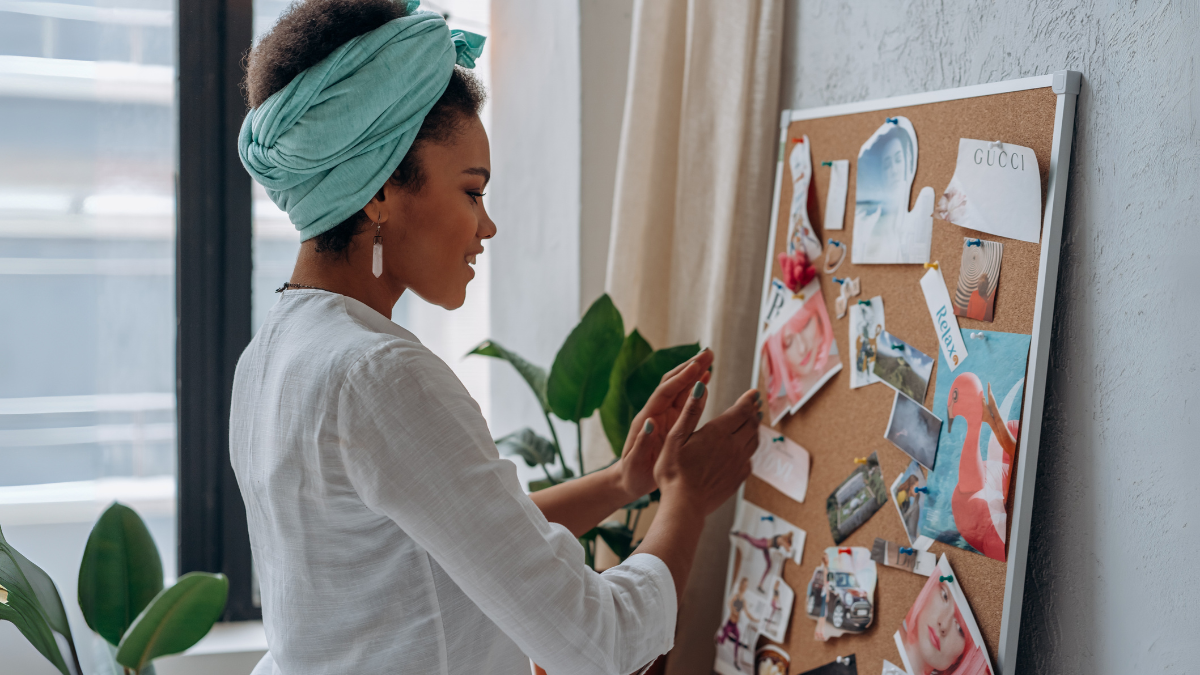
    Vision boards have become one of the many popular forms of goal-setting through manifestation. A vision board party is the perfect way to bring your goals to life with people who have the same mindset as you.

    What is a vision board? Psychology Today defines a Vision Board as a collage of images representing goals and dreams. It can include cut-out pictures from magazines and words that help inspire you to manifest your dreams and get where you want to go.

    Vision boards can include images from magazines, drawings, inspirational words, photographs, or decorations.

    Advertisements

    What should you have at your vision board party?

    The goal is to be as creative as possible with your vision board. Prepare various materials for your guests to construct their vision boards (e.g., poster board or poster paper, magazines, construction paper, markers, colored pencils, glue, scissors, tape, stamps, ribbon, and stickers). The most important ingredients to make a good vision board include:

    • Poster Boards
    • Newspapers
    • Magazine
    • Glue
    • Scissors
    • Print-outs/Stickers
    Advertisements

    Provide your guests with instructions on how to create their vision boards. Clear instructions can help guests understand the purpose of the activity (e.g., to create a metaphorical representation of their future selves).

    You can also provide a wide variety of print-outs, stickers, pictures of inspiration, or quotes for them to put on their vision board.

    Invite them to create their vision boards in unique ways that represent who they are. Consider showing students multiple examples of vision boards so they can see a variety of ways to approach their boards. These examples may come from an internet image search or previous vision boards of yours or people you know.

    And if you’re a great host, you’ll provide food and/or snacks and refreshments.

    Hold each other accountable

    Don’t just make vision boards together, hold each other accountable to completing every goal. We can make vision boards, but that doesn’t mean we’re doing what we need to accomplish these goals.

    Check-in with everyone occasionally and ask how their coming along with their goals, and if their not making any movement, push and motivate them to do so.

    Advertisements

    Challenge your guests

    Ask guests to complete a reflection before starting their vision boards. Do this through individual journaling or discussion. This challenges them to put more thought and intention into their vision board. This can help them apply their past learning to their vision boards in a way that aligns with their future.

    Give your guests time and support to create their vision boards. Consider asking guests to clarify
    questions about their boards that require them to think about their goals and their futures.

    Good luck with those vision boards!

  • Forgiving Yourself for Past Mistakes: Why It’s a Must You Move On

    Forgiving Yourself for Past Mistakes: Why It’s a Must You Move On

    We often find ourselves stuck in the past, blaming ourselves for things we could have done differently. It’s hard to forget the mistakes we’ve once made, but it shouldn’t stop you from moving forward in life. To completely move on, you must practice forgiveness. Forgiveness is not something you do for the other person but for yourself.

    Forgiving without receiving an apology will make you feel better internally, and you won’t harbor feelings for years at a time. When you’re learning to forgive yourself, if you feel you need to apologize to yourself, then do so. But it is not always necessary.

    There are many steps to forgiveness, but in this article, we will mainly talk about forgiving ourselves. Inner work can be a difficult thing to do, which is why so many people avoid it. Most people have a hard time accepting the past mistakes they’ve made…avoiding the fact that it’s shaped them into the person they are today.

    Advertisements

    Emotional healing

    As women, we can be extremely emotional and sometimes irrational, even to ourselves. Making it harder to forgive. When we’ve done things that we later tend to regret, we’re so hard on ourselves sometimes that we identify too with our past mistakes. That doesn’t do anything for your emotional well-being. In order to properly tend to our emotions, we must be in tune with them.

    Advertisements

    You are no longer that person

    The older we get, the more we find ourselves reflecting on our past. Why did I let that happen? Or…I could have done that differently. Well, that’s a part of the healing and growing journey. The key is to not identify your past self but with your present, and future self.

    The new and improved you has learned from your mistakes. So it’s important to not associate yourself with the wrongdoings the old you were tangled up in. The number one indicator you’ve learned from your mistakes is the feeling of regret. When we regret something we’ve done, we know we will never do it again.

    Advertisements

    For the sake of moving on

    Letting go and forgiving the past improves your self-image. People tend to believe that forgiveness means that what happened was okay, which is not the case. The point of forgiveness is to heal and move on for your own good. Harboring on past mistakes, won’t erase them. Forgiveness helps you to finally be at peace with them.

    You can’t control the past

    Advertisements

    It would help if you stopped beating yourself up over something that happened in the past. Instead, control your future. Control what you can and let go of what you can’t. Whatever happened in the past has already happened. You have no control over that. The only thing you can control is everything else moving forward.

    From shame to self-love

    How you see yourself can reflect how other people see you. If you’re feeling shameful, you’ll believe you deserve less than you deserve, which is the opposite of self-love. It’s important to turn that self-hate into self-love. Know that regardless of whatever you’ve done in the past, you are more than deserving.

    The self-love journey is a life-changing process. Always replace negative thoughts with positive ones.

    Advertisements

    Seek professional help

    If you’re having a hard time, it’s always best to talk to someone. Seeking professional help can help you take the necessary steps to healing and moving on from self-shame. If you’re not able to seek professional help, confide in your close circle of trusted friends and family. Remember, support from others is the backbone of healing.

  • How to Practice Self-Love After A Breakup

    How to Practice Self-Love After A Breakup

    Practicing self-love after a breakup involves taking care of yourself emotionally, mentally, and physically. it allows you to process your feelings healthily. A sense of self-worth will remind you that your value is more than a relationship or its end. Practicing self-love after a breakup will help you build resilience and will cause you to strengthen your ability to cope with future challenges or relationship issues. Read more to find ways to practice self-love and how it will benefit you in the long run.

    1. Accept Your Feelings

    Allow yourself to grieve and feel the emotions. It’s okay to be sad or angry. When we accept the situation for what it is, not how we want it to be. It makes it easier to move on. It is okay and perfectly normal to feel any sense of hurt, sadness, regret, heartbreak, anger, resentment, etc. The key is to accept these emotions and process them correctly. That means not running to a vice to fill the void but processing them.

    2. Self-Care

    Prioritize your well-being by eating well, getting enough sleep, and engaging in activities that bring you joy. It is important to take some time to pour into yourself during this time. Remember, the time that you’re single is the time to heal and focus on becoming a better person. When it comes to self-care, this is a crucial step in practicing self-love after a breakup. People can tell whether you take self-care seriously, whether it be internally or externally.

    3. Limit Contact

    If possible, limit contact with your ex to give yourself space to heal and reflect on what went wrong and what you want moving forward. If you and your partner break up and you still talk to each other, then it isn’t a breakup. Continued contact can reopen wounds and prolong the healing process, making it harder to move on. No contact not only demonstrates self-respect by prioritizing your well-being and respecting your boundaries and needs but it respects the other person’s need for space and time to heal.

    4. Seek Support

    Surround yourself with supportive friends and family or consider going to therapy. Breakups can be very hard and can sometimes affect more than just yourself. It’s good to have people in your corner who support the decisions you make but will also be a shoulder to cry on. Having the support of your friends, family, and therapist can provide emotional support and comfort, validate your feelings, give you different perspectives on your situation, make you feel less alone, etc. Support accelerates the healing process by providing a safe space to express yourself.

    5. Reflect

    Use this time to reflect on the relationship, learn from it, and understand what you want and need moving forward. Reflect on what went wrong and what you could have done better. The reflection part of a breakup is what helps dive into your flaws and what you could do to become a better person. Not only does it help you figure out what you need to work on within yourself, but it also helps you realize what you do and don’t want in your person.

    6. Set Boundaries

    Establish healthy boundaries for yourself to protect your emotional well-being. Setting boundaries is a crucial step in moving on from the past and opening yourself up to new possibilities. It allows you to focus on your healing process without interference, minimizing distractions that may hinder your emotional recovery. Clear boundaries prevent misunderstandings and limit the likelihood of mixed signals. It also allows you to detach from the relationship.

    7. Forgive

    Make sure to forgive yourself and your ex-partner. No, you will not always get the apology you deserve because many people don’t know how to apologize when they’re wrong. But holding onto resentment can hinder your healing process. Forgiveness releases you from the emotional burden of resentment, anger, and any negative feelings that may be holding you back. It helps prevent the feeling of bitterness which may impact your future relationships. Healing helps you break emotional ties with the person, allowing you to move forward without being hindered by unresolved emotions.

    8. Focus on Your Personal Growth

    Use this period as an opportunity for personal growth and self-discovery. Find a routine or hobby that will promote your well-being and help you become the person you’ve always wanted to be outside of a relationship. Work on your relationship with God, friends, family, etc. What are the things you weren’t able to focus on while in the relationship that you now have time for? Do the things you’ve always wanted to do that you had to put on hold due to the relationship. Read books, listen to podcasts, go to therapy, journal, meditate, and take some courses. The options are endless when it comes to personal growth.

    9. Be Patient

    Healing takes time, so be patient and kind to yourself throughout the process. Healing looks different for everyone, but it is linear. Having patience in the healing process cultivates self-compassion–allowing you to be kinder and more forgiving toward yourself along the way. You’ll learn to love and respect yourself more while you put all the attention on yourself. Anything worth having doesn’t come easy. When you’re willing to be patient for the something the results are always worth the process. No, you won’t get over your ex right away. No, you won’t stop thinking about them right away. No, getting under someone else will not make the self-love grow quicker. All of these things take time.

    Remember, all these key elements are what it takes to practice and maintain your self-worth, self-determination, and self-love.

  • 8 Key Signs of a Truly Confident Woman

    8 Key Signs of a Truly Confident Woman

    Image by Mohamed Hassan from Pixabay

    A truly confident woman is like meeting a rare gem – they exude a unique aura that captivates everyone in their presence. But what sets them apart from the rest?

    She embraces her flaws and imperfections, never letting them define her worth. Her unapologetic authenticity shines through in her interactions and engagements, attracting others like a magnet.

    Advertisements

    One of the hallmarks of a confident woman is her ability to take risks and step outside her comfort zone. Whether pursuing her passions or embracing new opportunities, she embraces the unknown with open arms, embracing growth and self-discovery.

    By understanding these traits, we can all cultivate and nurture our inner confidence, paving the way for success and fulfillment in every aspect of our lives.

    1. Self-Assured In Her Own Skin

    A confident woman is comfortable and self-assured in her own skin. She embraces her unique qualities and appreciates her individuality. She doesn’t seek validation from others or compare herself to unrealistic standards. Instead, she celebrates her strengths and accepts her weaknesses with grace.

    Advertisements

    Self-assurance comes from a deep understanding and acceptance of oneself. A confident woman knows her worth and doesn’t let external opinions define her. She recognizes that her value extends far beyond her appearance or achievements.

    In a world that often pressures women to conform to societal expectations, a confident woman stands tall, breaking free from the mold. She embraces her own definition of beauty and contradicts the idea that her worth is tied to superficial standards. This self-assurance radiates from within and inspires others to embrace their own uniqueness.

    2. Embraces Her Imperfections

    Nobody is perfect, and a confident woman understands this truth. Rather than striving for perfection, she embraces her imperfections and sees them as opportunities for growth and self-improvement. She recognizes that her flaws make her human and relatable, allowing her to connect with others on a deeper level.

    Embracing imperfections requires vulnerability and self-acceptance. A confident woman knows she doesn’t need to hide behind a façade of perfection. Instead, she embraces her quirks, insecurities, and mistakes, using them as stepping stones towards personal development.

    By accepting her imperfections, a confident woman frees herself from the burden of unrealistic expectations. She understands that true beauty and strength lie in authenticity and vulnerability. This type of self-compassion creates a positive ripple effect, inspiring others to embrace their own imperfections and live authentically.

    Advertisements

    3. Takes Ownership of Her Successes and Failures

    Confidence is not just about celebrating successes; it’s also about taking ownership of failures. A truly confident woman doesn’t shy away from acknowledging her mistakes or shortcomings. Instead, she takes responsibility for her actions and learns from them.

    Taking ownership of successes and failures requires humility and self-reflection. A confident woman recognizes that failure is not a reflection of her worth but an opportunity for growth. She approaches setbacks with resilience and uses them as fuel to propel herself forward.

    Moreover, a confident woman doesn’t downplay her achievements or attribute them solely to luck or external factors. She acknowledges her hard work, skills, and dedication, giving credit where it is due. By acknowledging her successes and failures alike, she sets an example for others to take ownership of their journey.

    Advertisements

    4. Sets Boundaries and Says No When Necessary

    Confidence comes with the ability to set boundaries and prioritize self-care. A confident woman knows her limits and isn’t afraid to say no when necessary. She understands that her time and energy are valuable and deserve protection.

    Setting boundaries requires assertiveness and self-awareness. A confident woman communicates her needs and expectations clearly, without guilt or apology. She understands that saying no to certain things allows her to say yes to what truly matters.

    By setting boundaries, a confident woman creates a healthy balance in her life. She prioritizes her well-being and avoids burnout. This self-care not only benefits her but also sets an example for others to prioritize their own needs and establish healthy boundaries.

    Advertisements

    5. Celebrates the Success of Others

    A truly confident woman doesn’t feel threatened or envious of the success of others. Instead, she celebrates and supports them wholeheartedly. She understands that someone else’s success does not diminish her own worth or potential.

    Celebrating the success of others requires a secure sense of self. A confident woman knows that there is enough success and abundance for everyone and believes in the power of uplifting others. She genuinely cheers on others’ achievements, offering encouragement and support.

    By celebrating the success of others, a confident woman creates a positive and empowering environment. She fosters a culture of collaboration rather than competition, inspiring others to embrace their unique journey and achieve their goals.

    Advertisements

    6. Takes Risks and Embraces Challenges

    A confident woman is unafraid to take risks and step outside her comfort zone. She understands that growth and success often require pushing boundaries and embracing challenges. She welcomes new opportunities with an open mind and a willingness to learn.

    Taking risks and embracing challenges requires courage and resilience. A confident woman trusts in her abilities and believes in her capacity to overcome obstacles. She understands that failure is not something to fear but a stepping stone towards growth and self-discovery.

    By taking risks and embracing challenges, a confident woman continuously expands her horizons. She welcomes new experiences and learns from both success and failure. This fearlessness inspires others to step out of their comfort zones and pursue their own passions and dreams.

    Advertisements

    7. Practices Self-Care and Prioritizes Her Well-Being

    Confidence is not just about outward appearances; it also stems from taking care of oneself. A confident woman prioritizes her well-being and practices self-care regularly. She understands the importance of nurturing her mind, body, and spirit.

    A confident woman listens to her body’s needs and takes proactive steps to maintain her physical and mental health. Whether it’s through exercise, meditation, or pursuing hobbies, she dedicates time to recharge and rejuvenate.

    By prioritizing self-care, a confident woman sets an example for others to prioritize their own well-being. She recognizes that taking care of oneself is not selfish but necessary for personal growth and happiness. This self-nurturing mindset inspires others to prioritize their own self-care journey.

    8. Inspires and Uplifts Others

    Perhaps one of the most significant traits of a truly confident woman is her ability to inspire and uplift others. She leads by example, motivating those around her to embrace their own unique qualities and pursue their dreams.

    An inspiring and uplifting woman radiates positivity and encouragement. She believes in the potential of others and empowers them to reach their full potential. Her kind words and actions create a ripple effect, spreading confidence and motivation to those she interacts with.

    Advertisements

    By inspiring and uplifting others, a confident woman creates a supportive community. She fosters an environment where everyone feels valued and encouraged. Her impact reaches far beyond her immediate circle, leaving a lasting legacy of empowerment and inspiration.

    Embracing confidence

    Confidence is not a destination but a journey of self-discovery and growth.

    Let us strive to become the best versions of ourselves, radiating the aura of a truly confident woman. As we embark on this journey, may we inspire and uplift others, creating a world where confidence is celebrated and nurtured. Together, we can embrace our uniqueness and unlock our full potential, paving the way for success and fulfillment in every aspect of our lives.

    Advertisements

    Remember, confidence is not about being perfect; it’s about embracing our flaws and imperfections with grace. It’s about believing in ourselves and having the courage to pursue our dreams.

  • 10 Empowering Habits for Women’s Personal Growth and Success

    10 Empowering Habits for Women’s Personal Growth and Success

    Image by thank you for 💙 from Pixabay

    Looking to unlock your full potential and achieve women’s personal growth and success? If so, you’re in the right place. Let’s explore ten empowering habits that can help you take charge of your life, overcome challenges, and rise to new heights.

    Whether you’re a career-oriented professional, a busy mom, or an ambitious entrepreneur, incorporating these habits into your daily routine can make a significant difference in your personal growth and success.

    So, why wait? It’s time to step into your power and embrace these empowering habits that will propel you toward the life you desire.

    Advertisements

    1. Setting clear goals and creating a vision board

    Setting clear goals is the foundation of personal growth and success. Start by identifying what you want to accomplish in different areas of your life, such as career, relationships, health, and personal development. Write down your goals and break them into smaller, actionable steps.

    Creating a vision board is another powerful tool to manifest your goals and dreams. Gather images, quotes, and symbols that represent your desires and aspirations. Arrange them on a board or a digital platform, and place them somewhere visible. This visual representation will serve as a daily reminder of your goals and help you stay motivated and focused on your journey.

    2. Practicing self-care and prioritizing well-being

    Self-care is not selfish; it’s important for your overall well-being and success. As women, we often put others’ needs before our own, neglecting our physical, mental, and emotional health in the process. However, practicing self-care is vital for maintaining balance and achieving personal growth.

    Make self-care a priority by taking time for activities that nourish your mind, body, and soul. This can include engaging in regular exercise, getting enough sleep, practicing mindfulness or meditation, indulging in hobbies, reading, or spending quality time with loved ones. Remember, self-care is not a luxury; it’s a necessity for your own personal growth.

    Advertisements

    3. Keeping a positive mindset and practicing gratitude

    A positive mindset is key to your personal growth and success. It allows you to see opportunities where others see obstacles and enables you to navigate challenges with resilience and determination. Keeping a positive mindset starts with being aware of your thoughts and consciously choosing to focus on the positive aspects of your life instead of the negative ones.

    Practicing gratitude is a powerful habit that can shift your perspective and enhance your overall well-being. Take a few moments each day to reflect on the things you’re grateful for. It could be as simple as a beautiful sunrise, a supportive friend, or a small accomplishment. By acknowledging and appreciating the positive aspects of your life, you’ll attract more positivity and abundance.

    Advertisements

    4. Continuous learning and personal development

    In today’s fast-paced world, continuous learning and personal development are good for staying relevant and achieving personal growth and success. Make it a habit to invest in yourself by acquiring new knowledge and skills. This can be through reading books, attending seminars, taking courses, or joining professional networks.

    Seek out mentors or experts in your field who can guide and inspire you. Surround yourself with like-minded individuals who are also committed to personal growth. Remember, knowledge is power, and the more you invest in yourself, the more opportunities will come your way.

    5. Building a strong support network and seeking mentorship

    Building a strong support network is crucial for personal growth and success. Surround yourself with people who believe in you, support your goals, and inspire you to be your best self. Seek out mentors who have achieved the same things you wish to achieve. Their guidance, wisdom, and support can be invaluable on your journey.

    Advertisements

    Network with individuals who share similar interests or goals. Attend industry events, join online communities, or participate in networking groups. Collaborate with others, share your knowledge, and be open to learning from others. Remember, your network is your net worth.

    6. Taking calculated risks and embracing failure

    Taking calculated risks is essential for personal growth and success. Stepping outside of your comfort zone and embracing new challenges can lead to significant opportunities and personal breakthroughs. Be willing to take risks, even if it means facing the fear of failure.

    Failure is not something to be feared but rather embraced as a learning opportunity. Each failure brings valuable lessons and insights that can propel you forward. Embrace failure as a stepping stone to success, and don’t let setbacks deter you from pursuing your dreams and goals.

    Advertisements

    7. Effective time management and prioritization

    Effective time management is a habit that can significantly impact your personal growth and success. Learn to prioritize your tasks and focus on what truly matters. Identify your most important goals and allocate time and energy accordingly.

    Avoid multitasking, as it can lead to decreased productivity and increased stress. Instead, practice single-tasking and give your full attention to one task at a time. Set realistic deadlines, break tasks into smaller, manageable chunks, and eliminate distractions to make the most of your time.

    8. Developing strong communication and negotiation skills

    Effective communication and negotiation skills are essential for women’s personal growth and success, especially in professional settings. Develop the ability to express your thoughts and ideas clearly and assertively. Learn active listening skills to understand others better.

    Practice effective negotiation skills is key to getting what you want. This can be in salary negotiations, business deals, or personal relationships. By honing your communication and negotiation skills, you’ll be able to almost always achieve win-win outcomes.

    Advertisements

    9. Embracing self-confidence and overcoming self-doubt

    Self-confidence is a key ingredient for women’s personal growth and success. Believe in your abilities and value what you bring to the table. Recognize your strengths and acknowledge your accomplishments. Embrace self-acceptance and let go of self-limiting beliefs.

    Overcoming self-doubt is a continuous process. Challenge negative self-talk and replace it with positive affirmations. Surround yourself with positive and supportive individuals who uplift and encourage you. Remember, you are worthy of success, and you have what it takes to achieve your goals.

    10. Celebrating achievements and practicing self-compassion

    Celebrating achievements, no matter how small, is crucial for personal growth and success. Take the time to acknowledge and celebrate your accomplishments along the way. This will boost your motivation, self-confidence, and overall well-being.

    Practice self-compassion and be kind to yourself, especially during challenging times. Treat yourself with the same kindness and understanding you would offer a friend or loved one. Remember, personal growth is a journey, and it’s so important to be patient and compassionate with yourself.

    Advertisements

    Empower women to reach their full potential

    In conclusion, developing empowering habits is a powerful way for women to unlock their full potential and achieve personal growth and success. By setting clear goals, practicing self-care, cultivating a positive mindset, and embracing continuous learning, women can overcome challenges, build resilience, and create the life they desire.

    Remember, personal growth and success are not overnight achievements but rather the result of consistent effort, dedication, and a commitment to self-improvement. Embrace these empowering habits, and watch yourself transform into the confident, empowered woman you were meant to be. Start your journey today and let nothing hold you back from reaching your full potential.

  • The Power of Self-Love: Becoming a Woman of High Value

    The Power of Self-Love: Becoming a Woman of High Value

    Image by Rosy from Bad Homburg / Germany from Pixabay

    In today’s world which constantly tells women they are not good enough, it is essential to embrace the power of self-love and transform yourself into a woman of high value. Self-love is not selfish, but the foundation for a fulfilling and successful life. It is about prioritizing your needs, understanding your worth, and setting healthy boundaries.

    As you embark on this journey of self-discovery and personal growth, it is important to remember that self-love is not a destination, but a lifelong practice. It starts with acknowledging your strengths, celebrating your wins, and forgiving yourself for your flaws. By nurturing a positive relationship with yourself, you can attract healthy relationships and opportunities that align with your true worth.

    Advertisements

    Let’s explore the power of self-love and provide practical tips to help you embrace it fully. From cultivating self-compassion to practicing self-care, we will guide you on the path to becoming a woman of high value. Remember, your journey to self-love is unique to you, so embrace it at your own pace and be patient with yourself. Let’s embark on this transformative journey together!

    Advertisements

    Understanding self-love and its importance

    Self-love is often misunderstood as selfishness, but in reality, it is the foundation for a fulfilling and successful life. It is about recognizing your worth, prioritizing your needs, and setting healthy boundaries. Self-love is not a destination; it is a lifelong practice that requires patience and self-compassion.

    To truly understand the power of self-love, it is important to recognize that it goes beyond superficial acts of self-care. It is about cultivating a deep sense of appreciation and acceptance for who you are, embracing your strengths, and forgiving yourself for your flaws. When you love yourself, you are more likely to attract healthy relationships and opportunities that align with your true worth.

    The benefits of practicing self-love

    Practicing self-love has numerous benefits that extend to all areas of your life. When you love yourself, you become more resilient in the face of challenges, have higher self-esteem, and experience increased overall well-being. Self-love also allows you to establish healthy boundaries, which in turn leads to healthier relationships with others.

    Advertisements

    Furthermore, when you prioritize self-love, you are more likely to engage in self-care activities that nourish your mind, body, and soul. This, in turn, leads to increased energy, improved physical health, and enhanced mental clarity. By taking care of yourself, you are better equipped to navigate the ups and downs of life and achieve your goals.

    Signs of low self-worth and how it affects your life

    Low self-worth can manifest in various ways and significantly impact your life. Some common signs of low self-worth include negative self-talk, constantly seeking validation from others, and comparing yourself to others. When you have low self-worth, you may find it challenging to set boundaries, prioritize your needs, or pursue your dreams.

    The effects of low self-worth can be far-reaching, affecting your relationships, career, and overall happiness. It can lead to toxic relationships, feelings of unworthiness, and a lack of fulfillment. Recognizing these signs and understanding their impact is the first step towards cultivating self-love and transforming your life.

    Steps to cultivate self-love and increase self-worth

    Cultivating self-love requires consistent effort and practice. Here are some practical steps you can take to increase your self-worth and embrace self-love fully:

    1. Practice self-compassion: Treat yourself with kindness and understanding, just as you would a dear friend. Acknowledge your mistakes and flaws without judgment, and offer yourself love and forgiveness.

    2. Identify and challenge negative beliefs: Take a closer look at the negative beliefs you hold about yourself and challenge their validity. Replace them with positive affirmations that reflect your true worth and potential.

    3. Engage in self-care: Prioritize activities that nourish your mind, body, and soul. This could include exercise, meditation, journaling, or engaging in hobbies that bring you joy. Make self-care a non-negotiable part of your routine.

    4. Set boundaries: Learn to say no to things that do not align with your values or drain your energy. Establishing boundaries is essential for protecting your mental and emotional well-being.

    5. Celebrate your wins: Acknowledge and celebrate your achievements, no matter how small. Recognize your strengths and the progress you have made on your self-love journey.

    Advertisements

    Surrounding yourself with supportive relationships

    Surrounding yourself with supportive relationships is instrumental in cultivating self-love. Seek out friends and loved ones who uplift and encourage you, rather than those who bring you down or undermine your self-worth. Surrounding yourself with positive influences can reinforce your journey towards self-love and provide a supportive network when facing challenges.

    Additionally, consider seeking professional support through therapy or coaching. A trained therapist or coach can provide guidance, tools, and insights to help you navigate any obstacles on your path to self-love.

    Advertisements

    Embracing self-improvement and personal growth

    Self-love is not about stagnation; it is about embracing personal growth and self-improvement. Continuously seek opportunities for learning and self-development. This could involve taking courses, reading books, attending workshops, or seeking out mentors who can help you expand your knowledge and skills.

    Remember, self-improvement is not about fixing yourself but rather about becoming the best version of yourself. Embrace the journey of growth and see it as an opportunity to further enhance your self-love and value.

    Overcoming challenges and setbacks in your self-love journey

    The journey to self-love is not always smooth sailing. There will be challenges and setbacks along the way. It is important to be patient and kind to yourself during these times. Instead of viewing challenges as failures, see them as opportunities for growth and learning.

    Advertisements

    When facing setbacks, remind yourself of your worth and the progress you have made. Surround yourself with a support system that can provide encouragement and guidance. Remember, setbacks do not define you; they are merely stepping stones on your path to becoming a woman of high value.

    Becoming a woman of high value – the transformative power of self-love

    As you fully embrace the power of self-love, that alone you will transform into a woman of high value. You will radiate confidence, attract healthy relationships, and create a life that aligns with your true worth. Embracing self-love is not a one-time accomplishment; it is an ongoing practice that will continue to shape and enrich your life.

    Advertisements

    Remember, you are deserving of love, respect, and all the wonderful experiences life has to offer. Embrace your uniqueness, celebrate your journey, and continue to prioritize self-love. You have the power to transform yourself into a woman of high value, and the world needs your light to shine brightly.

  • Why Complaining is Such A Bad Habit?

    Why Complaining is Such A Bad Habit?

    Image by Mariana Anatoneag from Pixabay

    Did you know that when you complain, it automatically alters your brain for negativity, which blocks other elements like creativity and productivity? Sometimes it’s good to ask yourself, where do I play a part in my own happiness in my circumstances? I like to reason that complaining is not completely avoidable…but if you have the time to sit around and complain, then you can make the time to do something to change your situation as well.

    Why Do We Complain?

    Most people would argue that we complain when we are unsatisfied with something at the moment in our lives, but there are many definitions of complaining. To express dissatisfaction, annoyance, feelings of pain, or resentment. To express grief, discontent, displeasure, or to grumble. According to Habits for Wellbeing, in his book Complaint Free World, Will Bowen shares five reasons why we complain.

    1. To get attention
    2. Remove responsibility
    3. Inspire Envy
    4. Power
    5. Excuse poor performance

    When you read these reasons, do you see now how this causes a problem?

    Why Complaining is Unhealthy

    Being a chronic complainer is toxic to the brain. Again, not saying complaining is completely unavoidable, but cutting back on it and replacing it with gratitude can help the brain produce positive reinforcement instead of negativity. What you feed your brain is what it settles for. If you complain all the time, you’re more likely to be unhappy and negative. The time you spend complaining could be geared toward other productive things like finding solutions to the things that leave you unsatisfied. We relate complaining to negativity, which again kills productivity and creativity.

    What To Do With a Chronic Complainer

    Being in the company of a chronic complainer is toxic. It’s easy to absorb these types of people and behaviors. But instead of absorbing, try offering solutions. Set boundaries-let them know you’re open to talking and listening but will not engage in the repetitive dialogue that they are constantly trying to have. Encourage them to express gratitude instead.

    Thanks for reading!

  • Signs of a Mature Person

    Signs of a Mature Person

    Image by Gerd Altmann from Pixabay

    Today we are going to discuss the top signs of a mature person. As we all know and if you don’t, maturity comes with experience and not age. Everyone’s walk of life is different, but how you deal with it is what builds character. According to Psychology Today, thinking systems, and working on one’s self where one has that control rather than finger-pointing and insisting others change, which is typically hopeless and out of one’s ability to change—that’s the work to be done. Hence, an emotional maturity measure. Here are a few things that make an individual mature:

    Advertisements

    They Don’t Take Anything Personal

    Let me use a scenario for this one, for example. When someone has treated you a certain way or may act a certain way towards you and you have no idea why nine times out of ten it can be because of some internal issues they have going on within themselves. It is a reflection of what they may be going through or how they feel about themselves; it’s called projection. Once you learn this, you’ll never take anything personally. Remember, not everything is about you.

    A Mature Person Can Spend Time Alone

    My best time to flourish is when I am alone. I am very comfortable in my solitude. The best time to get to know yourself is when you’re alone. A person who is always with someone or who always needs friends or people around them is most likely running away from something.

    Advertisements

    They Listen More Than They Speak

    signs of a mature person
    Image by Couleur from Pixabay

    A good listener takes the time out to listen to things before they speak about them. Everyone respects a listener who knows the full story versus a speaker who just wants to hear themselves talk. They have two ears and one mouth and use them in that order.

    Advertisements

    Knows How to Set Boundaries

    When they can decide what they will and won’t accept into their life because everyone certainly has control of that. Setting healthy boundaries helps you trust, accept, respect, and listen to yourself more. Mature people see boundaries as not defensive, but more of a standard in your life.

    Advertisements

    They Take Responsibility

    Taking accountability is considered very rare and something that not everyone is capable of doing. It is a big step to take for someone who doesn’t see any wrong in their own doing. They don’t blame anyone else for their failures and try to change their situation rather than complain. Someone taking the blame for something is one of the top signs of a mature person.

    Advertisements

    Can Have a Mature Conversation

    People can talk about anything, but not everyone can stimulate your mind. Being able to dig deep with someone, open your mind to different views, and not get offended or argumentative. When you can talk about topics that exceed the normal individual’s mind, is a sign of a mature person.

    Advertisements

    They Are Emotionally Independent

    A mature person isn’t depending on anyone else and is capable of fully taking care of themselves. They can also make their own decisions without the input of anyone else, which is a sign of a mature person. Now, it is perfectly fine to ask for help when you need it, but to figure it out on your own is when you’ve reached that stage.

    Advertisements

    Treat Everyone Right

    No matter the size, color, weight, occupation, etc they treat everyone nicely and with respect. They don’t talk down to anyone or treat anyone wrong because they are already confident in themselves and don’t need a self-esteem boost.

    Advertisements

    Know When To Let Go

    signs of a mature person
    Image by S. Hermann & F. Richter from Pixabay

    They don’t cling to people and know when to let someone go without looking back. They don’t hold emotional attachments to people right away and carry discernment with them when dealing with people. Signs of a mature person show when they have boundaries and have a sense of self-worth.

    Advertisements

  • Quotes To Live By: 25 Quotes For A Positive Mindset

    Quotes To Live By: 25 Quotes For A Positive Mindset

    Image by Tumisu from Pixabay

    Here is a list of my favorite quotes to live by, that I find extremely helpful when I need a pick-me-up. Now, when you read these quotes, I want you to really process what each one means and how they can apply to you and your everyday life.

    These quotes will help to:

    • Improve your way of thinking
    • Improve your quality of life
    • Become your best self
    • Flourish from a positive mindset
    1. “Weaknesses are just strengths in the wrong environment.” – Marianne Cantwell

    “Weaknesses are just strengths in the wrong environment.”

    -Marianne cantwell

    2. “In the middle of every difficulty lies opportunity.” -Albert Einstein

    “In the middle of every difficulty lies opportunity.”

    -Albert Einstein

    3. “You’re never too broken to be fixed.” -Jonathan Van Ness

    “You’re never too broken to be fixed.”

    -Jonathan Van Ness

    4. “Don’t wait around for other people to be happy for you. Any happiness you get you’ve got to make yourself.” -Alice Walker

    Don’t wait around for other people to be happy for you. Any happiness you get you’ve got to make yourself.”

    -Alice Walker

    5. “Failure is a word unknown to me.” -Mohammad Ali Jinnah

    Failure is a word unknown to me.”

    -Mohammad Ali Jinnah

    6. “A person who never makes mistakes, never tries anything new.” -Albert Einstein

    “A person who never makes mistakes, never tries anything new.”

    -Albert Einstein

    7. “It always seems impossible until it’s done.” -Nelson Mandela

    “It always seems impossible until it’s done.”

    -Nelson Mandela

    8. “Not in doing what you like, but liking what you do is the secret of happiness.” -J. M. Barrie

    “Not in doing what you like, but liking what you do is the secret of happiness.”

    -J. M. Barrie

    9. “Friends are siblings God never gave us.” -Mecius

    “Friends are siblings God never gave us.”

    -Mecius

    10. “The best way to keep one’s word is to not give it.” -Napoleon Bonaparte

    “The best way to keep one’s word is to not give it.”

    -Napoleon Bonaparte

    11. “Getting over a painful experience is much like crossing monkey bars. You have to let go at some point in order to move forward.” -C. S. Lewis

    “Getting over a painful experience is much like crossing monkey bars. You have to let go at some point in order to move forward.”

    -C. S. Lewis

    12. “The best revenge is massive success.” -Frank Sinatra

    “The best revenge is massive success.”

    -Frank Sinatra

    13. “We build too many walls and not enough bridges.” -Isaac Newton

    “We build too many walls and not enough bridges.”

    -Isaac Newton

    14. “If there’s a book you want to read, but it hasn’t been written yet. then you must be the one to write it.” -Toni Morrison

    “If there’s a book you want to read, but it hasn’t been written yet, then you must be the one to write it.”

    -Toni Morrison

    15. “For every minute you’re angry, you lose 60 seconds of happiness.” -Ralph Waldo Emerson

    “For every minute you’re angry, you lose 60 seconds of happiness.”

    -Ralph Waldo Emerson

    16. “Inner experience is the only source of human knowledge.” -Allama Igbal

    “Inner experience is the only source of human knowledge.”

    -Allama Igbal

    17. “It takes 20 years to build a reputation and five minutes to ruin it. If you think about that, you’ll do things differently.” -Warren Buffett

    “It takes 20 years to build a reputation and five minutes to ruin it. If you think about that, you’ll do things differently.”

    -Warren Buffett

    18. “Happiness is not by chance, but by choice.” -Jim Robin

    “Happiness is not by chance, but by choice.”

    -Jim Robin

    19. “If you’re serious about changing your life, you’ll find a way. If you’re not, you’ll find an excuse.” -Jen Sincero

    “If you’re serious about changing your life, you’ll find a way. If you’re not, you’ll find an excuse.”

    -Jen Sincero

    20. “You must have long-term goals to keep you from being frustrated by short-term failures.” -Charles C. Noble

    “You must have long-term goals to keep you from being frustrated by short-term failures.”

    -Charles C. Noble

    21. “As someone starts telling you to “be realistic”, cross that person off your invitation list.” -John Eliot

    “As someone starts telling you to “be realistic”, cross that person off your invitation list.”

    -John Eliot

    22. “Lots of people want to ride with you in the limo, but what you want is someone who will take the bus with you when the limo breaks down.” -Oprah Winfrey

    “Lots of people want to ride with you in the limo, but what you want is someone who will take the bus with you when the limo breaks down.”

    -Oprah Winfrey

    23. “Never doubt that a small group of thoughtful, committed, citizens can change the world. Indeed, it is the only thing that ever has.” -Margaret Mead

    “Never doubt that a small group of thoughtful, committed, citizens can change the world. Indeed, it is the only thing that ever has.”

    -Margaret Mead

    24. “Someone is sitting in the shade today because someone planted a tree a long time ago.” -Warren Buffett

    “Someone is sitting in the shade today because someone planted a tree a long time ago.”

    -Warren Buffett

    25. “Anyone who stops learning is old, whether at twenty or eighty. Anyone who keeps learning stays young.” -Henry Ford

    “Anyone who stops learning is old, whether at twenty or eighty. Anyone who keeps learning stays young.”

    -Henry Ford

    Thank you for reading. Drop your favorite quote or a quote of your own below!

  • 10 Questions For A Personal Growth Challenge

    10 Questions For A Personal Growth Challenge

    Here is a list of ten questions I asked myself that you can also ask yourself if you feel you may need to heal or for your own personal development and growth. Write down your answers to each question and really reflect on how to move forward in your own way.

    1. Why am I allowing myself to be treated this way?

    The way you allow others to treat you has everything to do with your self-esteem, self-love, and self-respect; which is something I struggled with for a while. Without those three components, it can be hard to see yourself as somewhat valuable. If you don’t see yourself that way, then no one else will.

    2. What are my flaws?

    Being able to identify and analyze your flaws is an easy step to becoming the best version of yourself. It’s a plus when you can also identify the root of each flaw so that it makes it easier to get rid of. A flaw of mine is I tend to shut down and disappear because I want to avoid conflict. I also detach easily, to avoid getting hurt.

    Advertisements

    3. How do you see yourself?

    I said this before and I’m going to keep saying it. How you view yourself sets the tone for how others view you. When you see your worth, you’ll stop seeing people who don’t.

    4. What habits are hindering your growth?

    These habits include things that are slowing you down and can easily be avoided with discipline. For me, I stopped smoking, stopped carelessly drinking, limited my tv consumption, and giving so much of my time to certain people. Although there are many more, dropping these alone gave me so much progress.

    5. Are you living for others or for yourself?

    When I began making my own decisions that I thought were the best for me, is when I became happier. I stopped listening to my parents or anyone else who had an opinion on what they thought I should’ve been doing. Yes, some people have experience and wisdom but they don’t have the path to your life in their back pocket.

    6. Who are letting have access to you that shouldn’t?

    Cleansing your environment of toxic things and people is detrimental to personal growth. Individuals who aren’t on the same wavelength as you won’t contribute to you in any way. In fact, their ways might rub off on you. You should always spend more time with people who bring out the best in you. How can you grow with someone who has an unwillingness to elevate?

    7. Are you accepting the bare minimum?

    It wasn’t until recently that I realized that the red flags you ignore in the beginning are always the reason things end. When someone shows you who they are the first time, it’s literally who they are it’s not a façade. If you accept the bare minimum in the beginning, you will always get the bare minimum. Set a standard and stick to it, this is a part of knowing your worth. When you choose to settle for less than you know you deserve, then maybe less is what you truly deserve.

    Advertisements

    8. How far are you willing to let things get worse?

    How did we let it get this far? At some point you have to really sit down and tell yourself, I don’t want this for myself any longer. When it came to a certain situation, I let things get so bad I didn’t know who I was anymore. And from that point on, things didn’t go any farther.

    9. Does everyone deserve a second chance?

    This question is to your own discretion. Personally, I don’t see any harm in second chances depending on the situation of course. A third and fourth chance is just giving people the opportunity to play with you. I had to learn the hard way that nothing good comes out of chances that come in 3s or more. Giving people the benefit of the doubt is nice but stupid.

    10. How do you spend most of your free time?

    When I sat back and realized that most of my free time was spent doing the bad habits I talked about in question #4, I realized that I was never going to get where I needed to be. So I cut them out one by one and I don’t even feel like the same person most of the time. Someone once told me, that your future depends on your everyday habits.

  • The Significance Of Failure Vs The Fear Of Failure

    The Significance Of Failure Vs The Fear Of Failure

    Image by Adrian Malec from Pixabay

    The fear of failure is the number one reason people are unhappy with their lives, because they didn’t even give themselves the chance the fail. When you want to start a new journey in life, but you are so afraid it will fail so you don’t even pursue it. You are hindering yourself tremendously from any potential growth. After all, that is what growth is all about–learning from the mistakes you make and moving strategically going forward. The motto for She Informs is “With every experience…comes growth!”, and without experience and countless amounts of failure…I wouldn’t have learned so much about myself and probably would never have started my blog in the first place.

    Advertisements

    “Failure is not the opposite of success, it’s part of success. When you realize that, you free yourself from the fear of failure. In life, failure is inevitable. And the best leaders learn from their failure.”

    -Arianna Huffington

    We cannot let others cloud our judgment.

    I know a lot of people who tend to care too much about what others think and that is one of the reasons we are so scared to fail. Specifically, if you grew up in a “failure is not an option” household. It puts an overwhelming amount of pressure on you that in some circumstances, can lead to failure without you even knowing it. One thing I’ve realized is that if we continue to live our lives based on what other people think or how they tell us to live our lives, it usually results in unhappiness or maybe even depression.

    Sometimes when I’ve experienced failure, I used to feel embarrassed to tell anyone. It’s usually not until later that I’ve realized and had time to reflect on everything I’ve taken from it and use it as a learning lesson. When we see our failures as learning lessons, we will no longer have a problem with failure.

    “Your twenties will produce more failure than you’ll choose to remember. The key is: when you fail, don’t begin calling yourself a failure.”

    -Paul Agone

    According to Paul Agone, failing means you’re simply finding a more profound way to be successful. That sentence alone is the reason I chose to take control of my life no matter what anyone thinks. If I fail not only is it on me, but I take every setback as a learning lesson for the next step to success. It’s better to fail while trying than to not try at all. If someone tells you “Women can’t do that” or “Men aren’t supposed to do that”, prove them wrong! Even if things don’t always work out, people will look up to you and be inspired by you, because you did what they couldn’t.

    Check out my post on double standards, so we can kill the narrative!

    Advertisements

    Just because you fail at it, doesn’t mean it’s not for you.

    When something doesn’t go as planned, how do we decide to take that failure and move strategically? To keep going, keep attempting, or accept the fact that it was not meant for us and move on? For me, I like to look at the reason that caused the failure because I know something wasn’t meant for me. In some instances, distractions might come up that can lead to failure. In other instances, your heart just might not be in it, which can also lead to failure. It’s up to you to determine the root and act on it. If you feel you fail at something because you’re bad at it, work on perfecting it if it is something you so truly want. Cooking, sewing, hair, painting, singing, writing papers, whatever it is, there’s someone out there who’s well versed in it. Find what you want to do and perfect your craft. So far, I’ve learned that education is one of the most powerful tools, and in this day and age, it’s right at our fingertips. Failure is our biggest teacher.

    Letting the fear of failure stop you from your wildest dreams.

    My friend was recently telling me how she wanted to study abroad, in London. She also told me she didn’t even know if school was the right thing for her. My only advice was that you never truly know unless you try. If and when you try, if you fail, you cannot say you did not at least try because you never know where it might’ve taken you. After all, I think that is the ultimate failure; letting the potential of failure stop you from the things you truly want to pursue in life. We sometimes find ourselves so afraid of what “might” happen, that we never let ourselves find out what “will” happen. Sadly, I believe that is why most people do not chase their dreams or become who they truly want to be as a whole.

    Advertisements

    Sign up through email so you don’t miss a post!