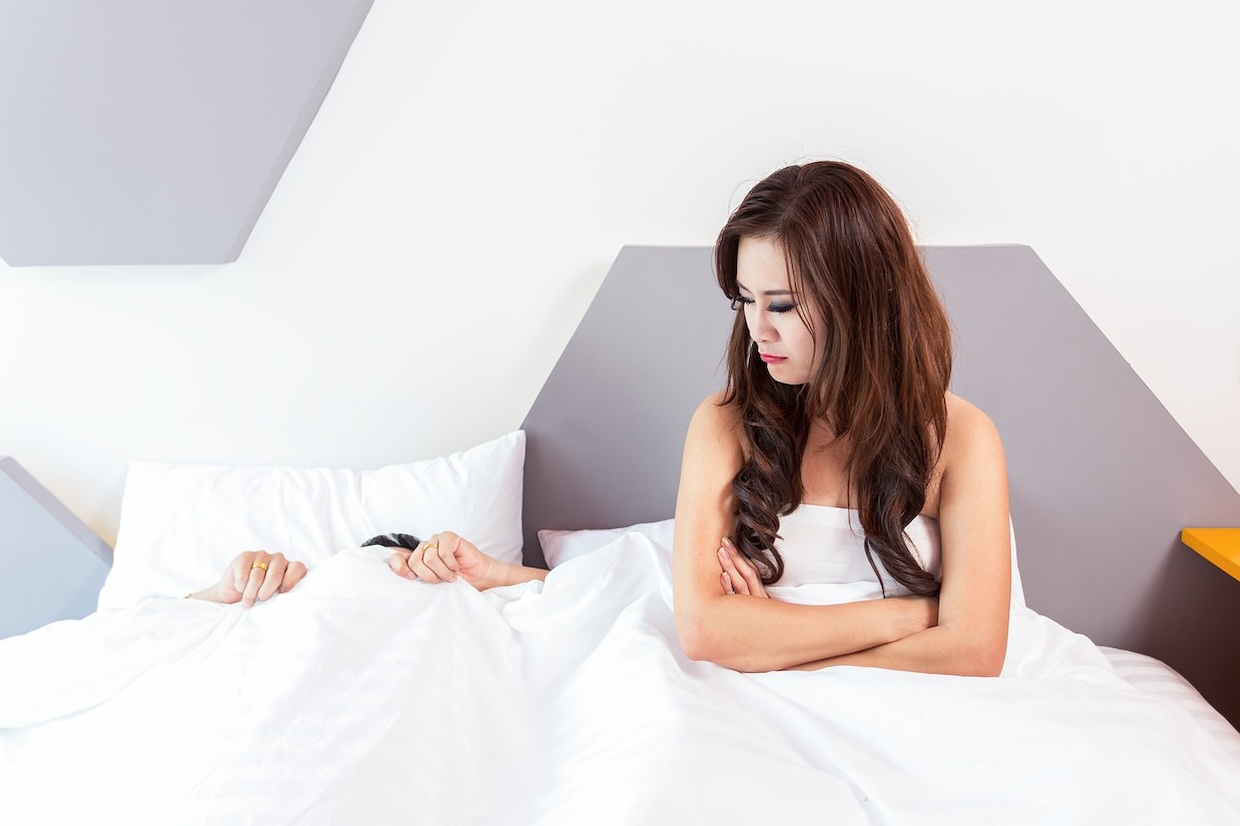
With the holidays approaching, seasonal depression is slowly creeping up for a lot of people. Seasonal depression, also known as Seasonal Affective Disorder, is pretty common amongst people around the fall and winter times.
Let’s be honest – we’ve all experienced those days when the gray skies and endless winter darkness seem to weigh heavily on our spirits. But what happens when those feelings go beyond a simple case of the winter blues? For many women, seasonal depression is a very real and challenging experience that can turn everyday life into an uphill battle.
There are so many questions: what causes SAD? Why is it only certain times of the year? Why do I have it? Let’s get into it!
And here’s something important to know: women are particularly vulnerable to this condition.
What is Seasonal Affective Disorder (SAD) or Season Depression?
The National Institution of Mental Health defines SAD as a type of depression characterized by a recurrent seasonal pattern, with symptoms lasting about 4−5 months out of the year. The signs and symptoms of SAD include those associated with depression as well as disorder-specific symptoms that differ for winter-pattern versus summer-pattern SAD.
There are two types of SAD:
- Summer depression-which normally starts late spring and ends in the beginning of fall.
- Fall/Winter depression-more common, starts in fall/winter and ends in spring/early summer.
Why Women Are More Affected
You might be wondering, “Why me?” The truth is that women face many factors that make seasonal depression more likely:
- Hormonal rollercoasters that can impact mood and energy.
Periods and hormonal changes that women often go through can affect our moods. Aside from menstrual hormones-pregnancy, perimenopausal, and premenopausal hormones can affect this.
- Biological differences in how we process light and brain chemistry.
Reduced sunlight during winter can dramatically alter the body’s internal clock, leading to hormonal imbalances and mood disturbances.
- Social and cultural pressures that often leave women carrying emotional burdens.
Your experience is valid, and you’re not alone. Millions of women navigate these challenging seasonal shifts yearly, and understanding is the first step to feeling better.
Seasonal Depression: More Than Just Feeling Sad
Seasonal depression isn’t just about feeling a little down. It can look like:
- Struggling to get out of bed in the morning
- Losing interest in activities you once loved
- Feeling like you’re moving in slow motion
- Battling constant fatigue and brain fog
- Experiencing changes in appetite and sleep patterns
- Decreased libido
- Feelings of unworthiness
It’s important to know that anybody can experience this. The earlier you get help, the better. Depression without treatment can last up to weeks, months, and even years.
Your Personal Toolkit for Battling Seasonal Depression
Practical Strategies That Actually Work
- Light Up Your Life: Literally! Light therapy can be a game-changer. Think of it as a daily dose of sunshine when the world outside is gray.
Spending time outside in sunlight can help ease symptoms. Light therapy is a real thing. If you can’t get sunlight daily, find an alternative, like a lamp, or you can research different light sources.
2. Move Your Body: Exercise isn’t about looking perfect – it’s about feeling better. Even a 20-minute walk can boost your mood significantly.
Get outside and take a walk! Listen to some music or an inspiring podcast. If you’ve been wanting to get into the gym but don’t have the motivation, this is your sign to get up and go!
3. Connect and Share: Your feelings are real, and you don’t have to face them alone. Reach out to friends, family, or a support group.
Talking to someone about how you feel will give you a sense of relief you didn’t know you needed.
4. Stay away from substances: Alcohol and drugs, legal or illegal, make depression worse. They may help you temporarily but do nothing but hinder you long-term. Physically and emotionally.
5. Therapy: It’s essential to be aware that everyone goes to therapy. It’s not just for those who are feeling mentally unwell.
Athletes, married couples, pastors, social workers, police officers, no one is exempt from psychotherapy. Based on specific professions, some individuals are required to go to therapy.
When to Reach Out for Help
Listen to your body and mind. If you’re experiencing:
- Persistent sadness lasting more than two weeks
- Significant changes in sleep or eating patterns
- Thoughts of self-harm or feeling hopeless
It’s time to talk to a healthcare professional. There’s absolutely no shame in seeking support – it’s a sign of strength, not weakness.
Every woman’s journey with seasonal depression is unique. Some find relief through therapy, others through medication, and many through a combination of approaches. The most important thing to remember? You have the power to manage your mental health.
Practical Self-Care Strategies
- Create a cozy, comforting environment at home
- Establish a consistent sleep schedule
- Eat nutritious, mood-boosting foods
- Practice mindfulness and stress-reduction techniques
- Be kind to yourself – you’re doing the best you can
Why does SAD happen?
While there are currently no proven scientific reasons for the cause of seasonal depression, some experts believe that it becoming darker outside earlier is what affects people’s moods/feelings. Drastic time changes can alter people’s sleep schedules, work schedules, and circadian rhythms. Less sunlight equals less serotonin, a chemical linked to our brain that affects our mood.
Some believe SAD in the spring/summer may be linked to societal pressure as there are more events scheduled during that time of the year.
A Message of Empowerment
Seasonal depression doesn’t define you. It’s a challenge you’re facing, not a character flaw. Your worth isn’t determined by your ability to feel happy during the darkest months. You are strong, resilient, and capable of finding light – both literally and metaphorically.
You’ve Got This!
Remember, seeking help is a sign of strength. Always remember to surround yourself with positive people. Whether it’s talking to a friend, consulting a therapist, or exploring medical options, you have multiple paths to feeling better.
Disclaimer: This article is a supportive guide, not a substitute for professional medical advice. Always consult healthcare professionals for personalized guidance tailored to your specific needs.