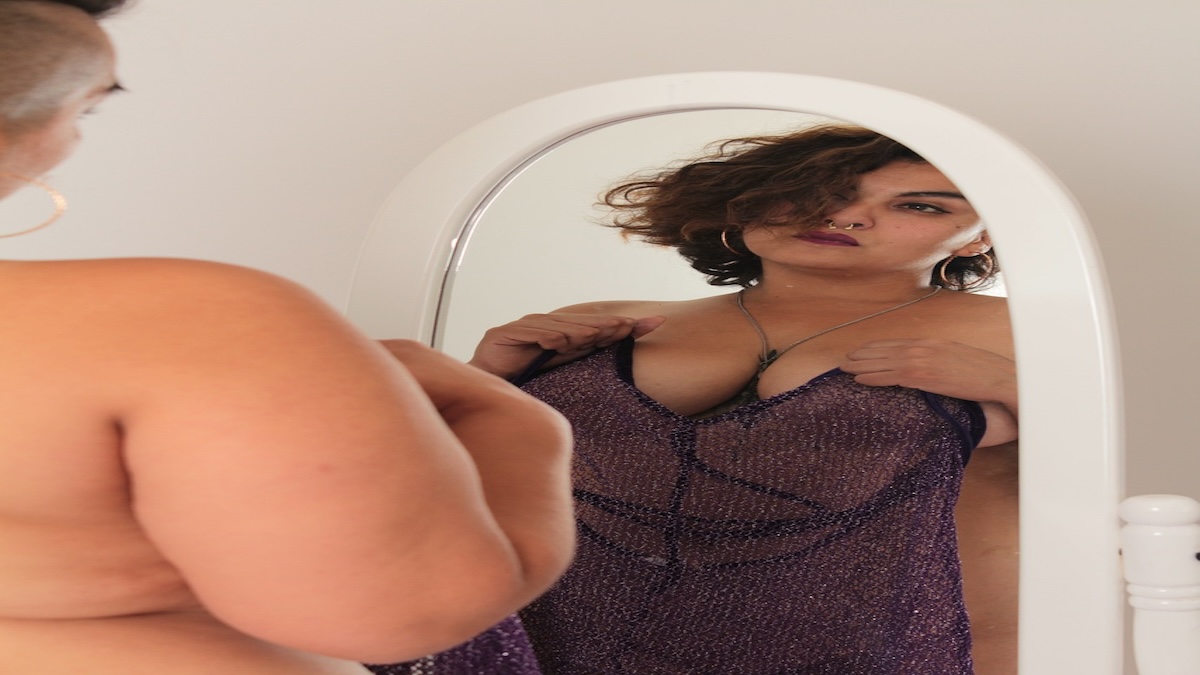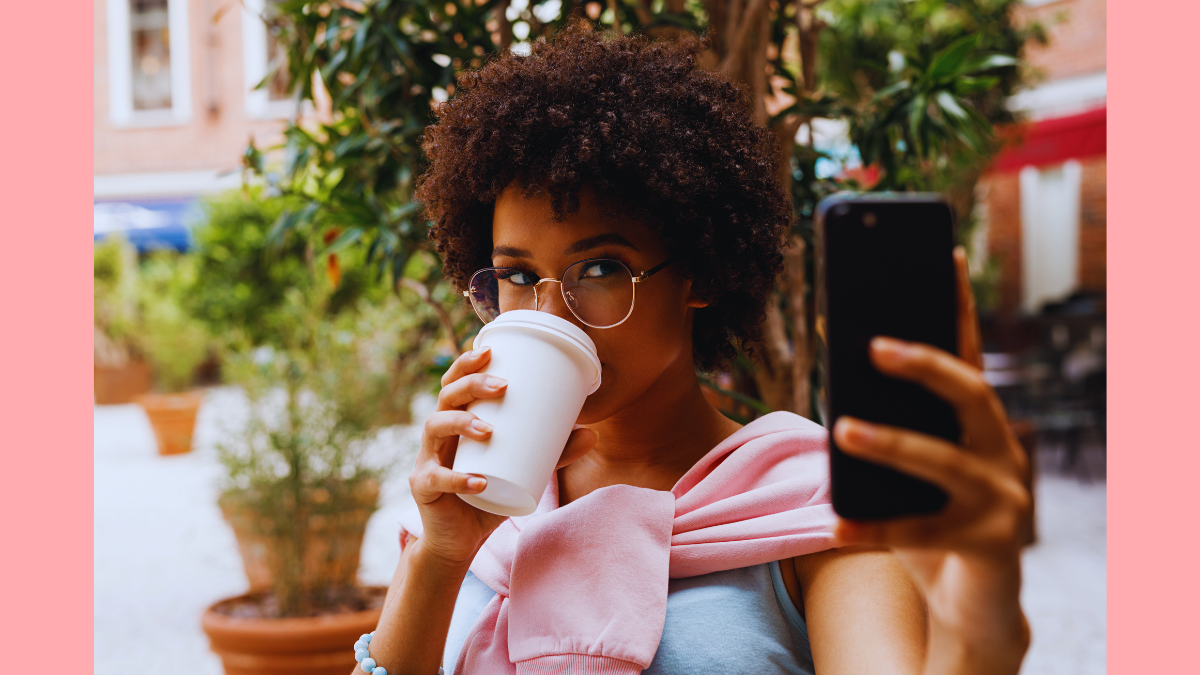
Scroll through Instagram or TikTok for even just five minutes, and it’s clear—we’re living in the age of influence. Once reserved for celebrities and bloggers with glamorous lives, the role of “influencer” has shifted into something more accessible, and for many, more desirable. Now, everyday women, students, moms, 9-to-5ers—are building platforms, curating content, and chasing the dream of turning followers into freedom.
But behind the soft aesthetic photos, daily vlogs, and captioned coffee shop moments, a quiet question is being asked by women everywhere: Do I have to become an influencer to matter in this digital world?
The Rise of the Everyday Influencer
Thanks to smartphones and social media, influence is no longer about who you know or how famous you are—it’s about how well you can connect. Platforms like TikTok, Instagram, and YouTube have opened the door for women of all backgrounds to share their stories, showcase their style, and offer their unique perspectives.
You don’t need a PR team or a production studio. All you need is a phone, decent lighting, and the courage to show up. Accessibility has made influencing feel more achievable, but it has also created a new kind of pressure, because if anyone can do it, why can’t you?
Why So Many Women Want to Be Influencers
At first glance, it’s easy to understand the appeal. Who wouldn’t want flexible hours, creative freedom, brand partnerships, and the ability to monetize your personality or passions?
But deeper than that, becoming an influencer can feel like taking control of your own narrative. For women, especially Black and brown women, it can be a powerful form of self-expression, visibility, and ownership. It’s a way to be seen in a world that often looks past you.
Influencing also represents a new kind of ambition, where success isn’t defined solely by degrees or job titles, but by how many people are paying attention to your voice. And in a society that ties visibility to value, being followed can feel like being validated.
The Double-Edged Sword of Influence
But for all its glimmer, the influencer lifestyle isn’t always golden. Behind the pretty posts is a constant cycle of content creation, self-comparison, and algorithm-chasing.
Many women, even those who aren’t influencers, find themselves caught in the mindset of needing to perform their lives for likes. A trip isn’t just a vacation—it’s a content opportunity. A quiet morning isn’t peaceful unless it looks peaceful. We’re doing a “GRWM” (Get Ready With ME) even when no one asked us to.
That kind of pressure can be exhausting. It can chip away at our self-worth, distort our sense of privacy, and make us feel like we’re falling behind if we’re not building a brand out of our everyday lives.
Is Influence the New Identity?
The truth is, influence has become more than a career—it’s become an identity. We’ve started to measure our impact by numbers: followers, views, and engagement rates. And when that becomes the standard, it’s easy to feel like you’re not doing enough unless you’re being seen.
But being seen is not the same as being known. And having influence is not the same as having purpose.
There’s a quiet danger in tying our identity to our online presence. When your personal brand becomes your entire brand, it becomes hard to distinguish between who you are and how you appear.
Redefining Influence
So, where does that leave the woman who doesn’t want to go viral? Or the woman who just wants to live her life without turning it into a highlight reel?
The answer may lie in redefining what influence truly means.
Influence doesn’t always look like thousands of followers. Sometimes it looks like mentoring a younger woman at work. Sometimes it’s being a present mother, a loyal friend, or a voice of honesty in a group chat full of masks. Influence is impact, and impact can happen with or without the internet.
You don’t have to document your life to live it beautifully. You don’t have to go viral to be valuable.
Tips for Navigating the Digital Pressure
If you’re feeling the weight of “becoming somebody” online, here are a few reminders:
- Start with purpose, not popularity. Ask yourself why you want to show up online. Is it to share, serve, inspire, or just be creative? Let your why guide your how.
- Curate, but don’t conceal. It’s okay to post beautiful things. Just don’t let the pressure to be perfect stop you from being real.
- Take breaks. Step away from the screen to reconnect with real life. You are not your content.
- You’re already ‘somebody.’ Even if no one is watching, you still matter. You are still making an impact.
Final Thoughts
In a world where everyone is trying to be seen, it’s easy to forget the beauty of simply being. Influence isn’t always about who sees you—it’s about how you show up in the lives of others, in your truth, and for yourself.
So, whether you’re building a brand or just living your life offline, remember this: You don’t have to be an influencer to influence. And your worth was never meant to be measured in views.