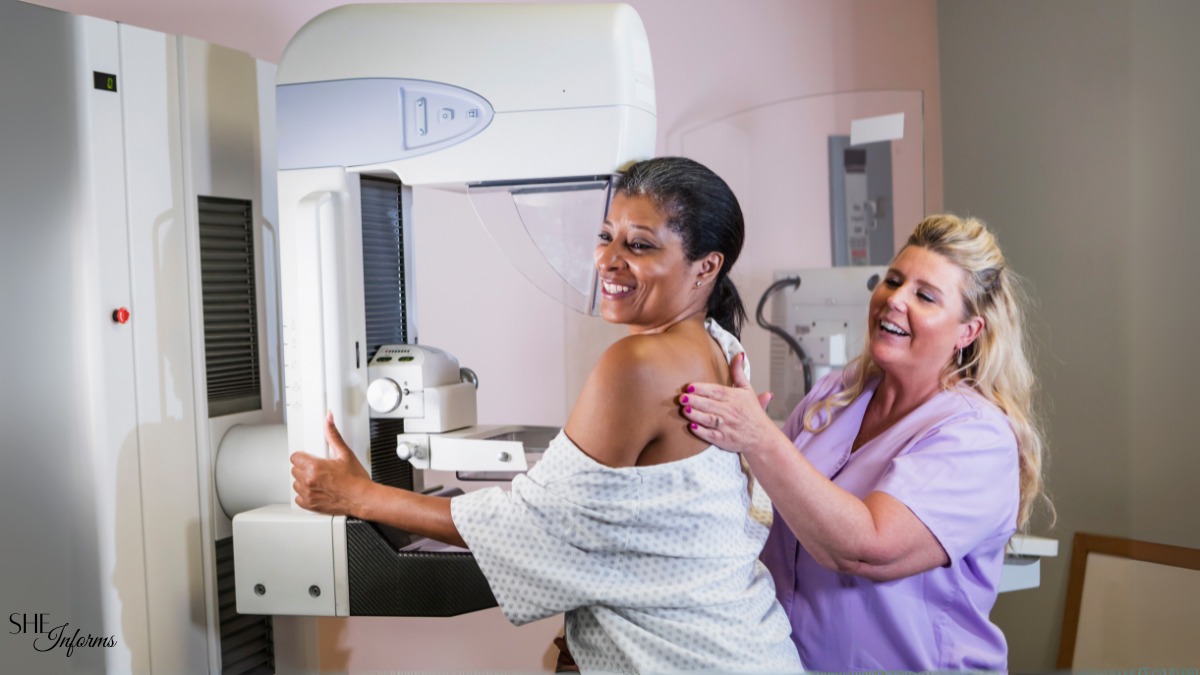
Preventive healthcare is crucial for overall wellness, and for women, specific screenings and check-ups are particularly important at various life stages. Regular screenings can detect potential health issues before they become serious problems, often when treatment is most effective. Here’s a comprehensive guide to the essential health screenings and check-ups every woman should prioritize.
General Health Screenings
Annual Physical Examination
An annual wellness visit with your primary care physician (PCP) provides a baseline for a woman’s overall health. During this appointment, your doctor will typically:
- Check vital signs (blood pressure, heart rate, temperature)
- Update your medical history
- Perform a physical examination
- Order appropriate lab tests
- Discuss any health concerns
These regular check-ups help establish a relationship with your healthcare provider and create a record of your health patterns over time.
Blood Pressure Screening
- Recommendation: At least once every two years if your blood pressure is normal (below 120/80 mm Hg); annually or more frequently if higher.
- Why it matters: High blood pressure often has no symptoms but can lead to heart disease, stroke, and kidney problems if left untreated.
Cholesterol Screening
- Recommendation: Every 4-6 years starting at age 20; more frequently if you have risk factors such as obesity, smoking habit, high blood pressure, etc.)
- Why it matters: High cholesterol contributes to heart disease and stroke risk.
Blood Glucose Testing
- Recommendation: Every three years starting at age 45; earlier and more frequently if you have risk factors for diabetes.
- Why it matters: Early detection of prediabetes or diabetes allows for lifestyle changes or treatment that can prevent complications.
Reproductive Health Screenings
Pap Smear and HPV Testing
- Recommendation:
- Ages 21-29: Pap test every 3 years
- Ages 30-65: Pap test and HPV test every 5 years, or Pap test alone every 3 years
- After 65: Can discontinue if previous results were normal
- Why it matters: These tests detect precancerous changes in the cervix, allowing for early intervention before cancer develops.
Pelvic Examination
- Recommendation: Annually or as recommended by your healthcare provider
- Why it matters: Helps identify issues with reproductive organs, including infections, fibroids, cysts, or other abnormalities.
Breast Health
- Clinical breast exam: As part of your annual physical or gynecological exam
- Breast self-awareness: Knowing how your breasts typically look and feel
- Mammogram:
- Ages 40-44: Optional annual screening
- Ages 45-54: Annual screening recommended
- Ages 55+: Screening every 1-2 years, continuing as long as you’re in good health
- Earlier or more frequent screening for those with a family history or genetic risk factors
- Why it matters: Early detection of breast cancer significantly improves treatment outcomes
Bone Health
Bone Density Test (DEXA Scan)
- Recommendation: Starting at age 65 for most women; earlier for those at higher risk for osteoporosis.
- Why it matters: Identifies decreasing bone density before fractures occur, allowing for preventive treatment.
Cancer Screenings
Colorectal Cancer Screening
- Recommendation:
- Regular screening from ages 45-75
- Options include colonoscopy every 10 years, flexible sigmoidoscopy every 5 years, or stool-based tests annually.
- Why it matters: Colorectal cancer is highly treatable when caught early
Skin Cancer Screening
- Recommendation: Annual skin check with a dermatologist; more frequently if you have risk factors.
- Why it matters: Early detection of skin cancers, especially melanoma, improves treatment outcomes.
Lung Cancer Screening
- Recommendation: Annual low-dose CT scan for women aged 50-80 with a significant smoking history (20 pack-years or more) who currently smoke or have quit within the past 15 years.
- Why it matters: Detects lung cancer at earlier, more treatable stages.
Mental Health Screenings
Depression Screening
- Recommendation: As part of regular healthcare visits, more frequently if you have risk factors or symptoms.
- Why it matters: Depression is treatable, but often goes unrecognized without screening.
Anxiety Assessment
- Recommendation: During routine healthcare visits or when experiencing symptoms
- Why it matters: Anxiety disorders respond well to treatment but are often overlooked
Age-Specific Considerations
For Women in Their 20s and 30s
- Focus on reproductive health
- Establish baseline health measurements
- STI testing as appropriate
- Thyroid screening if symptomatic
For Women in Their 40s and 50s
- Increased attention to cancer screenings
- Perimenopause and menopause management
- Heart health monitoring
- Eye examinations every 2-4 years
For Women 60 and Beyond
- Hearing tests
- Vision tests, including glaucoma screening
- Fall risk assessment
- Memory and cognitive assessments
Tailoring Screenings to Your Risk Profile
Your personal screening schedule should be customized based on:
- Family history
- Personal medical history
- Ethnicity (certain conditions are more prevalent in specific populations)
- Lifestyle factors
Making Preventive Care a Priority
Preventive healthcare doesn’t just involve showing up for screenings—it’s a mindset:
- Keep records of your screening results and dates
- Set calendar reminders for upcoming screenings
- Discuss changing recommendations with your healthcare provider
- Don’t delay seeking care when symptoms arise between scheduled screenings
Regular health screenings and check-ups are investments in your long-term well-being. By being proactive about preventive care, you can maximize your chances of living a longer, healthier life. Remember that screening recommendations evolve as medical research advances, so maintain open communication with your healthcare providers about the most appropriate screening schedule for your individual needs.