
Tag: investing

  • 7 Corporate Skills That Transfer Perfectly to Entrepreneurship

    7 Corporate Skills That Transfer Perfectly to Entrepreneurship

    Transitioning from a corporate job to entrepreneurship can feel intimidating. Many aspiring entrepreneurs believe they must start from scratch when leaving the corporate world.

    But the truth is, corporate professionals already possess valuable skills that translate directly into running a successful business.

    From leadership to time management, the experience you gain in the workplace can give you a strong advantage when launching your own venture.

    Advertisements

    Here are seven corporate skills that transfer perfectly to entrepreneurship:

    1. Project Management

    One of the most valuable skills developed in corporate environments is project management.

    In many roles, professionals are responsible for planning initiatives, coordinating teams, meeting deadlines, and delivering results. These same abilities are essential for entrepreneurs who must manage multiple aspects of their business simultaneously.

    As a business owner, project management helps you:

    • Launch products and services efficiently
    • Organize marketing campaigns
    • Manage timelines and deliverables
    • Coordinate with freelancers or team members

    Entrepreneurs who already understand how to plan and execute projects often find it easier to keep their businesses organized and productive.

    Advertisements

    2. Communication Skills

    Clear communication is critical in both corporate roles and entrepreneurship.

    Corporate professionals regularly communicate with coworkers, clients, and leadership teams through emails, meetings, presentations, and reports. These experiences strengthen your ability to convey ideas clearly and professionally.

    When starting a business, strong communication skills help you:

    • Pitch your ideas to investors or partners
    • Build relationships with clients and customers
    • Lead a team effectively
    • Develop compelling marketing messaging

    Successful entrepreneurs understand that communication drives trust and credibility.

    Advertisements

    3. Strategic Thinking

    Corporate environments often require employees to think strategically about goals, performance, and long-term outcomes.

    Professionals who participate in planning meetings, analyze performance metrics, or contribute to company initiatives are already practicing strategic thinking.

    This skill becomes extremely valuable in entrepreneurship because business owners must constantly make decisions about:

    • Market positioning
    • Business growth strategies
    • Pricing and revenue models
    • Competitive advantages

    Strategic thinking allows entrepreneurs to plan ahead instead of reacting to challenges.

    Advertisements

    4. Time Management

    In corporate jobs, deadlines are a constant reality. Employees learn how to prioritize tasks, manage workloads, and balance multiple responsibilities.

    These time-management skills are essential for entrepreneurs who often juggle many roles, including:

    • Marketing
    • Customer service
    • Financial management
    • Product development

    Without strong time management, it becomes easy for entrepreneurs to feel overwhelmed.

    Corporate experience often provides a strong foundation for staying organized and productive while building a business.

    Advertisements

    5. Leadership and Team Collaboration

    Many corporate roles involve working with teams or managing people. These experiences help professionals develop leadership abilities such as:

    • Motivating others
    • Delegating responsibilities
    • Resolving conflicts
    • Encouraging collaboration

    Entrepreneurs who understand leadership are better equipped to build and manage a team as their business grows.

    Even if you start as a solo entrepreneur, leadership skills become valuable when working with freelancers, contractors, or future employees.

    Advertisements

    6. Problem-Solving

    Corporate professionals regularly face unexpected challenges, tight deadlines, and changing priorities.

    These situations help build strong problem-solving abilities.

    Entrepreneurship also requires constant problem-solving because business owners must navigate:

    • Market shifts
    • Financial decisions
    • Customer concerns
    • Operational obstacles

    The ability to stay calm and find solutions is one of the most important traits of successful entrepreneurs.

    7. Professional Networking

    Corporate environments often expose professionals to a wide network of colleagues, industry contacts, and clients.

    These relationships can become valuable assets when launching a business.

    Networking skills help entrepreneurs:

    • Find potential clients or customers
    • Connect with mentors or advisors
    • Discover collaboration opportunities
    • Build partnerships

    Many successful businesses grow through relationships and referrals, making networking a powerful advantage for former corporate professionals.

    Advertisements

    Final Thoughts

    Starting a business doesn’t mean leaving your corporate experience behind. In many ways, those years in the workplace may have prepared you for entrepreneurship more than you realize.

    Skills like project management, communication, strategic thinking, and leadership can give aspiring entrepreneurs a strong foundation for building and growing a business.

    Instead of seeing corporate experience as a limitation, consider it a toolkit that equips you for entrepreneurial success.
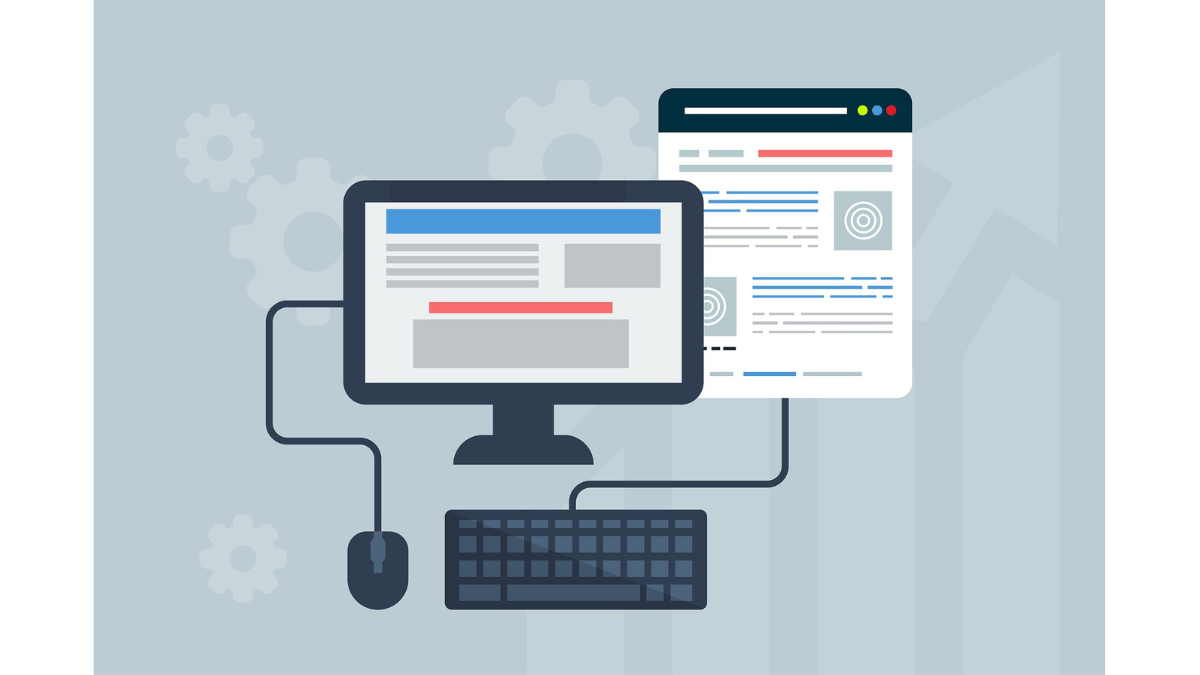
  • Unlocking Online Presence: Why Your Business Needs a Website

    Unlocking Online Presence: Why Your Business Needs a Website

    Image by Mudassar Iqbal from Pixabay

    Having a strong online presence is no longer optional for businesses – it’s crucial for survival. Your website is the foundation of your online presence, serving as the face of your brand and the gateway to your products or services. It’s where potential customers go to learn more about your business, make purchasing decisions, and eventually, become loyal patrons. So, why does your business need a website? The answer is simple – because that’s where your customers are.

    With over 4.66 billion active internet users worldwide, having a website allows you to tap into a vast pool of potential customers. Whether they’re searching for information, comparing products, or making purchases, people turn to the internet. Without a website, you’re essentially invisible to these potential customers, losing out on countless opportunities to grow your business and increase your revenue.

    The Importance of An Online Presence For Businesses

    In today’s digital world, having an online presence is vital for businesses of all sizes. Whether you’re a small local shop or a multinational corporation, the Internet offers endless opportunities to connect with potential customers. It’s a cost-effective way to promote your products or services, build brand awareness, and increase your customer base.

    One of the key advantages of having an online presence is the ability to establish credibility and trust. When potential customers search for businesses online, they expect to find a website. Without one, you may be perceived as less professional or even non-existent. A well-designed and informative website can instill confidence in your brand and make potential customers more likely to choose you over your competitors.

    Again, an online presence provides valuable insights into your target audience. Via website analytics and tracking tools, you can collect data on your visitors’ behavior, preferences, and demographics. This information can help you tailor your marketing strategies, improve your products or services, and make data-driven decisions to drive your business forward.

    Benefits of Having A Website

    Having a website offers numerous benefits for your business. Here are some key benefits:

    1. Increased visibility: A website allows you to be found by potential customers actively searching for products or services like yours. By optimizing your website for search engines, you can improve your visibility in search results and attract targeted traffic to your site.

    2. 24/7 accessibility: Unlike a physical store, a website is accessible to customers at any time, from anywhere in the world. This means you can make sales even while you sleep, maximizing your business’s potential.

    3. Cost-effectiveness: Compared to traditional forms of advertising, such as print or TV, a website is a cost-effective marketing tool. With the right strategies in place, you can reach a larger audience at a fraction of the cost.

    4. Brand building: Your website serves as a platform to showcase your brand’s identity, values, and unique selling offers. By creating a consistent and persuasive brand, you can differentiate yourself from competitors and build a strong brand image in the minds of your customers.

    5. Customer engagement: A website provides an avenue for customers to interact with your brand, whether it’s through contact forms, live chat, or social media integration. By engaging with your audience and providing valuable content, you can foster customer loyalty and encourage repeat business.

    6. E-commerce opportunities: If you sell products or services, a website opens up the possibility of selling online. E-commerce allows you to reach a broader customer base, streamline your sales process, and increase your revenue potential.

    The Role of A Website in Brand Building

    A website plays a crucial role in building and strengthening your brand. It serves as a digital storefront that showcases your brand’s personality, values, and offerings. By creating a visually appealing and user-friendly website, you can leave a lasting impression on visitors.

    One of the key elements of brand building through a website is consistency. Your website should reflect your brand’s visual identity, including colors, fonts, and imagery. Consistency in design helps create a cohesive brand experience and makes your brand more memorable.

    Additionally, your website’s content is vital in shaping your brand image. Through effective copywriting and storytelling, you can communicate your brand’s story, values, and unique selling propositions. By focusing on your target audience’s needs and desires, you can create content that resonates with them and establishes an emotional connection..

    Key Elements of An Effective Business Website

    To ensure your website effectively represents your business and achieves your goals, it’s essential to include the following key elements:

    1. Clear and intuitive navigation: A well-organized and easy-to-navigate website ensures visitors can find the information they need quickly and effortlessly.

    2. Compelling visuals: The visual design of your website should be visually appealing and aligned with your brand’s identity. Use high-quality images, videos, and graphics to capture visitors’ attention and create a positive first impression.

    3. Responsive design: With the increasing use of mobile devices, your website must be mobile-friendly and responsive. A responsive design ensures your site adapts to different screen sizes, providing a seamless user experience across devices.

    4. Clear calls-to-action: Every page on your website should have a clear and compelling call-to-action (CTA). Whether it’s to make a purchase, sign up for a newsletter, or contact your business, CTAs guide visitors toward the desired action.

    5. Informative and engaging content: Your website’s content should be informative, engaging, and relevant to your target audience. Use persuasive copywriting techniques to highlight the benefits of your products or services and address your customers’ pain points.

    6. Contact information: Make it easy for visitors to get in touch with your business by prominently displaying your contact information, including phone numbers, email addresses, and social media profiles.

    Taking Your Business to the Next Level With a Website

    Your website is something you own completely. If you are relying solely on social media, it could hurt your business. It’s good to remember that social media is owned by someone else and could be taken away at any time, your website is 100% yours.

    Having a website isn’t just about establishing your online presence. It’s about unlocking the power that comes with it – the ability to reach a global audience, build brand credibility, and engage customers in a meaningful way.