Tag: healing

  • How to Practice Self-Love After A Breakup

    How to Practice Self-Love After A Breakup

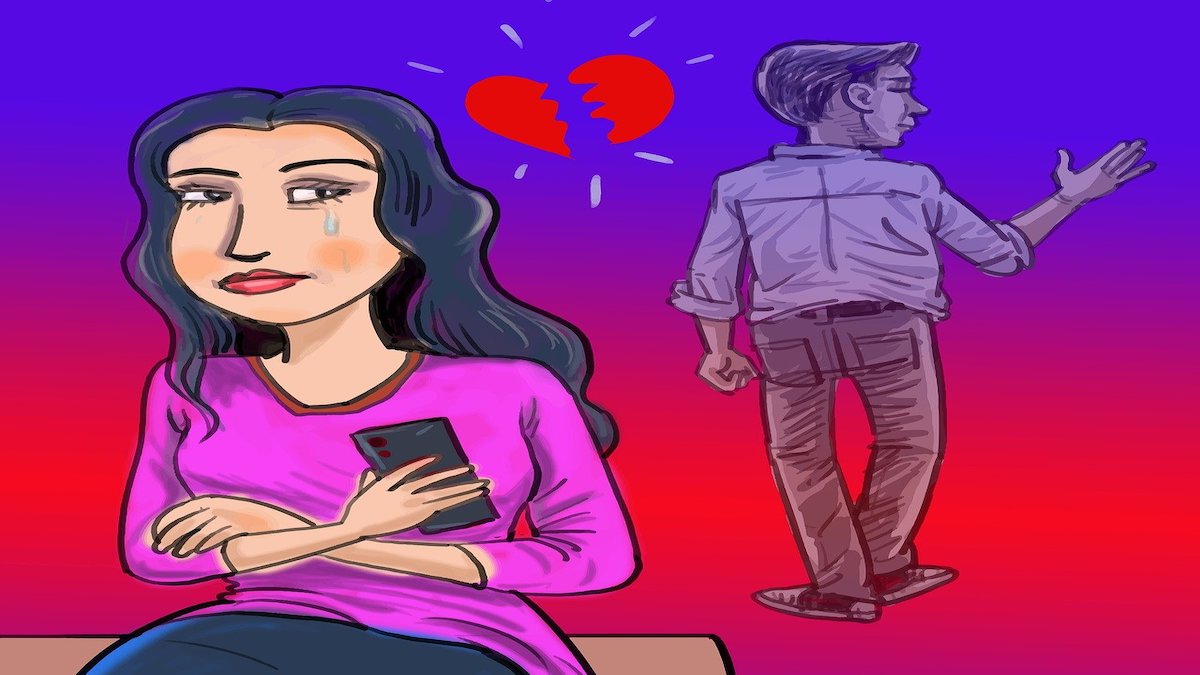
    Practicing self-love after a breakup involves taking care of yourself emotionally, mentally, and physically. it allows you to process your feelings healthily. A sense of self-worth will remind you that your value is more than a relationship or its end. Practicing self-love after a breakup will help you build resilience and will cause you to strengthen your ability to cope with future challenges or relationship issues. Read more to find ways to practice self-love and how it will benefit you in the long run.

    1. Accept Your Feelings

    Allow yourself to grieve and feel the emotions. It’s okay to be sad or angry. When we accept the situation for what it is, not how we want it to be. It makes it easier to move on. It is okay and perfectly normal to feel any sense of hurt, sadness, regret, heartbreak, anger, resentment, etc. The key is to accept these emotions and process them correctly. That means not running to a vice to fill the void but processing them.

    2. Self-Care

    Prioritize your well-being by eating well, getting enough sleep, and engaging in activities that bring you joy. It is important to take some time to pour into yourself during this time. Remember, the time that you’re single is the time to heal and focus on becoming a better person. When it comes to self-care, this is a crucial step in practicing self-love after a breakup. People can tell whether you take self-care seriously, whether it be internally or externally.

    3. Limit Contact

    If possible, limit contact with your ex to give yourself space to heal and reflect on what went wrong and what you want moving forward. If you and your partner break up and you still talk to each other, then it isn’t a breakup. Continued contact can reopen wounds and prolong the healing process, making it harder to move on. No contact not only demonstrates self-respect by prioritizing your well-being and respecting your boundaries and needs but it respects the other person’s need for space and time to heal.

    4. Seek Support

    Surround yourself with supportive friends and family or consider going to therapy. Breakups can be very hard and can sometimes affect more than just yourself. It’s good to have people in your corner who support the decisions you make but will also be a shoulder to cry on. Having the support of your friends, family, and therapist can provide emotional support and comfort, validate your feelings, give you different perspectives on your situation, make you feel less alone, etc. Support accelerates the healing process by providing a safe space to express yourself.

    5. Reflect

    Use this time to reflect on the relationship, learn from it, and understand what you want and need moving forward. Reflect on what went wrong and what you could have done better. The reflection part of a breakup is what helps dive into your flaws and what you could do to become a better person. Not only does it help you figure out what you need to work on within yourself, but it also helps you realize what you do and don’t want in your person.

    6. Set Boundaries

    Establish healthy boundaries for yourself to protect your emotional well-being. Setting boundaries is a crucial step in moving on from the past and opening yourself up to new possibilities. It allows you to focus on your healing process without interference, minimizing distractions that may hinder your emotional recovery. Clear boundaries prevent misunderstandings and limit the likelihood of mixed signals. It also allows you to detach from the relationship.

    7. Forgive

    Make sure to forgive yourself and your ex-partner. No, you will not always get the apology you deserve because many people don’t know how to apologize when they’re wrong. But holding onto resentment can hinder your healing process. Forgiveness releases you from the emotional burden of resentment, anger, and any negative feelings that may be holding you back. It helps prevent the feeling of bitterness which may impact your future relationships. Healing helps you break emotional ties with the person, allowing you to move forward without being hindered by unresolved emotions.

    8. Focus on Your Personal Growth

    Use this period as an opportunity for personal growth and self-discovery. Find a routine or hobby that will promote your well-being and help you become the person you’ve always wanted to be outside of a relationship. Work on your relationship with God, friends, family, etc. What are the things you weren’t able to focus on while in the relationship that you now have time for? Do the things you’ve always wanted to do that you had to put on hold due to the relationship. Read books, listen to podcasts, go to therapy, journal, meditate, and take some courses. The options are endless when it comes to personal growth.

    9. Be Patient

    Healing takes time, so be patient and kind to yourself throughout the process. Healing looks different for everyone, but it is linear. Having patience in the healing process cultivates self-compassion–allowing you to be kinder and more forgiving toward yourself along the way. You’ll learn to love and respect yourself more while you put all the attention on yourself. Anything worth having doesn’t come easy. When you’re willing to be patient for the something the results are always worth the process. No, you won’t get over your ex right away. No, you won’t stop thinking about them right away. No, getting under someone else will not make the self-love grow quicker. All of these things take time.

    Remember, all these key elements are what it takes to practice and maintain your self-worth, self-determination, and self-love.


  • How Journaling Can Help Individuals Battling Depression

    How Journaling Can Help Individuals Battling Depression

    In the midst of battling depression, finding effective coping mechanisms can make all the difference. One practice that has proven to be a powerful tool in helping individuals is journaling. By putting pen to paper, you are able to not only express your thoughts and emotions but also gain clarity and a sense of control over your mental state.

    Journaling to help with depression can provide a means of self-reflection, allowing individuals to identify their strengths, achievements, and resilience in the face of depression. By focusing on these positive aspects, journaling can help restore your self-esteem and boost confidence.

    Advertisements

    Journaling to help with depression offers a safe and private space for you to confront and explore your feelings, giving you the opportunity to acknowledge and process your emotions in a healthy way. Through consistent journaling, you can track your progress, identify triggers, and uncover patterns that contribute to your depression. This type of self-awareness allows you to make proactive changes, improve your coping strategies, and ultimately regain a sense of empowerment in your life.

    Benefits of journaling for individuals with depression

    By committing to a regular journaling practice, you can experience significant improvements in your mental health and overall well-being.

    Firstly, journaling provides a sense of release and relief. Often, individuals with depression struggle to articulate their thoughts and emotions, leading to a buildup of internal tension. By writing about your experiences, you can release those pent-up feelings, creating a sense of relief and emotional release. This can be especially helpful when it comes to processing negative emotions such as sadness, anger, or frustration.

    Secondly, journaling offers a means of self-reflection and self-discovery. When you write down your thoughts and emotions, you’re forced to confront yourself in a raw and honest way. This process allows you to gain a deeper understanding of your own inner world, uncovering hidden patterns, beliefs and triggers that contribute to your depression. Through this self-reflection, you can begin to challenge and reframe negative thought patterns, leading to a more positive and empowered mindset.

    Another significant benefit of journaling is its ability to improve overall mood and well-being. By focusing on the positive aspects of your life, you can train your mind to notice and appreciate the good, even in the midst of depression. By regularly documenting moments of gratitude, achievements, and personal growth, you can shift your attention away from negative thoughts and towards a more optimistic outlook. This positive mindset can have a profound impact on mental health, providing you with a sense of hope and resilience.

    Advertisements

    How to start a journaling practice for individuals battling depression

    Starting journaling can be an empowering step towards managing depression and taking control of your mental health. While it may feel overwhelming at first, with a few simple steps, anyone can begin their journaling journey. Here are some tips to help you get started:

    1. Choose the right materials: Selecting the right materials can make a significant difference in the journaling experience. Find a journal that feels comfortable and inviting, whether it’s a plain notebook or a beautifully designed journal. Experiment with different pens or pencils to discover the writing tools that feel most enjoyable to use. By creating a welcoming and personalized journaling space, you can enhance your motivation and enjoyment.

    2. Set aside a dedicated time and space: Consistency is key when it comes to journaling. Set aside a specific time each day or week to dedicate to journaling. Find a quiet and comfortable space where you can focus and reflect without distractions. By establishing a routine and creating a dedicated space, you can develop a sense of ritual around your journaling practice, making it easier to maintain and enjoy.

    3. Start with small steps: It’s important to start small when beginning a journaling practice. Instead of overwhelming yourself with the expectation of writing long entries every day, start by committing to just a few minutes of writing each day. Even a single sentence or a few bullet points can be enough to get started. The key is to build the habit of journaling gradually and make it a sustainable practice.

    4. Write without judgment: Journaling is a space for self-expression, so it’s important to write without judgment or self-censorship. Allow thoughts and emotions to flow freely onto the paper, without worrying about grammar, spelling, or coherence. The goal is not to create a literary masterpiece but to explore and process one’s thoughts and emotions. Embrace imperfections and give yourself permission to be raw and vulnerable in the journaling process.

    5. Experiment with different techniques: Don’t be afraid to experiment with different journaling techniques to find what works best. Try out free writing, gratitude journaling, reflective journaling, or art journaling to discover the method that resonates with your individual needs and preferences. Journaling is a personal practice, and what works for you may not work for someone else. Allow yourself the freedom to explore and adapt the practice as needed.

    Advertisements

    Different types of journaling techniques for managing depression

    To make the most out of journaling for mental health, it can be helpful to incorporate certain strategies and techniques into the practice. These tips can enhance the effectiveness of your journaling and deepen your self-awareness and healing:

    1. Establish a routine: Consistency is key when it comes to journaling. Set a regular schedule for journaling, whether it’s daily, weekly, or a few times a week. By establishing a routine, you can make journaling a habit and ensure that you dedicate time to your mental health on a regular basis.

    2. Write in the present tense: When journaling, it can be helpful to write in the present tense, as if the thoughts and emotions are happening at the moment. This helps create a sense of immediacy and allows you to fully immerse yourself in your experiences. Writing in the present tense can make the journaling process more engaging and impactful.

    3. Use descriptive language: To fully express your thoughts and emotions, it can be beneficial to use descriptive language. Instead of simply stating that you feel sad, try to dive deeper and describe the specific sensations and qualities of that sadness. By using descriptive language, you can gain a more subtle understanding of your emotions and experiences.

    4. Be honest and authentic: Journaling to help with depression is a space for self-expression, so it’s important to be honest and authentic in the process. Allow yourself to be vulnerable and raw, without judgment or self-censorship. The more honest you are in your journaling, the more you can gain insight into your thoughts, emotions, and patterns of thinking.

    5. Reflect on the entries: After writing in the journal for some time, take some time to reflect on the older entries. Read through the previous entries and look for patterns or recurring themes. Reflect on the emotions and thoughts expressed and consider how they relate to your overall mental health. This process of reflection can provide valuable insights and help you gain a deeper understanding of your growth.

    Advertisements

    6. Seek support when needed: While journaling can be a powerful tool for self-reflection and healing, it’s important to remember that it is not a substitute for professional help. If depression or mental health issues persist or worsen, it’s important to seek support from a mental health professional. Journaling can be used in coexistence with therapy or as a complementary practice, but it should not be relied upon as the sole form of treatment.

    By incorporating these tips into the journaling practice, individuals can maximize the effectiveness of their journaling for mental health. Remember, journaling to help with depression is a personal journey, and what works for one person may not work for another. Explore different strategies and techniques, and adapt the practice to meet your individual needs and preferences. The goal is to create a journaling practice that supports your mental health and empowers you on your healing journey.

  • The Four Attachment Styles: Building Healthier Relationships

    The Four Attachment Styles: Building Healthier Relationships

    Image by Pexels from Pixabay

    Understanding the four attachment styles is key to unlocking the secrets to building strong connections. Let’s discuss the differences and explore their characteristics and how they shape our relationships.

    Attachment theory, developed by psychologist John Bowlby, suggests that our early experiences with caregivers deeply influence our adult relationships. The four attachment styles are secure, avoidant, anxious, and disorganized. Each style has its unique set of behaviors and beliefs about intimacy, which can impact how we relate to others.

    Whether you’re striving to improve your existing relationships or create new ones, uncovering the secrets behind each one is valuable.

    What a lot of people don’t know is that attachment styles have a huge impact on how we form and maintain relationships.

    The Four Attachment Styles

    • Securely attached individuals tend to have healthier and more stable relationships, while anxiously and avoidantly attached individuals may struggle with emotional intimacy and trust.
    • Anxiously attached individuals may become overly dependent on their partners and may struggle with jealousy and possessiveness. They may also experience high levels of anxiety and emotional distress when their partners are unavailable or unresponsive.
    • Dismissively attached individuals may struggle with emotional intimacy and vulnerability, often distancing themselves from their partners and avoiding closeness. They may also struggle with empathy and emotional regulation.
    • Fearfully attached individuals may struggle with trust and emotional vulnerability, often avoiding close relationships altogether or becoming overly dependent on their partners. They may struggle with emotional regulation and may be at higher risk for trauma and abuse.

    Secure Attachment Style

    Individuals with a secure attachment style have a positive view of themselves and others. They are comfortable with intimacy and can trust and depend on their partners. They have a healthy balance of independence and interdependence in their relationships, and they can communicate their needs and emotions effectively.

    Securely attached individuals have likely had caregivers who were responsive to their needs and provided a secure base for them to explore the world. As adults, they are able to form healthy relationships based on trust, mutual respect, and emotional support.

    They often have satisfying and stable relationships. Securely attached individuals can provide a sense of stability and emotional support for anxiously and avoidantly attached partners. They can also model healthy communication and emotional regulation, helping their partners develop these skills.

    Anxious-Preoccupied Attachment Style

    Individuals with an anxious-preoccupied attachment style tend to have a negative view of themselves and a positive view of others. They crave intimacy and fear rejection, often becoming clingy and overly dependent on their partners. They are preoccupied with their relationships and can become easily overwhelmed by emotions.

    Anxiously attached individuals have likely had caregivers who were inconsistent in responding to their needs. As adults, they may struggle with feelings of abandonment and rejection and have difficulty trusting their partners.

    Individuals with an anxious attachment style crave closeness and fear abandonment. They often have a heightened sensitivity to signs of rejection or neglect. People with an anxious attachment may become clingy or possessive in relationships, seeking constant reassurance and validation.

    Anxiously attached individuals can benefit from learning to communicate their needs and emotions effectively and developing self-soothing strategies.

    Dismissive-Avoidant Attachment Style

    Individuals with a dismissive-avoidant attachment style have a positive view of themselves and a negative view of others. They value independence and self-sufficiency and are uncomfortable with intimacy and emotional vulnerability. They may avoid emotional connections and may appear emotionally distant in relationships.

    Dismissively attached individuals have likely had caregivers who were unresponsive to their needs. As adults, they may have difficulty forming close relationships and may struggle with emotional intimacy.

    Those with an avoidant attachment value independence and self-reliance. They may have learned to suppress their emotions and avoid emotional intimacy. People with an avoidant attachment may also struggle with commitment and find it difficult to fully trust and open up to their partners.

    Fearful-Avoidant Attachment Style

    The fearful-avoidant attachment style, also known as the disorganized attachment style, is characterized by a deep fear of intimacy and a desire for closeness at the same time. Individuals with this attachment style often have conflicting emotions and struggle to trust others.

    Individuals with a fearful-avoidant attachment have a negative view of themselves and others. They crave intimacy but fear rejection, often becoming avoidant and distant in relationships. They may struggle with trust and emotional vulnerability and may have a history of trauma or abuse.

    Fearfully attached individuals have likely had caregivers who were inconsistent or abusive in responding to their needs. As adults, they may have difficulty with emotional regulation and may struggle with forming healthy relationships.

    The disorganized attachment style is characterized by a mix of anxious and avoidant behaviors. People with a disorganized attachment may have experienced traumatic or abusive relationships in the past. They may struggle with regulating their emotions and have difficulties forming stable and healthy relationships.

    People with a fearful-avoidant attachment style may have had inconsistent or abusive caregiving in their early years, leading to a fear of being vulnerable and getting hurt. As a result, they may push others away to protect themselves or become clingy in relationships, constantly seeking reassurance.

    Avoidantly attached individuals can benefit from learning to be more emotionally open and vulnerable and developing empathy for their partners.

    How Attachment Styles Impact Relationships

    By gaining an understanding of your own attachment style, you can become more self-aware and navigate your relationships with greater insight. Moreover, recognizing the attachment styles of those around you can help you develop empathy and adapt your communication style accordingly.

    Building healthy relationships requires effort, patience, and a willingness to learn and grow. By prioritizing self-awareness and effective communication, you can unlock the secrets to building strong and lasting connections.

    Recognizing and Understanding Your Attachment Style

    Reflecting on your past experiences with caregivers and how they have shaped your beliefs and behaviors can provide insight into your attachment style.

    Consider the following questions:

    1. How do you typically respond to conflict or emotional needs in a relationship?

    2. Do you find it easy to trust others and open up emotionally?

    3. Are you comfortable with giving and receiving affection?

    4. How do you handle separations or distance in a relationship?

    Answering these questions honestly can help you identify patterns and tendencies that align with one of the four attachment styles. Remember, attachment styles are not fixed and can be influenced by personal growth and experiences.

    Building Healthier Relationships with Different Attachment Styles

    If you discover that your attachment style is impacting your relationships negatively, seeking therapy or counseling can be beneficial. A professional can help you unravel deep-seated beliefs and develop healthier relationship patterns.

    Building healthy relationships with different attachment styles requires empathy, understanding, and effective communication. If you are in a relationship with someone who has a different attachment than you, it is essential to recognize and respect their needs and boundaries.

    Attachment styles play a significant role in the dynamics of our relationships. They shape our expectations, behaviors, and responses to intimacy and closeness. Understanding how attachment styles impact relationships can help us navigate challenges and foster healthier connections.

  • 11 Common Trauma Responses Among Women

    11 Common Trauma Responses Among Women

    Image by Mary Pahlke from Pixabay

    We’ve all been through trauma and it affects everyone very differently. Trauma stems from childhood to adulthood experiences but it is important that we learn to heal from them. I’ve listed a few common trauma responses that we may think are normal but are stress reactions, stemming from trauma.

    Studies show that women with PTSD (Post Traumatic Stress Disorder), and substance abuse disorders have more frequently experienced rape or witnessed a killing or injury; men with both disorders typically witnessed a killing or injury or were the victim of sudden injury or accident (Cottler, Nishith, & Compton, 2001).

    Advertisements

    Some people react to trauma with PTSD, while others might show mild responses that are not quite large enough to be diagnosed.

    Now, just because you may suffer from these things does not automatically mean you suffer from trauma, these are just some common behaviors as a result of a traumatic experience.

    DISCLAIMER: I am not a trained mental health counselor or a licensed therapist.

    • Self-medication
    • Irregular sleep schedule
    • Excessive alcohol use
    • Difficulty expressing oneself
    • Racing thoughts
    • Memory Problems
    • Numbness and attachment
    • Hyper-independence
    • Loss of purpose
    • Argumentative behavior
    • Self-Harm
    Advertisements

    Self-Medication

    Self-medication is one of the most widespread trauma responses in today’s society. According to VeryWellMind.com, self-medication is a way to cope with specific types of emotional pain in the absence of a more adequate solution and the lack of social relationships. Almost the same idea as “comfort food”. When you’re in such a negative mental state, some people want to escape it as soon as possible. Some people choose food, and some self-medicate for the temporary feeling.

    Irregular Sleep Schedule

    Staying up really late or not being able to get any sleep at all is also one of the very common trauma responses. According to Sleep Foundation, individuals with PTSD frequently have trouble falling asleep and awakening easily, or even waking up many times throughout the night. Numerous people with PTSD also have nightmares. These issues result in disrupted, non-refreshing sleep.

    Excessive Alcohol Use

    Image by Gerd Altmann from Pixabay

    Along with self-medication, Alcohol use is another substance abuse tactic people use to avoid dealing with difficult emotions associated with traumatic experiences. While it is only temporary, it also helps individuals avoid the pain their feeling for the time being.

    Difficulty Expressing Oneself

    Everything eventually results back to childhood trauma. Women who have experienced trauma end up having difficulty openly communicating. This can be caused by not wanting to relive the same outcome or feel the same way it felt when previously expressing how they once felt. They normally have a negative connotation when it comes to expressing how they feel.

    Advertisements

    Intrusive Thoughts

    Constantly thinking about the traumatic event over and over again, is classified as flashbacks. It can increase heart rate and cause anxiety. Sometimes when people experience intrusive thoughts, it is so intense they feel like they’re reliving the trauma again.

    Memory Problems

    Having trouble remembering important things or trying to avoid the traumatic event, can result in more permanent memory problems. When you try your best not to remember certain things, it becomes a habit. One of the common trauma responses that people don’t realize they suffer from.

    Numbness and Attachment

    Traumatic stress tends to evoke two emotional extremes: feeling either too much (overwhelmed) or too little (numb) emotion. Numbness is the process of detaching from feelings, thoughts, and emotions. Which normally results in difficulty forming attachments or relationships with people.

    Hyper-Independence

    Advertisements

    Hyper-independence is a stress response when you want to take care of everything on your own without the help of others. This could derive from being let down consistently or never having anyone there to help in the first place. So it may be hard to accept help, or you may feel you’re not worthy of any help.

    Loss of Purpose

    After trauma, a lot of women lose a sense of purpose. You normally find it when you are going through a healing journey. Versus when you go through trauma, you tend to lose your purpose or sense of self. You lose yourself, and when the trauma passes you don’t recognize yourself anymore.

    Argumentative Behavior

    Individuals who may be suffering from PTSD, tend to form more aggressive behaviors. A lot of irritability and angry outbursts tend to occur.

    Self-Harm

    Self-harm is any type of intentionally self-inflicted harm, regardless of the severity of the injury or whether suicide is intended. Often, self-harm is an attempt to cope with emotional or physical distress that seems overwhelming or to cope with a deep sense of dissociation or being trapped, helpless, and “damaged”. (Herman, 1997; Santa Mina & Gallop, 1998).

    What I recommend if you are suffering from any of these things is therapy. There are plenty of affordable and free resources if you cannot afford therapy, but I believe it is the most significant thing you can do for your own mental health and healing. Thanks for reading!

  • Different Types of Soul Ties: Identifying and Breaking Them

    Different Types of Soul Ties: Identifying and Breaking Them

    Image by Gerd Altmann from Pixabay

    First things first, let’s identify…

    What is a soul tie?

    In simple words, most would people identify a soul tie as a magnet/unity/spiritual connection between two people. According to Mindbodygreen.com, A soul tie is a connection with someone deeply embedded into your soul. A third definition is an emotional/spiritual bond that can make it hard to separate from another being.

    Advertisements

    Although, the most popular soul tie that people are aware of is the physical soul tie that stems from sexual intercourse. What people don’t know is that there can be platonic ones as well. There are healthy soul ties, and then there are unhealthy soul ties. Ever wonder why you can’t step away from someone? When someone you know is toxic and you know you should end it, but can’t seem to do it? It’s most likely is a soul tie.

    Remember…when God and/or the Universe doesn’t want you with someone, your souls will never be at peace together.

    Different Types of soul ties & How they are formed

    You have what is defined as Godly soul ties and Ungodly soul ties…

    • Godly: A connection in the spiritual realm that brings beneficial consequences. Stemming from biological, sexual/physical touch (Ex: parent & child and/or husband & wife).
    • Ungodly: A soul tie that goes against God’s plan, usually brought on by demons (Ex: Sex outside of marriage and/or toxic situations).

    You don’t have to be religious to determine which of these are healthy versus unhealthy.

    Advertisements
    • Physical: As humans, we crave physical touch whether it be a sexual act or a simple hug, which can create and bond and also keep you bonded with a person.
    • Emotional: Sharing feelings, experiences, and going through ups and downs with someone can really strengthen a bond and also create a tie. This explains why it may be hard to cut ties with someone you share an emotional soul tie with.
    • Spiritual: Since we are spiritual beings, this soul tie usually forms when you have a spiritual or emotional relationship with someone, it transforms into something deeper/powerful creating that spiritual soul tie.
    • Social: This usually forms through settings of social interactions, usually with friends or coworkers.
    • Permanent soul ties: When two souls merge without the agreement of each other. Usually, they are aware of it and deal with this soul tie on a more conscious level.

    Key factor: You can have soul ties with multiple people who also aren’t your soulmate.

    Different types of soul ties: Healthy vs Unhealthy Soul ties

    Although I want badly to say “you’ll know” when most people ask the difference between a healthy soul tie vs an unhealthy one, I’m going to list the main points to help differentiate between one another below:

    You’ll know its an unHealthy soul tie when:

    • You want to leave, but can’t…
    • You’re beginning to lose yourself…
    • The energy is off…
    • You feel constant negative emotions…
    • The connection is draining…
    Advertisements

    You’ll know its a healthy soul tie when:

    • You feel connected on a deeper level
    • They feel familiar/comfortable
    • They complete you/you feel like yourself around them
    • You get positive benefits vs negative from being around them
    • You crave their presence/constantly want to be around them

    How can I Break a soul tie?

    Although we identify the different types of soul ties, we can acknowledge that losing or trying to get rid of a connection whether you’re trying to break a soul tie or you’re trying to heal, isn’t easy. The first step would be to acknowledge the soul tie, then take proper action. Here are a few ways to break those unwanted soul ties or the ones that are no longer serving you.

    • Meditate – release this person through the art of meditation
    • Spirit work – Talk to the universe or spirit guides about this person and let them know that you want to get rid of this connection.
    • Talk to the person’s soul – Tell the person that the connection is going to end, they might not hear it but their soul will.

    Of course, this stuff won’t work if you’re not willing to do the work. You can’t just wish the connection away and if you truly want to get rid of this soul tie, you must also back up anything that you ask the universe for.

    Attraction is flesh, connection is soul.