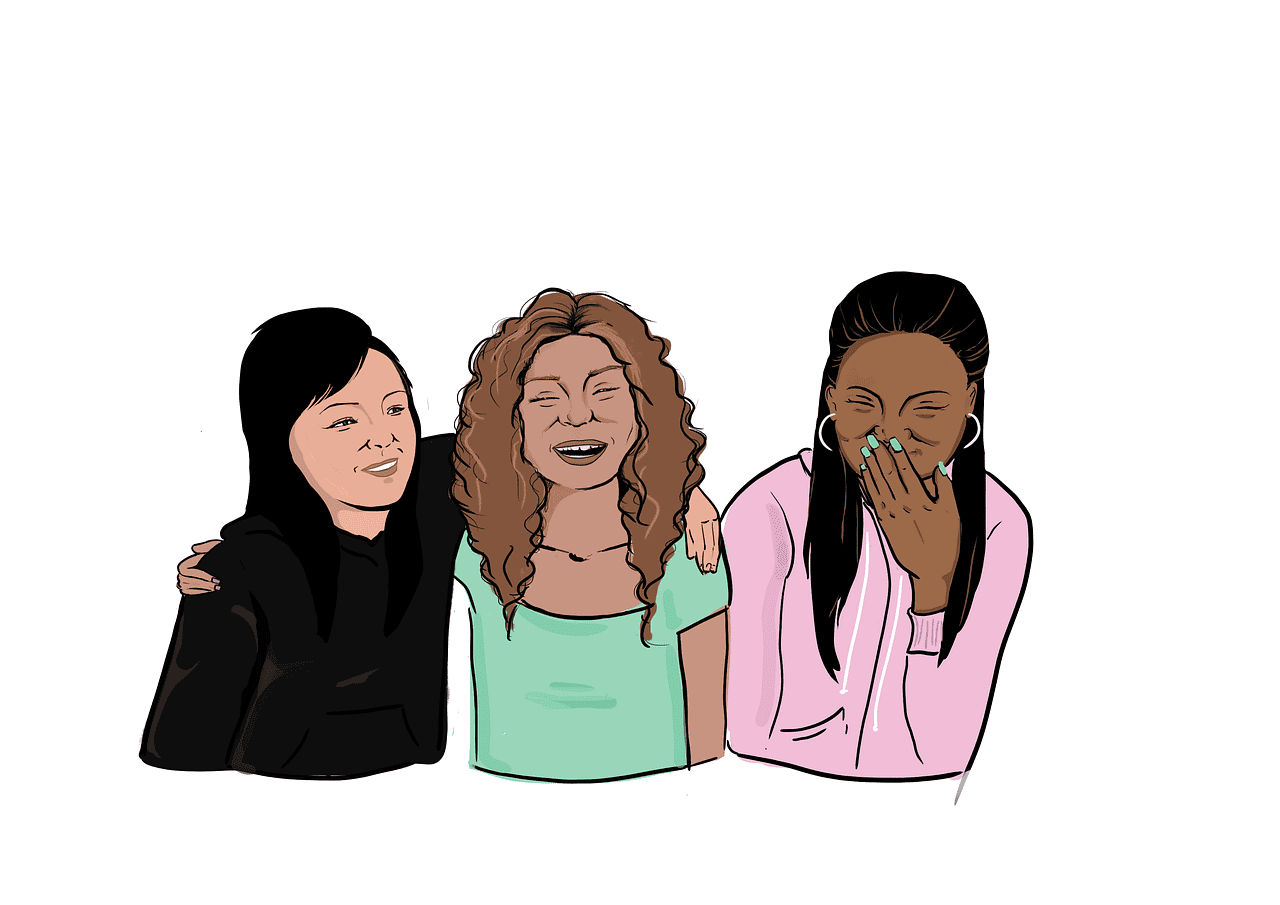
Category: Friendships

  • Why Boundaries Make Relationships Better, Not Worse

    Why Boundaries Make Relationships Better, Not Worse

    If you’ve ever worried that setting boundaries will push someone away, you’re not alone. A lot of people associate boundaries with being “cold,” “difficult,” or “too much.” But the truth is the opposite: healthy boundaries improve relationships by protecting respect, emotional safety, and trust.

    Boundaries aren’t walls. They’re guidelines that help two people stay connected without losing themselves in the process.

    Advertisements

    What Are Boundaries in a Relationship?

    Boundaries are limits that define what you’re comfortable with and how you want to be treated. They can be emotional, physical, digital, financial, or even time-related.

    For example, boundaries can sound like:

    • “I need alone time after work before we talk.”
    • “I’m not okay with yelling during disagreements.”
    • “Please don’t share personal details about me with others.”
    • “I’m happy to help, but I can’t lend money right now.”

    A boundary isn’t about controlling another person. It’s about communicating your needs clearly and taking responsibility for protecting your peace.

    Why Boundaries Make Relationships Stronger

    Healthy relationships aren’t built on guessing games. They’re built on communication, mutual respect, and trust. Boundaries support all three.

    1. Boundaries Create Emotional Safety

    When both people understand what’s acceptable and what isn’t, the relationship feels more stable. You don’t have to walk on eggshells or constantly wonder where you stand.

    Emotional safety is what allows people to be vulnerable, honest, and fully themselves without fear of being punished for it.

    Advertisements

    2. Boundaries Reduce Resentment

    Resentment often comes from over-giving, over-extending, or staying silent about what you really need.

    Without boundaries, you might say “yes” when you really mean “no,” then feel irritated later. Over time, that turns into frustration and emotional distance.

    Boundaries prevent that by making space for truth early before it becomes bitterness.

    3. Boundaries Improve Communication

    A relationship can’t thrive if people are afraid to speak up. Boundaries encourage open conversations like:

    • what you need to feel loved
    • what stresses you out
    • what makes you feel disrespected
    • what helps you feel supported

    Instead of arguing about symptoms (“you never listen”), boundaries help you address the real issue (“I need you to stop interrupting me when I’m speaking”).

    4. Boundaries Help You Stay True to Yourself

    One of the biggest relationship mistakes people make is shrinking themselves to keep the peace.

    But healthy love doesn’t require self-abandonment. Boundaries allow you to stay connected to your values, needs, and identity while still showing up for your partner.

    When you feel like yourself in a relationship, you’re more confident, secure, and emotionally available.

    Advertisements

    5. Boundaries Build Trust Over Time

    Trust isn’t just about loyalty; it’s also about consistency.

    When someone respects your boundaries, it sends a clear message:
    “I care about your comfort, your feelings, and your well-being.”

    That builds trust. And when you respect someone else’s boundaries, you create the same safety for them.

    Why Some People Think Boundaries Make Relationships Worse

    Boundaries only feel “bad” to someone who benefits from you having none.

    If a person is used to:

    • unlimited access to your time
    • emotional labor with no balance
    • you always forgiving everything
    • you staying quiet to avoid conflict

    …then boundaries feel like rejection. But they’re not rejected. They’re protection.

    And in healthy relationships, protection is love.

    Boundaries Are Not the Same as Being Mean

    It’s possible to set boundaries with kindness. You don’t have to be harsh or aggressive for your boundary to be real.

    Here’s the difference:

    Healthy boundary:
    “I’m not comfortable being spoken to like that. Let’s take a break and talk when we’re calm.”

    Unhealthy behavior:
    “I’m done talking. You always ruin everything.” (shutdown + blame)

    A boundary is calm, clear, and focused on your needs—not punishing the other person.

    Examples of Healthy Limitations That Improve Relationships

    Here are a few real-life boundaries that often make relationships healthier:

    Time boundaries

    • “I can hang out Friday, but I need Saturday to recharge.”
    • “I can’t text all day while I’m working.”

    Emotional boundaries

    • “I’m here for you, but I can’t be your only support system.”
    • “I need you to respect my feelings even if you don’t agree.”
    Advertisements

    Conflict boundaries

    • “We can disagree, but we won’t insult each other.”
    • “If we start yelling, we pause and come back later.”

    Physical boundaries

    • “I don’t like being touched when I’m upset.”
    • “I need personal space sometimes.”

    Social media/digital boundaries

    • “Please don’t post me without asking.”
    • “I’m not comfortable with you reading my messages.”

    How to Set Boundaries Without Ruining the Relationship

    If you’re nervous about bringing up boundaries, keep it simple:

    1. Say what you need
    2. Say why it matters
    3. Say what you will do if it isn’t respected

    For example:
    “I need us to stop arguing late at night. I get overwhelmed, and it makes things worse. If we start fighting after 10, I’m going to pause the conversation, and we can revisit it tomorrow.”

    That’s not drama. That’s maturity.

    The Bottom Line: Boundaries Protect Love

    Boundaries don’t create distance; they create clarity.

    They help you love without losing yourself. They prevent resentment. They make communication easier. And they build trust because both people feel respected and safe.

    If a relationship is truly healthy, boundaries won’t break it.
    They’ll strengthen it.

    Because the right person won’t fear your boundaries.
    They’ll appreciate them.

    Advertisements
  • Navigating the Emotional Terrain of Friendship Breakups

    Navigating the Emotional Terrain of Friendship Breakups

    When we think about painful breakups, romantic relationships often come to mind first. Yet friendship breakups can be equally—if not more—devastating. These social cracks leave emotional wounds that many of us are unprepared to handle, primarily because society rarely acknowledges their value. Unlike romantic breakups, which come with established healing practices and widespread sympathy, friendship breakups often leave us navigating unknown waters alone.

    Advertisements

    Understanding Friendship Breakups

    Friendship breakups occur when once-close relationships dissolve, either through a dramatic falling out or a gradual drifting apart. These separations can happen for countless reasons: changing life circumstances, betrayal of trust, unresolved conflicts, or simply growing in different directions. Regardless of the cause, the emotional aftermath can be profound and long-lasting.

    Dr. Miriam Kirmayer, a clinical psychologist specializing in friendship, notes that “friendship breakups can feel particularly painful because we don’t expect them to happen. We’re culturally conditioned to see friendships as relationships that should withstand the test of time.”

    The Emotional Impact

    The grief that follows friendship breakups often catches people by surprise. You might experience a range of emotions, including:

    • Confusion and questioning what went wrong
    • Anger at perceived betrayal or abandonment
    • Sadness over the loss of a significant relationship
    • Anxiety about mutual social connections
    • Self-doubt about your value as a friend

    These feelings deserve validation. Research shows that social rejection activates the same brain regions as physical pain, confirming what many who’ve experienced friendship breakups already know: the hurt is genuine and legitimate.

    Advertisements

    Healing From Friendship Breakups

    Recovery from friendship breakups requires intentional emotional processing. Here are strategies to help navigate this complicated landscape:

    Allow yourself to grieve. Acknowledge the loss rather than minimizing it. The relationship meant something to you, and its end deserves to be mourned.

    Seek perspective without obsessing. Reflect on what happened, but avoid the trap of endless thought. Consider what you’ve learned about yourself, relationships, and your needs in friendships.

    Find healthy outlets for your feelings. Journal about your experience, talk with supportive people, or channel emotions into creative or physical activities.

    Re-evaluate boundaries. Friendship breakups often reveal where our boundaries need strengthening. Use this insight to nurture healthier relationships moving forward.

    Practice self-compassion. Resist the urge to blame yourself entirely. Relationships are complex systems, and their endings rarely have a single cause.

    Advertisements

    When to Let Go and When to Reconcile

    Not all friendship breakups need to be permanent. Sometimes, space and time provide the perspective needed for reconciliation. Consider these questions when deciding whether to attempt rebuilding:

    • Was the friendship generally positive and supportive?
    • Is there a willingness on both sides to address the issues?
    • Have the circumstances that contributed to the breakup changed?
    • Can you envision a healthy relationship moving forward?

    If reconciliation seems possible, approach it with clear communication about what happened, what needs to change, and how you’ll address conflicts in the future.

    However, some friendship breakups represent necessary endings. If the relationship was consistently harmful to your well-being, reconciliation may not be the healthiest path.

    Building Resilience Through Friendship Breakups

    Though painful, friendship breakups can ultimately contribute to personal growth. They teach us about our needs, values, and boundaries in relationships. Many people emerge from these experiences with greater emotional intelligence and a clearer sense of the qualities they seek in future friendships.

    Psychologist Adam Grant suggests that “resilience isn’t about bouncing back to where you were before; it’s about bouncing forward to something new.” The end of a friendship opens space for new connections that may better align with who you are becoming.

    Advertisements

    Moving Forward

    Remember that healing isn’t linear as you navigate the aftermath of friendship breakups. Some days will be more complicated than others. Be patient with yourself, and continue investing in connections that nourish you.

    The pain of friendship breakups reflects the meaningful role these relationships play in our lives. By acknowledging their significance and learning from their endings, we honor our friends’ impact on shaping who we become, even when the relationship itself doesn’t endure.

  • 6 Factors For Cultivating a Healthy Friendship

    6 Factors For Cultivating a Healthy Friendship

    Image by Eira from Pixabay

    A healthy friendship is that one part of life that most people take for granted. This not only applies to friendships, but relationships in general. When you start to looking at friends you meet long-term, it is easy to know whether or not that person will be around for long.

    The same way you approach dating for potential life-long partners. You should also look potential life-long friendships in the same instance.

    Advertisements

    Safe Spaces

    It’s essential that you create a space for your circle to feel vulnerable. A judge-free zone is the core to a healthy friendship. Making someone comfortable to share themselves with you no matter what is creating a safe space. Safe spaces are important because they open the opportunity to share and express oneself without the fear or being ridiculed or judged.

    Advertisements

    Accountability

    Being able to hold each other accountable no matter how they may feel, is critical for a genuine, adult friendship. According to Investopedia, accountability is the acceptance of responsibility for one’s own actions. Being able to hold someone to their actions, whether right or wrong. That’s when you know when there is respect in the friendship…when there is ample room for accountability.

    Support

    One thing I’ve learned is not being there for someone when they need you can very hurtful. Whether you realize it or not…support is something we as humans need. Let your friend know that they have your full support, and ACTUALLY be supportive. Lift them up, be that shoulder to cry on, let them share their feelings with you. Support is being there for one another whenever they need you, through the good and bad.

    Advertisements

    Trust

    I think it’s safe to say that this goes for any relationship. Without trust, you don’t have a foundation to build on. To be able to depend on your friend to be honest, to be yourself around, you can share your dreams, thoughts and secrets without feeling judged.

    Now, of course trust is something that has to be built. Communication, honesty, and time builds trust for a lasting, healthy friendship. I can’t imagine a healthy friendship without trust.

    Love

    Love one another. Cherish one another. Care for them, and want the best for them. Love is such a strong feeling for a person, and of course, you have compassionate love and romantic love. For a platonic, healthy friendship to be genuine, there must be compassion.

    Advertisements

    Discernment

    Being able to discern genuine friends from those that aren’t so genuine. Discernment is the ability to judge well. A core process in weeding the good from the bad. Unfortunately, people come with ulterior motives or some people just weren’t raised to be good people. Its up to you to decide whether a person is a good friend to have around or someone who may put you in an uncomfortable situation.