Category: Family Life

  • How Becoming a Mom Changes Your Social Circle (And That’s OK)

    How Becoming a Mom Changes Your Social Circle (And That’s OK)

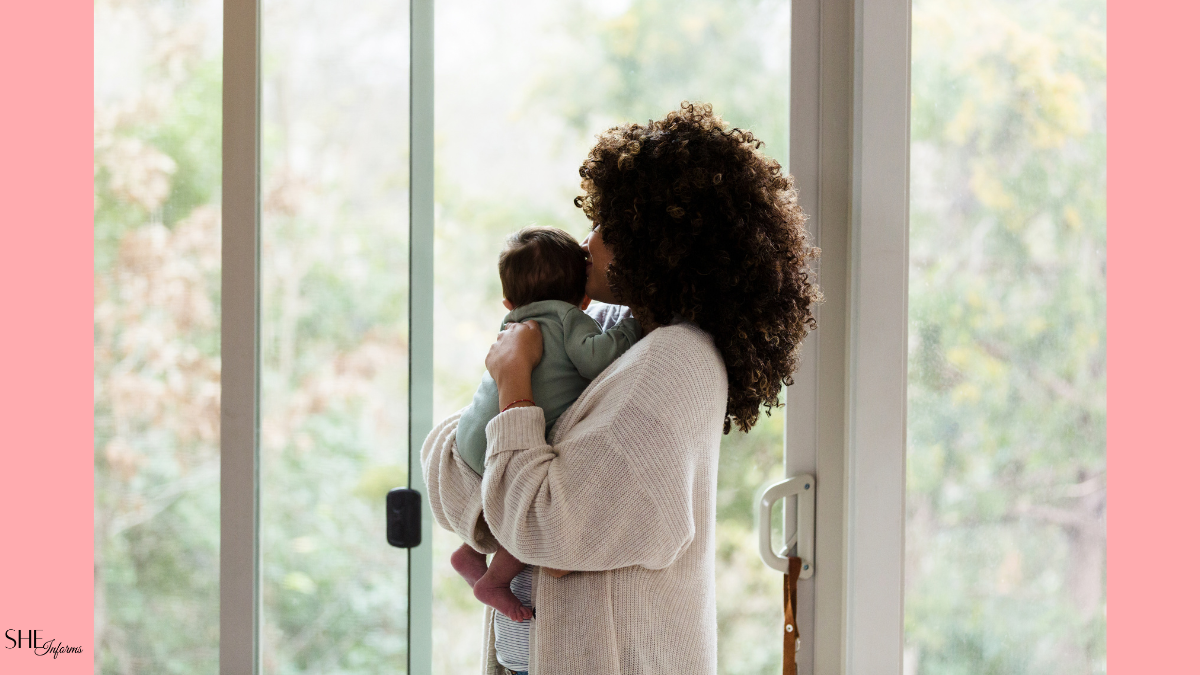
    Remember life before becoming a mom? When making plans meant a quick text and showing up wherever, whenever? When conversations flowed freely without tiny interruptions or the constant mental math of bedtimes and babysitter costs? If you’re nodding along while bouncing a baby or negotiating with a toddler, you’re experiencing one of motherhood’s less talked-about challenges: the friendship shift.

    It starts subtly. Maybe you decline a few happy hours because you’re exhausted, or you leave early from gatherings because your pumping schedules wait for no one. Your childless friends might roll with it at first, but as the pattern continues, something changes. The invitations slow down. Group chats move on without you. It’s not malicious—it’s just the natural drift that happens when life circumstances separate dramatically.

    The Great Divide

    The reality is stark: becoming a mother creates an invisible line between you and friends who haven’t yet reached motherhood. It’s not about love or loyalty—it’s about living in fundamentally different worlds. While your single or childless friends are navigating career moves, travel plans, and weekend adventures, you’re deep in the trenches of sleep deprivation, diaper changes, and the strange pride that comes from successfully leaving the house with everyone wearing matching shoes.

    This divide can feel isolating, especially when you desperately need connection. You might find yourself explaining why you can’t commit to plans more than a day in advance, or why that “quick coffee” needs to happen between 10 AM and noon when the baby naps. Sometimes it feels easier to stop trying.

    The New Group

    But here’s what often happens next after becoming a mom: you start finding your people in unexpected places. The mom at story time who also looks like she forgot to brush her teeth. The neighbor who waves sympathetically as you wrestle a screaming toddler into a car seat. The woman in your birthing class who texts you at 3 AM because she knows you’re probably awake too.

    These new friendships form differently than your pre-kid relationships. They’re born from shared survival, mutual understanding, and the beautiful relief of being around someone who doesn’t judge you for having Goldfish crackers permanently embedded in your purse. Conversations might be interrupted by small people demanding snacks, but there’s an acceptance there that didn’t exist before.

    Quality Over Quantity

    The friendship shift isn’t just about losing some relationships and gaining others—it’s about fundamentally changing what you need from friendship. Pre-motherhood, you might have had energy for maintaining dozens of casual friendships. Now, you’re drawn to deeper connections with fewer people who truly understand your current season of life.

    You learn to appreciate the friend who brings coffee when she visits instead of expecting you to host. The one who doesn’t mind if your conversation happens while you’re folding laundry or pushing swings at the playground. The friend who celebrates small victories with you, like everyone napping at the same time or making it through Target without a meltdown (from anyone).

    Preserving What Matters

    Not all pre-motherhood friendships have to fade. The ones worth keeping are the friends who evolve with you, who ask about your kids but also remember you’re still a whole person with thoughts beyond pediatric schedules. They’re the ones who suggest meeting for lunch instead of late dinners, who understand when you need to reschedule, and who remind you of who you were before you became “mom.”

    These friendships now require more intentional effort. Instead of spontaneous hangouts, you schedule coffee dates like business meetings. You might text more and call less, or have deeper conversations in shorter bursts. It’s different, but it can be just as meaningful.

    Embracing the Evolution

    The shift in friendship can feel like a loss, and in some ways, it is. You’re mourning the ease of your previous social life, the spontaneity, the version of yourself who could be completely present without mental checklists running in the background. That grief is real and valid.

    However, you’re also creating space for relationships that align with your current reality. Friendships built on understanding, flexibility, and shared experience in this wild journey of raising tiny humans. These connections might look different from what you had before, but they’re precisely what you need now.

    The friendship shift isn’t a failure or a settling; you’re evolving. You’re not losing yourself; you’re finding the people who see and celebrate who you’re becoming. And that’s not just OK—it’s exactly as it should be.

  • 10 Important Questions to Discuss Before Moving in Together

    10 Important Questions to Discuss Before Moving in Together

    Moving in together is a big step in any relationship, and it’s important to make sure you are fully prepared. Before taking the plunge, there are certain questions you should be asking each other to ensure that you’re on the same page.

    It is essential to discuss your long-term goals and expectations. Do you both envision this as a temporary living arrangement, or as the first step towards marriage? Understanding each other’s goals will help you avoid potential conflicts down the road.

    Secondly, finances should be a topic of conversation. Discussing your financial expectations will help set a solid foundation for your shared living expenses. Establishing clear expectations for household responsibilities will also help prevent future disputes.

    These are just a few of the important things you should be discussing before moving in together. By thoroughly discussing these topics, you will set yourselves up for a successful and harmonious living arrangement. So, don’t rush the decision – take the time to address these questions and ensure you’re ready to take this next step in your relationship.

    The significance of moving in together

    Moving in together is a major milestone in a relationship. It signifies a new level of commitment and can bring you closer as a couple. However, it’s crucial to approach this decision with care and consideration. By asking the right questions and having open, honest conversations, you can ensure that you are making an informed decision that is right for both of you.

    1. Are we ready for this step?

    The first question you should ask yourselves is whether you are ready to take this step. Moving in together is a big commitment and should not be taken lightly. Take the time to evaluate your relationship and ensure you are both ready to take this next step. Consider factors such as the length of your relationship, your level of compatibility, and your overall emotional readiness.

    2. What are our long-term goals?

    Before moving in together, discussing your long-term goals and expectations is essential. Do you both see this as a temporary living arrangement, or as the first step towards marriage? If you have different long-term goals, it’s good to discuss them openly and honestly and determine if you can find a compromise that works for both of you.

    3. How will we handle finances?

    Finances can be a major source of stress in any relationship. Before moving in together, it’s crucial to have a straightforward discussion about your financial expectations. Will you split all household expenses equally, or will you contribute based on each other’s income? Will you have a joint bank account or keep your finances separate? Establishing clear expectations for household expenses and financial responsibilities will help prevent future disputes.

    4. How will household chores be divided?

    Living together means sharing household chores, and it’s important to establish a system that works for both of you. Discuss how you will divide the household chores and responsibilities. Who will do what? It’s also important to discuss your expectations for cleanliness. By setting clear expectations from the beginning, you can avoid potential conflicts and ensure a harmonious living environment.

    5. How will we handle conflicts and disagreements?

    No relationship is without disagreements, so it’s always good to have a plan for handling conflicts when they arise. Will you make an intention to always communicate openly and honestly with each other? How will you resolve conflicts and find common ground? Establishing effective communication strategies and conflict-resolution techniques will help you resolve any disagreement that may arise when living together.

    6. What are our expectations for personal space and alone time?

    Living together means sharing space, but it’s important to respect each other’s need for personal space and alone time. Discuss your expectations for personal freedom and how you will create boundaries within your shared living space. It’s important to find a balance that allows each of you to have the privacy and alone time you need to recharge and maintain your individual identities within the relationship.

    7. How will we handle visits from family and friends?

    When you live together, it’s inevitable that family and friends will want to visit. Discuss how you will handle visits from family and friends. Will you have a guest room or a designated space for guests? How often will you be comfortable hosting guests? Sometimes guests are not always wanted. Make sure to ask if it’s okay if someone comes over. Remember, it’s their space just as it is yours.

    8. What are our thoughts on marriage and children?

    Moving in together is a step towards building a life together, so it’s important to discuss your thoughts and plans for marriage and children. Are you both on the same page when it comes to these major life milestones? It’s crucial to have open and honest discussions about your expectations for the future and ensure that you are both heading in the same direction. So that no one wastes their time.

    9. Are we prepared for potential changes in our relationship?

    Moving in together can bring about changes in your relationship dynamic. How you will navigate these changes and ensure that you maintain a healthy and balanced relationship. It’s important to be prepared for the adjustments that come with living together and to approach them with patience, understanding, and a willingness to adapt.

    10. What is our backup plan if things don’t work out?

    While it’s not pleasant to think about, it’s important to have a backup plan in case things don’t work out. Discuss what will happen if you decide to break up or go your separate ways. It’s important to have a plan for separating your belongings, finding new living arrangements, and moving forward as individuals. Having a backup plan in place can provide peace of mind and help alleviate some of the stress and uncertainty that may come with the decision to move in together.

    Moving in together is a big step in any relationship, and it’s important to approach it with open communication and a willingness to address important questions. By thoroughly discussing these topics, you will set yourselves up for a successful and pleasant living arrangement. So, don’t rush the decision – take the time to address these questions and ensure you’re ready to take this next step in your relationship.