
Okay, let’s talk about something that’s been bugging me forever. You know how we’re always told to just “power through” our periods and keep hitting the gym like nothing’s happening? Like, our bodies aren’t literally going through a monthly renovation project? Well, I’m here to tell you that’s total BS.
Your hormones aren’t some annoying roadblock to your fitness goals; they’re actually like having a personal trainer who knows exactly what your body needs and when. Wild concept, right? Once you start working with your cycle instead of against it, everything changes. And I mean everything.
Let’s Break Down Your Monthly Rollercoaster
So your cycle is basically a 28-day hormone party (give or take—some of us are rebels with 25 or 35-day cycles, and that’s totally normal). There are four main phases, and each one is like your body switching into a different gear. Here’s the real tea on what’s happening:
Menstrual Phase (Days 1-5): Your Body’s “Nope” Phase
Girl, your estrogen and progesterone just fell off a cliff, and honestly? Your body is DONE. This is when you feel like you’ve been hit by a truck, and surprise—there’s a totally legit biological reason for that.
What actually works: Forget the guilt about skipping your HIIT class. This is yoga and Netflix season. Think gentle walks, some stretching that feels good, maybe some easy swimming if you’re feeling it. And here’s a fun fact: light movement can actually help with those killer cramps because it gets your blood flowing.
Real talk: Some women feel amazing during their menstrual cycle (I’m genuinely jealous), while others need to hibernate. Both are completely normal. Stop comparing yourself to the girl who somehow PRs during her period because that’s not you, and that’s okay.
Follicular Phase (Days 6-14): Your “I Can Do Anything” Era
This is when your estrogen starts climbing back up, and suddenly you remember what it feels like to be human again. You’ve got energy, motivation, and honestly? You’re probably feeling pretty badass.
Time to shine: Remember that workout class that seemed impossible last week? Now’s your time. Your pain tolerance is higher, your coordination is on point, and your body is basically begging you to challenge it.
Go for it: This is your green light for increasing weights, trying new exercises, or finally attempting that pull-up you’ve been working toward. Your body is in full “let’s grow and get stronger” mode.
Ovulatory Phase (Days 15-17): Basically Superhuman
Okay, this is when estrogen hits its peak and you feel like you could literally lift a car. Many women don’t even realize this is a thing, but you’ve probably noticed a few days each month when you feel unstoppable—that’s this phase.
Channel your inner Wonder Woman: This is PR territory. Go for those heavy lifts, crush that cardio, dominate that tennis match. Your body is biochemically set up for peak performance right now.
Don’t waste it: If you’ve been putting off testing your limits, now’s the time. Your strength, endurance, and confidence are all firing on all cylinders.
Luteal Phase (Days 18-28): The Misunderstood MVP
Ah, the luteal phase—aka the phase of the menstrual cycle everyone loves to hate. But here’s what nobody tells you: your body is actually burning more calories just sitting around during this time. Like, literal extra calories for doing nothing. Cool, right?
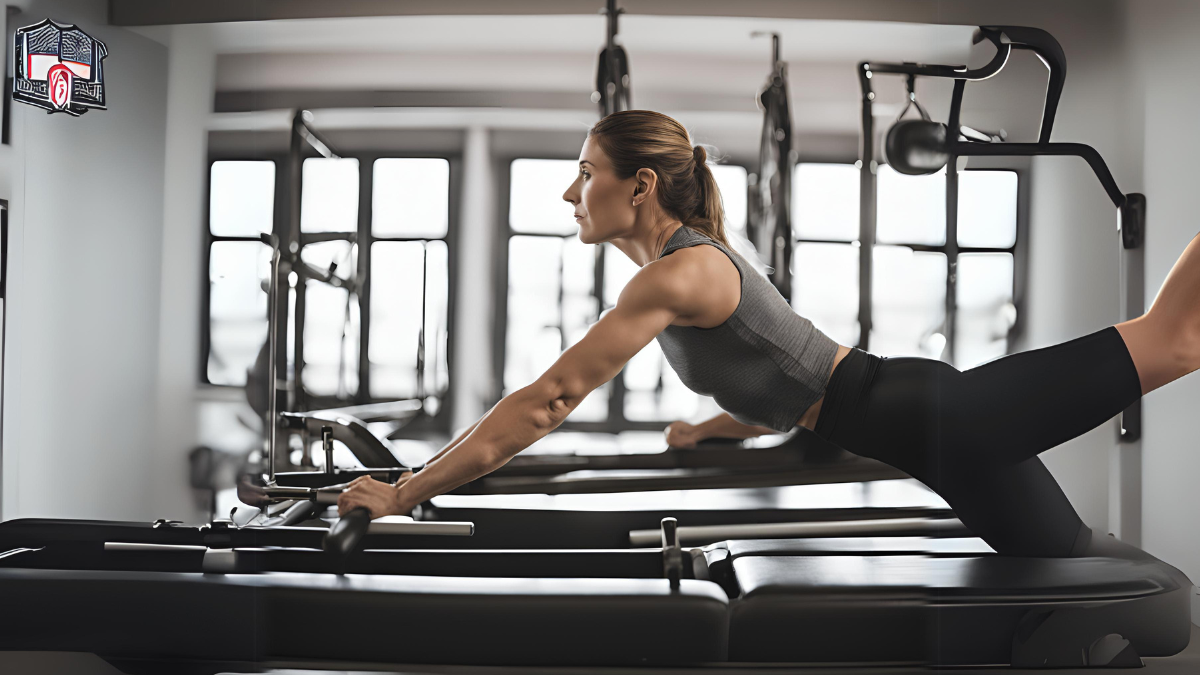
What works best: You might not feel like crushing a HIIT workout, but this is perfect for steady strength training, longer walks, Pilates, or that hiking trail you’ve been meaning to try. Think consistent effort rather than intense bursts.
Pro tip: You’ll probably need to warm up longer (your body temp is higher), and don’t be surprised if you need more rest between sets. Your body isn’t being lazy—it’s just operating differently.
And Can We Talk About Food for a Sec?
Your body’s nutritional needs are on their own little rollercoaster too. That week before your period when you want to eat everything in sight? That’s not you being “bad”—your metabolism literally speeds up by about 10%. Your body is asking for more fuel because it needs more fuel.
Those chocolate cravings? Your magnesium needs just went up. Feeling exhausted during your period? Hello, iron deficiency. Start paying attention to what your body is asking for instead of fighting it, and you might be surprised at how much better you feel.
The Game-Changer: It’s All in Your Head (In the Best Way)
Here’s what nobody prepared me for: once you start seeing your hormones as information instead of obstacles, everything shifts. That day when you had zero motivation to work out? It wasn’t you being lazy—your progesterone was telling your body to chill. The day you felt like you could conquer the world? Your estrogen was giving you a biological pep talk.
This changes everything because instead of feeling guilty about your “inconsistent” workouts, you start to see the beautiful pattern your body has been following all along. You stop beating yourself up and start working with your natural rhythm.
So, How Do You Actually Start?
Honestly? Just start paying attention. For the next 2-3 months, track your menstrual cycle and jot down how you feel energy-wise. When do you feel like a fitness goddess? When do you feel like you need to hibernate? There are fancy apps for this, but honestly, your regular calendar works fine.
Keep in mind that if you’re on birth control, your natural hormone party is a bit different, and that’s totally okay. And remember—some women feel energized during their period while others are completely wiped out. There’s no “right” way to experience your cycle, so don’t try to force yourself into someone else’s pattern.
The Real Talk Conclusion
Look, training with your cycle isn’t some new-age wellness trend—it’s just basic biology. Your body has been giving you hints about what it needs all along; we’ve just been taught to ignore them.
This isn’t about using your period as an excuse to skip workouts (though honestly, if you need a rest day, take it). It’s about working smarter instead of harder. When you stop fighting your natural rhythms and start flowing with them, you’ll probably find that you’re stronger, more consistent, and way less frustrated with your fitness journey.
Your menstrual cycle isn’t something to overcome—it’s your secret weapon. Time to start using it.