Category: Health

  • The Mental Health Cost of  High-Functioning Anxiety in Women

    The Mental Health Cost of High-Functioning Anxiety in Women

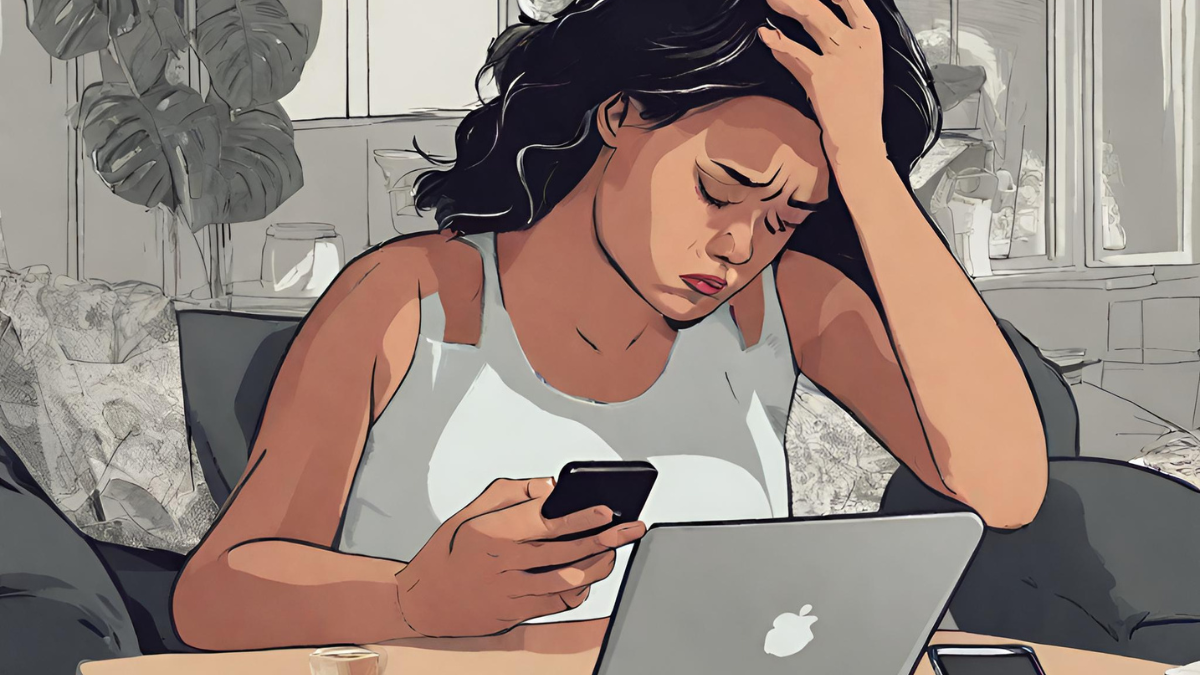
    She’s productive. She’s dependable. She looks calm under pressure, even when her mind never stops racing. High functioning anxiety in women is often praised, rewarded, and overlooked. From the outside, it looks like ambition and discipline. On the inside, it can feel like constant tension, overthinking, and emotional exhaustion.

    Advertisements

    What is high-functioning anxiety?

    High-functioning anxiety isn’t a clinical diagnosis, but it’s a widely recognized experience, especially among women.

    It describes people who:

    • Appear successful, organized, and composed
    • Meet deadlines and responsibilities consistently
    • Function well in work and relationships
    • Experience chronic anxiety beneath the surface

    Women with high-functioning anxiety often push through their symptoms rather than outwardly struggling. Because they’re still “doing well,” their anxiety frequently goes unnoticed even by themselves.

    Why high-functioning anxiety is so common in women

    Women are often socialized to be:

    • Accommodating
    • Emotionally aware
    • Responsible
    • High-achieving without appearing overwhelmed

    From a young age, many women learn that anxiety is acceptable as long as it fuels productivity. Worry becomes preparation. Fear becomes motivation. Stress becomes normal. For most women, over time, anxiety isn’t seen as a problem; it becomes part of their identity.

    What high-functioning anxiety looks like day to day

    High-functioning anxiety doesn’t always involve panic attacks or avoidance. Instead, it often shows up as:

    • Overthinking every decision
    • Replaying conversations in your head
    • Difficulty relaxing or resting
    • Perfectionism and fear of failure
    • Constant mental to-do lists
    • People-pleasing tendencies
    • Trouble sleeping despite exhaustion

    Many women don’t recognize these patterns as anxiety because they’re so intertwined with success.

    The mental health cost no one talks about

    While high-functioning anxiety may help women perform, it often comes at a significant mental health cost.

    Chronic Stress and Burnout

    Living in a constant state of alertness puts the nervous system under pressure. Over time, this leads to:

    • Emotional fatigue
    • Brain fog
    • Irritability
    • Decreased motivation
    • Physical symptoms like headaches or stomach issues

    Burnout often sneaks up on high-functioning women because they’re used to pushing through discomfort.

    Advertisements

    Anxiety Turning Inward

    Because high-functioning women appear capable, they often internalize their anxiety instead of expressing it.

    This can lead to:

    • Self-criticism
    • Feelings of inadequacy despite success
    • Guilt for resting
    • Fear of disappointing others

    You may look confident externally while battling constant self-doubt internally.

    Depression Hidden Behind Productivity

    High-functioning anxiety can coexist with depression, especially when women feel trapped in a cycle of performance without fulfillment.

    You might still show up and succeed, but feel:

    • Emotionally numb
    • Disconnected from joy
    • Like you’re just going through the motions
    • Unmotivated once the pressure is gone

    Because productivity continues, the emotional struggle is easy to dismiss.

    Why women with high-functioning anxiety rarely ask for help

    Many women delay seeking support because:

    • They don’t want to feel like a burden
    • Others rely on them
    • They fear losing control
    • They’re praised for being strong
    • They don’t want to seem ungrateful or weak

    There’s also a fear that slowing down means everything will fall apart, so they keep going, even when it’s hurting them.

    Advertisements

    When anxiety becomes a personality trait

    One of the most dangerous aspects of high-functioning anxiety is when it becomes normalized.

    You may hear:

    • “You’re just driven.”
    • “You always handle things so well.”
    • “You’re so on top of everything.”

    Eventually, anxiety feels inseparable from success. Rest feels uncomfortable. Calm feels unfamiliar.

    Healing without losing your ambition

    Healing from high-functioning anxiety doesn’t mean giving up your goals. It means redefining how you pursue them.

    Support and healing can look like:

    • Therapy or counseling
    • Learning nervous system regulation
    • Setting boundaries without over-explaining
    • Allowing rest without guilt
    • Challenging perfectionist thinking
    • Letting yourself be supported

    You don’t have to wait until you’re falling apart to deserve help.

    You don’t have to be anxious to be successful

    One of the biggest lies high-functioning women believe is that anxiety is the reason they succeed.

    In reality:

    • You can be disciplined without being stressed
    • You can be ambitious without being anxious
    • You can be successful without being constantly overwhelmed

    Your worth is not tied to how much pressure you can endure. High-functioning anxiety in women is often invisible, but its impact is real.

    If you see yourself in this, know this:
    You are not weak for struggling. You are not dramatic for needing rest, nor are you broken because anxiety followed you into success.

    You deserve peace and purpose — not one at the expense of the other.
    Advertisements
  • Working Out With Your Menstrual Cycle Instead of Against It

    Working Out With Your Menstrual Cycle Instead of Against It

    menstrual cycle

    Okay, let’s talk about something that’s been bugging me forever. You know how we’re always told to just “power through” our periods and keep hitting the gym like nothing’s happening? Like, our bodies aren’t literally going through a monthly renovation project? Well, I’m here to tell you that’s total BS.

    Your hormones aren’t some annoying roadblock to your fitness goals; they’re actually like having a personal trainer who knows exactly what your body needs and when. Wild concept, right? Once you start working with your cycle instead of against it, everything changes. And I mean everything.

    Advertisements

    Let’s Break Down Your Monthly Rollercoaster

    So your cycle is basically a 28-day hormone party (give or take—some of us are rebels with 25 or 35-day cycles, and that’s totally normal). There are four main phases, and each one is like your body switching into a different gear. Here’s the real tea on what’s happening:

    Menstrual Phase (Days 1-5): Your Body’s “Nope” Phase

    Girl, your estrogen and progesterone just fell off a cliff, and honestly? Your body is DONE. This is when you feel like you’ve been hit by a truck, and surprise—there’s a totally legit biological reason for that.

    What actually works: Forget the guilt about skipping your HIIT class. This is yoga and Netflix season. Think gentle walks, some stretching that feels good, maybe some easy swimming if you’re feeling it. And here’s a fun fact: light movement can actually help with those killer cramps because it gets your blood flowing.

    Real talk: Some women feel amazing during their menstrual cycle (I’m genuinely jealous), while others need to hibernate. Both are completely normal. Stop comparing yourself to the girl who somehow PRs during her period because that’s not you, and that’s okay.

    Follicular Phase (Days 6-14): Your “I Can Do Anything” Era

    This is when your estrogen starts climbing back up, and suddenly you remember what it feels like to be human again. You’ve got energy, motivation, and honestly? You’re probably feeling pretty badass.

    Time to shine: Remember that workout class that seemed impossible last week? Now’s your time. Your pain tolerance is higher, your coordination is on point, and your body is basically begging you to challenge it.

    Advertisements

    Go for it: This is your green light for increasing weights, trying new exercises, or finally attempting that pull-up you’ve been working toward. Your body is in full “let’s grow and get stronger” mode.

    Ovulatory Phase (Days 15-17): Basically Superhuman

    Okay, this is when estrogen hits its peak and you feel like you could literally lift a car. Many women don’t even realize this is a thing, but you’ve probably noticed a few days each month when you feel unstoppable—that’s this phase.

    Channel your inner Wonder Woman: This is PR territory. Go for those heavy lifts, crush that cardio, dominate that tennis match. Your body is biochemically set up for peak performance right now.

    Don’t waste it: If you’ve been putting off testing your limits, now’s the time. Your strength, endurance, and confidence are all firing on all cylinders.

    Luteal Phase (Days 18-28): The Misunderstood MVP

    Ah, the luteal phase—aka the phase of the menstrual cycle everyone loves to hate. But here’s what nobody tells you: your body is actually burning more calories just sitting around during this time. Like, literal extra calories for doing nothing. Cool, right?

    What works best: You might not feel like crushing a HIIT workout, but this is perfect for steady strength training, longer walks, Pilates, or that hiking trail you’ve been meaning to try. Think consistent effort rather than intense bursts.

    Pro tip: You’ll probably need to warm up longer (your body temp is higher), and don’t be surprised if you need more rest between sets. Your body isn’t being lazy—it’s just operating differently.

    Advertisements

    And Can We Talk About Food for a Sec?

    Your body’s nutritional needs are on their own little rollercoaster too. That week before your period when you want to eat everything in sight? That’s not you being “bad”—your metabolism literally speeds up by about 10%. Your body is asking for more fuel because it needs more fuel.

    Those chocolate cravings? Your magnesium needs just went up. Feeling exhausted during your period? Hello, iron deficiency. Start paying attention to what your body is asking for instead of fighting it, and you might be surprised at how much better you feel.

    The Game-Changer: It’s All in Your Head (In the Best Way)

    Here’s what nobody prepared me for: once you start seeing your hormones as information instead of obstacles, everything shifts. That day when you had zero motivation to work out? It wasn’t you being lazy—your progesterone was telling your body to chill. The day you felt like you could conquer the world? Your estrogen was giving you a biological pep talk.

    This changes everything because instead of feeling guilty about your “inconsistent” workouts, you start to see the beautiful pattern your body has been following all along. You stop beating yourself up and start working with your natural rhythm.

    So, How Do You Actually Start?

    Honestly? Just start paying attention. For the next 2-3 months, track your menstrual cycle and jot down how you feel energy-wise. When do you feel like a fitness goddess? When do you feel like you need to hibernate? There are fancy apps for this, but honestly, your regular calendar works fine.

    Keep in mind that if you’re on birth control, your natural hormone party is a bit different, and that’s totally okay. And remember—some women feel energized during their period while others are completely wiped out. There’s no “right” way to experience your cycle, so don’t try to force yourself into someone else’s pattern.

    The Real Talk Conclusion

    Look, training with your cycle isn’t some new-age wellness trend—it’s just basic biology. Your body has been giving you hints about what it needs all along; we’ve just been taught to ignore them.

    This isn’t about using your period as an excuse to skip workouts (though honestly, if you need a rest day, take it). It’s about working smarter instead of harder. When you stop fighting your natural rhythms and start flowing with them, you’ll probably find that you’re stronger, more consistent, and way less frustrated with your fitness journey.

    Your menstrual cycle isn’t something to overcome—it’s your secret weapon. Time to start using it.

    Advertisements
  • How Positive Affirmations Rewire Your Brain

    How Positive Affirmations Rewire Your Brain

    In a world filled with constant challenges and negative self-talk, positive affirmations have appeared to be a powerful tool for mental health. But are they just feel-good phrases, or is there actual science behind their effectiveness? Research suggests that regularly practicing positive affirmations can literally rewire your brain, creating pathways that support improved mental health, enhanced performance, and greater stability.

    What Are Positive Affirmations?

    Positive affirmations are brief, powerful statements that, when repeated regularly, can help overcome negative thoughts and encourage positive change. Simple phrases—such as “I am capable,” “I deserve success,” or “I handle challenges with ease”—work by challenging and replacing self-sabotaging thoughts with more constructive ones.

    Examples of Effective Affirmations:

    • “I am worthy of love and respect.”
    • “My potential to succeed is endless.”
    • “I embrace challenges as opportunities for growth.”
    • “My thoughts and feelings are valid.”
    • “I am in charge of how I feel today”
    Advertisements

    The Neuroscience Behind Affirmations

    Your Brain’s Remarkable Ability to Change

    The science of positive affirmations is rooted in neuroplasticity—the brain’s ability to reorganize itself by forming new neural connections. When you consistently practice affirmations, you’re not just repeating words; you’re actually creating and strengthening specific neural pathways.

    Dr. Michael Merzenich, a pioneer in neuroplasticity research, explains: “The brain is constantly remodeling its circuits based on what we practice.” Regular affirmation practice essentially gives your brain a new pattern to follow, gradually replacing negative thought loops with positive ones.

    Breaking the Stress Cycle

    Chronic stress and negative thinking trigger the release of cortisol, the body’s primary stress hormone. Over time, elevated cortisol levels can damage the hippocampus, the brain region essential for learning and memory.

    Positive affirmations have been shown to reduce cortisol production. A study from Carnegie Mellon University found that participants who practiced affirmations before stressful situations had lower cortisol responses, suggesting that affirmations can buffer the brain against the damaging effects of stress.

    Stress-Reducing Affirmations:

    • “I breathe in calm and breathe out tension.”
    • “This moment is temporary, and I can handle it.”
    • “I release the need to control everything.”
    • “My mind is calm, my body is relaxed.”
    • “I choose peace over worry.”

    How to Make Affirmations Work for You

    1. Make Them Present-Tense and Personal

    Effective affirmations are stated as if they’re already true and begin with “I” statements. Rather than saying “I will be confident,” say “I am confident.”

    Examples:

    • Instead of “I will get better at public speaking,” use “I am a confident and engaging speaker.”
    • Instead of “I hope to be successful,” use “I am successful in everything I undertake.”
    • Instead of saying, “I want to be healthy,” try using “I make choices that nourish my body and mind.”
    Advertisements

    2. Keep Them Realistic Yet Positive

    The most effective affirmations strike a balance between being aspirational and believable. If your affirmation feels entirely untrue for you, your brain may reject it.

    Examples of Balanced Affirmations:

    • “I am making progress every day” (rather than “I am perfect”)
    • “I am learning to love my body” (rather than “I have the perfect body”)
    • “I am becoming more confident in social situations” (rather than “I never feel anxiety”)

    3. Add Emotional Engagement

    Affirmations are more effective when they stimulate emotions. Try to feel the positive emotion behind your affirmation as you say it.

    Emotionally Engaging Affirmations:

    • “I feel joy spreading through me with every breath.”
    • “I am filled with gratitude for all the abundance in my life.”
    • “I radiate confidence, strength, and personal power.”
    • “I feel deeply connected to my purpose.”
    • “I experience peace and harmony in all my relationships.”

    4. Practice Consistently

    Neuroplasticity requires repetition. Incorporate affirmations into your daily routine—perhaps during morning meditation/prayer, while looking in the mirror, or before challenging situations.

    5. Combine with Visualization

    Pairing affirmations with visualization enhances their effectiveness by engaging multiple brain regions simultaneously. As you recite your affirmation, visualize yourself embodying that statement.

    Enhanced Problem-Solving Abilities

    A fascinating study from the University of California showed that affirmation practice improved problem-solving abilities under pressure. Participants who affirmed their core values before performing difficult tasks performed significantly better than the control group.

    Problem-Solving Affirmations:

    • “My mind is creative and comes up with innovative solutions.”
    • “I approach problems with clarity and confidence.”
    • “I see challenges from multiple perspectives.”
    • “I am resourceful and always find a way forward.”
    • “My intelligence expands when I face difficult problems.”

    Increased Resilience to Criticism

    Positive affirmations can create a psychological buffer against criticism. When you regularly affirm your worth, your brain becomes less reactive to perceived threats to your self-image.

    Resilience Affirmations:

    • “I value feedback as a tool for growth.”
    • “I separate who I am from what others think of me.”
    • “I am secure in my worth regardless of others’ opinions.”
    • “I choose which feedback to accept and which to release.”
    • “My self-worth is not determined by others’ judgments.”

    Greater Self-Compassion

    Regular practice of self-affirming statements has been linked to increased activity in brain areas associated with self-compassion and lowered activity in areas related to self-criticism.

    Self-Compassion Affirmations:

    • “I treat myself with the same kindness I offer others.”
    • “I am gentle with myself when I make mistakes.”
    • “I deserve patience and understanding, especially from myself.”
    • “I embrace my imperfections as part of being human.”
    • “I forgive myself completely and love myself fully.”

    Common Misconceptions About Affirmations

    “Affirmations Are Just Positive Thinking”

    While positive thinking is essential, affirmations take it a step further. They actively reshape neural pathways through repetition and emotional engagement—a process more akin to mental training than simply “thinking happy thoughts.”

    “Results Should Be Immediate”

    Neural rewiring takes time. Most neuroscience research suggests that forming new habits and thought patterns requires consistent practice over weeks or months, not days.

    Affirmations for Specific Life Areas

    Career and Professional Growth

    • “I am skilled and capable in my work.”
    • “I contribute unique value to my workplace.”
    • “I communicate my ideas with confidence and clarity.”
    • “I attract opportunities that align with my talents.”
    • “Each challenge in my career helps me grow stronger.”

    Health and Wellness

    • “My body is strong, healthy, and full of energy.”
    • “I make choices that nourish my body and mind.”
    • “I am in tune with my body’s needs.”
    • “I prioritize my health and well-being.”
    • “Every cell in my body radiates health and vitality.”

    Relationships

    • “I attract positive and supportive relationships.”
    • “I communicate openly and honestly with others.”
    • “I am worthy of love and healthy connections.”
    • “I set clear boundaries that others respect.”
    • “I bring joy and value to all my relationships.”

    Financial Well-being

    • “Money flows to me easily and abundantly.”
    • “I make wise financial decisions.”
    • “I am worthy of prosperity and abundance.”
    • “My financial situation improves every day.”
    • “I have a healthy relationship with money.”

    Integrating Affirmations Into Your Daily Life

    Begin with 3-5 minutes of daily affirmation practice. Many people find that writing affirmations in a journal reinforces their impact.

    As neuroscientist Dr. Andrew Newberg puts it, “Words can literally change your brain.” Through regular affirmation practice, you’re not just adopting a more positive mindset—you’re physically rewiring your brain for greater well-being and success.

    Start today with one simple, meaningful affirmation. Your brain—and your life—will thank you.

  • Essential Health Screenings and Check-ups Every Woman Needs

    Essential Health Screenings and Check-ups Every Woman Needs

    Preventive healthcare is crucial for overall wellness, and for women, specific screenings and check-ups are particularly important at various life stages. Regular screenings can detect potential health issues before they become serious problems, often when treatment is most effective. Here’s a comprehensive guide to the essential health screenings and check-ups every woman should prioritize.

    Advertisements

    General Health Screenings

    Annual Physical Examination

    An annual wellness visit with your primary care physician (PCP) provides a baseline for a woman’s overall health. During this appointment, your doctor will typically:

    • Check vital signs (blood pressure, heart rate, temperature)
    • Update your medical history
    • Perform a physical examination
    • Order appropriate lab tests
    • Discuss any health concerns

    These regular check-ups help establish a relationship with your healthcare provider and create a record of your health patterns over time.

    Blood Pressure Screening

    • Recommendation: At least once every two years if your blood pressure is normal (below 120/80 mm Hg); annually or more frequently if higher.
    • Why it matters: High blood pressure often has no symptoms but can lead to heart disease, stroke, and kidney problems if left untreated.
    Advertisements

    Cholesterol Screening

    Blood Glucose Testing

    • Recommendation: Every three years starting at age 45; earlier and more frequently if you have risk factors for diabetes.
    • Why it matters: Early detection of prediabetes or diabetes allows for lifestyle changes or treatment that can prevent complications.

    Reproductive Health Screenings

    Pap Smear and HPV Testing

    • Recommendation:
      • Ages 21-29: Pap test every 3 years
      • Ages 30-65: Pap test and HPV test every 5 years, or Pap test alone every 3 years
      • After 65: Can discontinue if previous results were normal
    • Why it matters: These tests detect precancerous changes in the cervix, allowing for early intervention before cancer develops.

    Pelvic Examination

    • Recommendation: Annually or as recommended by your healthcare provider
    • Why it matters: Helps identify issues with reproductive organs, including infections, fibroids, cysts, or other abnormalities.

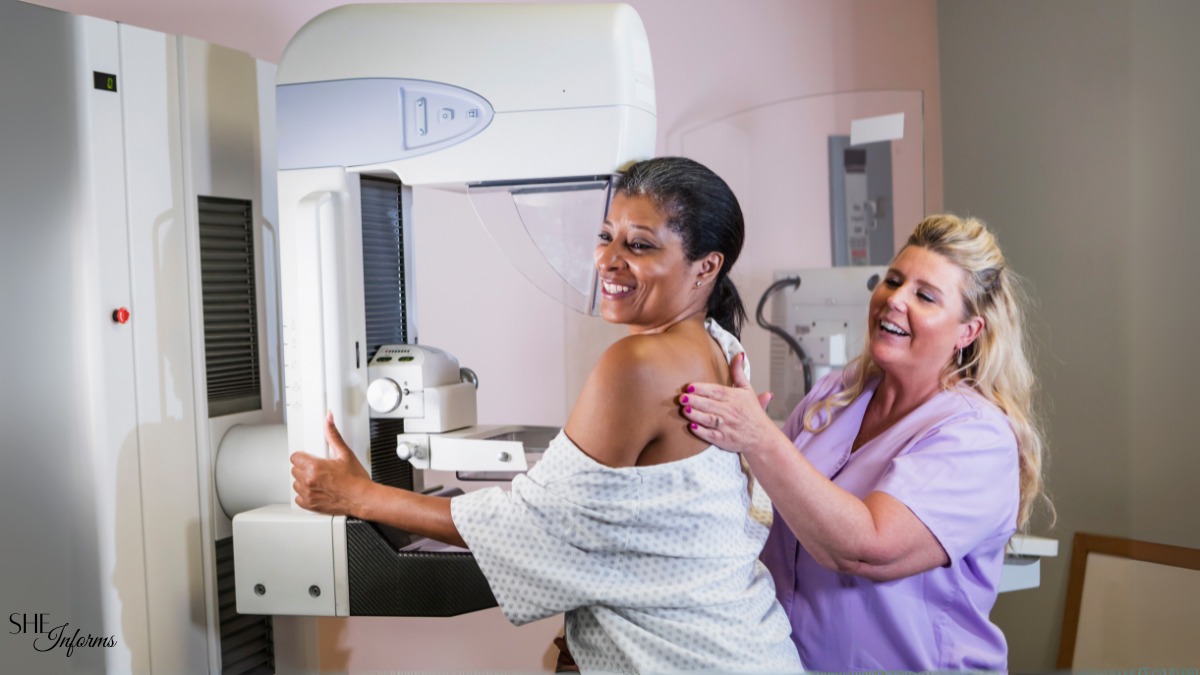
    Breast Health

    • Clinical breast exam: As part of your annual physical or gynecological exam
    • Breast self-awareness: Knowing how your breasts typically look and feel
    • Mammogram:
      • Ages 40-44: Optional annual screening
      • Ages 45-54: Annual screening recommended
      • Ages 55+: Screening every 1-2 years, continuing as long as you’re in good health
      • Earlier or more frequent screening for those with a family history or genetic risk factors
    • Why it matters: Early detection of breast cancer significantly improves treatment outcomes
    Advertisements

    Bone Health

    Bone Density Test (DEXA Scan)

    • Recommendation: Starting at age 65 for most women; earlier for those at higher risk for osteoporosis.
    • Why it matters: Identifies decreasing bone density before fractures occur, allowing for preventive treatment.

    Cancer Screenings

    Colorectal Cancer Screening

    • Recommendation:
      • Regular screening from ages 45-75
      • Options include colonoscopy every 10 years, flexible sigmoidoscopy every 5 years, or stool-based tests annually.
    • Why it matters: Colorectal cancer is highly treatable when caught early

    Skin Cancer Screening

    • Recommendation: Annual skin check with a dermatologist; more frequently if you have risk factors.
    • Why it matters: Early detection of skin cancers, especially melanoma, improves treatment outcomes.

    Lung Cancer Screening

    • Recommendation: Annual low-dose CT scan for women aged 50-80 with a significant smoking history (20 pack-years or more) who currently smoke or have quit within the past 15 years.
    • Why it matters: Detects lung cancer at earlier, more treatable stages.

    Mental Health Screenings

    Depression Screening

    • Recommendation: As part of regular healthcare visits, more frequently if you have risk factors or symptoms.
    • Why it matters: Depression is treatable, but often goes unrecognized without screening.

    Anxiety Assessment

    • Recommendation: During routine healthcare visits or when experiencing symptoms
    • Why it matters: Anxiety disorders respond well to treatment but are often overlooked

    Age-Specific Considerations

    For Women in Their 20s and 30s

    • Focus on reproductive health
    • Establish baseline health measurements
    • STI testing as appropriate
    • Thyroid screening if symptomatic

    For Women in Their 40s and 50s

    • Increased attention to cancer screenings
    • Perimenopause and menopause management
    • Heart health monitoring
    • Eye examinations every 2-4 years

    For Women 60 and Beyond

    • Hearing tests
    • Vision tests, including glaucoma screening
    • Fall risk assessment
    • Memory and cognitive assessments

    Tailoring Screenings to Your Risk Profile

    Your personal screening schedule should be customized based on:

    • Family history
    • Personal medical history
    • Ethnicity (certain conditions are more prevalent in specific populations)
    • Lifestyle factors

    Making Preventive Care a Priority

    Preventive healthcare doesn’t just involve showing up for screenings—it’s a mindset:

    • Keep records of your screening results and dates
    • Set calendar reminders for upcoming screenings
    • Discuss changing recommendations with your healthcare provider
    • Don’t delay seeking care when symptoms arise between scheduled screenings

    Regular health screenings and check-ups are investments in your long-term well-being. By being proactive about preventive care, you can maximize your chances of living a longer, healthier life. Remember that screening recommendations evolve as medical research advances, so maintain open communication with your healthcare providers about the most appropriate screening schedule for your individual needs.

    Advertisements
  • A Step-by-Step Guide to Overcoming Imposter Syndrome

    A Step-by-Step Guide to Overcoming Imposter Syndrome

    Imposter syndrome—that persistent feeling of being a fraud despite evidence of success—affects an estimated 70% of people at some point in their careers. From high-achieving professionals to creative artists, many struggle with the nagging suspicion that they don’t deserve their accomplishments. This comprehensive guide offers practical steps to recognize, understand, and overcome imposter syndrome.

    Understanding the Root Causes

    Advertisements

    Imposter syndrome often stems from a combination of factors: perfectionism, family dynamics, societal pressures, and professional environments. High achievers particularly struggle with this phenomenon, as their success creates more opportunities for self-doubt. Understanding that these feelings are common and identifiable is the first step toward overcoming them.

    Step 1: Reframe Your Thoughts

    Challenge any and all negative self-talk by examining the facts. When you catch yourself thinking, “I just got lucky,” ask yourself:

    • What skills did I use to succeed?
    • What preparation led to this outcome?
    • How did my experience contribute?

    Replace self-diminishing thoughts with more accurate assessments. Instead of “I fooled them,” try “They recognized my capabilities based on my demonstrated skills.” If you put in the work to get where you are and achieve what you’ve achieved, then you are the reason why. If anyone is good enough, it is most definitely you.

    Step 2: Embrace the Journey to Learn

    Accept that no one knows everything. Even experts continuously learn and grow. Shift your perspective from “I should know everything” to “I’m constantly developing my expertise.” This mindset allows you to view challenges as growth opportunities rather than exposures of inadequacy. The more you continue to learn, the more you continue to grow.

    Even the most successful people suffer from imposter syndrome. Tennis star Serena Williams is one of them. She often talks about how it was difficult not to follow in her older sister’s [Venus] footsteps and become her own person. It sounds absurd, but it’s almost refreshing to know that even the biggest of stars deal with real-life struggles.

    Advertisements

    Step 3: Build a Support Network

    Develop relationships with friends, mentors, and peers who can provide perspective and validation. Share your feelings with trusted colleagues—you’ll likely discover they’ve experienced similar doubts. Creating a community where vulnerability is welcomed helps normalize these experiences and provides mutual support.

    Community plays such a crucial part in life as a whole. We must be surrounded by people who will support us, encourage us, push us, and simply do life together. We cannot do life on our own, and if you struggle with imposter syndrome, it can be easy to get in your head with no one around you to challenge your thoughts.

    Step 4: Define Realistic Success

    Set reasonable standards for yourself. Perfectionism often fuels imposter syndrome. Consider:

    • What would you expect from a colleague in your position?
    • Are you holding yourself to impossible standards?
    • How can you measure success more objectively?

    Adjust your expectations to align with realistic professional standards rather than unattainable dreams. I am not saying you should lower your standards, but to be more realistic with your approach. You know what you are capable of. Do not set goals based on someone else’s accomplishments, but rather your own pace of getting where you want to be.

    Step 5: Own Your Expertise

    Practice accepting praise and recognition gracefully. Instead of deflecting compliments, respond with a simple “thank you.” When discussing your work, use confident language that acknowledges your role in success. Replace “I got lucky” with “I worked hard to achieve this.”

    Diminishing yourself and your accomplishments indicates low self-esteem. If you can’t recognize your own potential, why would someone else? It can be challenging to prove yourself when you don’t challenge your own worthiness.

    Step 6: Take Action Despite Doubt

    Don’t wait for confidence to forego action. Develop a habit of moving forward despite uncertainty. Start small:

    • Speak up in meetings even if your contribution isn’t perfect
    • Apply for opportunities even if you don’t meet all the criteria
    • Share your knowledge even as you continue learning

    Each time you act despite imposter feelings, you build strong evidence against your self-doubt.

    Advertisements

    Step 7: Develop a Growth Mindset

    Focus on the process of learning and improving rather than feeling like you’re proving your worth. When facing challenges, ask yourself:

    • What can I learn from this?
    • How will this experience help me grow?
    • What skills am I developing?

    This perspective shifts focus from fear of failure to appreciation of growth opportunities. When situations don’t turn out the way you want them to, know that it is normal and has nothing to do with your capabilities or worthiness. What’s meant for you is what will happen.

    Creating Lasting Change

    Overcoming imposter syndrome is an ongoing process rather than a destination. Progress often follows a pattern of two steps forward and one step back. Be patient with yourself as you implement these strategies. Remember that feeling like an imposter doesn’t make you one—it often signals that you’re pushing beyond your comfort zone and growing professionally.

    Incorporate these steps gradually, focusing on one or two steps at a time. As you build confidence and resilience, you’ll find imposter feelings becoming less frequent and less intense. While these doubts may occasionally resurface, particularly during new challenges or transitions, you’ll have developed the tools to recognize and address them effectively.

    Advertisements
  • Here’s How Experts Say to Combat Seasonal Depression

    Here’s How Experts Say to Combat Seasonal Depression

    With the holidays approaching, seasonal depression is slowly creeping up for a lot of people. Seasonal depression, also known as Seasonal Affective Disorder, is pretty common amongst people around the fall and winter times.

    Let’s be honest – we’ve all experienced those days when the gray skies and endless winter darkness seem to weigh heavily on our spirits. But what happens when those feelings go beyond a simple case of the winter blues? For many women, seasonal depression is a very real and challenging experience that can turn everyday life into an uphill battle.

    There are so many questions: what causes SAD? Why is it only certain times of the year? Why do I have it? Let’s get into it!

    Advertisements

    And here’s something important to know: women are particularly vulnerable to this condition.

    What is Seasonal Affective Disorder (SAD) or Season Depression?

    The National Institution of Mental Health defines SAD as a type of depression characterized by a recurrent seasonal pattern, with symptoms lasting about 4−5 months out of the year. The signs and symptoms of SAD include those associated with depression as well as disorder-specific symptoms that differ for winter-pattern versus summer-pattern SAD.

    There are two types of SAD:

    1. Summer depression-which normally starts late spring and ends in the beginning of fall.
    2. Fall/Winter depression-more common, starts in fall/winter and ends in spring/early summer.

    Why Women Are More Affected

    You might be wondering, “Why me?” The truth is that women face many factors that make seasonal depression more likely:

    • Hormonal rollercoasters that can impact mood and energy.

    Periods and hormonal changes that women often go through can affect our moods. Aside from menstrual hormones-pregnancy, perimenopausal, and premenopausal hormones can affect this.

    • Biological differences in how we process light and brain chemistry.

    Reduced sunlight during winter can dramatically alter the body’s internal clock, leading to hormonal imbalances and mood disturbances.

    • Social and cultural pressures that often leave women carrying emotional burdens.

    Your experience is valid, and you’re not alone. Millions of women navigate these challenging seasonal shifts yearly, and understanding is the first step to feeling better.

    Advertisements

    Seasonal Depression: More Than Just Feeling Sad

    Seasonal depression isn’t just about feeling a little down. It can look like:

    • Struggling to get out of bed in the morning
    • Losing interest in activities you once loved
    • Feeling like you’re moving in slow motion
    • Battling constant fatigue and brain fog
    • Experiencing changes in appetite and sleep patterns
    • Decreased libido
    • Feelings of unworthiness

    It’s important to know that anybody can experience this. The earlier you get help, the better. Depression without treatment can last up to weeks, months, and even years.

    Your Personal Toolkit for Battling Seasonal Depression

    Practical Strategies That Actually Work

    1. Light Up Your Life: Literally! Light therapy can be a game-changer. Think of it as a daily dose of sunshine when the world outside is gray.

      Spending time outside in sunlight can help ease symptoms. Light therapy is a real thing. If you can’t get sunlight daily, find an alternative, like a lamp, or you can research different light sources.

      2. Move Your Body: Exercise isn’t about looking perfect – it’s about feeling better. Even a 20-minute walk can boost your mood significantly.

        Get outside and take a walk! Listen to some music or an inspiring podcast. If you’ve been wanting to get into the gym but don’t have the motivation, this is your sign to get up and go!

        3. Connect and Share: Your feelings are real, and you don’t have to face them alone. Reach out to friends, family, or a support group.

          Talking to someone about how you feel will give you a sense of relief you didn’t know you needed.

          4. Stay away from substances: Alcohol and drugs, legal or illegal, make depression worse. They may help you temporarily but do nothing but hinder you long-term. Physically and emotionally.

          5. Therapy: It’s essential to be aware that everyone goes to therapy. It’s not just for those who are feeling mentally unwell.

          Athletes, married couples, pastors, social workers, police officers, no one is exempt from psychotherapy. Based on specific professions, some individuals are required to go to therapy.

          Advertisements

          When to Reach Out for Help

          Listen to your body and mind. If you’re experiencing:

          • Persistent sadness lasting more than two weeks
          • Significant changes in sleep or eating patterns
          • Thoughts of self-harm or feeling hopeless

          It’s time to talk to a healthcare professional. There’s absolutely no shame in seeking support – it’s a sign of strength, not weakness.

          Every woman’s journey with seasonal depression is unique. Some find relief through therapy, others through medication, and many through a combination of approaches. The most important thing to remember? You have the power to manage your mental health.

          Advertisements

          Practical Self-Care Strategies

          • Create a cozy, comforting environment at home
          • Establish a consistent sleep schedule
          • Eat nutritious, mood-boosting foods
          • Practice mindfulness and stress-reduction techniques
          • Be kind to yourself – you’re doing the best you can

          Why does SAD happen?

          While there are currently no proven scientific reasons for the cause of seasonal depression, some experts believe that it becoming darker outside earlier is what affects people’s moods/feelings. Drastic time changes can alter people’s sleep schedules, work schedules, and circadian rhythms. Less sunlight equals less serotonin, a chemical linked to our brain that affects our mood.

          Some believe SAD in the spring/summer may be linked to societal pressure as there are more events scheduled during that time of the year.

          A Message of Empowerment

          Seasonal depression doesn’t define you. It’s a challenge you’re facing, not a character flaw. Your worth isn’t determined by your ability to feel happy during the darkest months. You are strong, resilient, and capable of finding light – both literally and metaphorically.

          You’ve Got This!

          Remember, seeking help is a sign of strength. Always remember to surround yourself with positive people. Whether it’s talking to a friend, consulting a therapist, or exploring medical options, you have multiple paths to feeling better.

          Disclaimer: This article is a supportive guide, not a substitute for professional medical advice. Always consult healthcare professionals for personalized guidance tailored to your specific needs.

        1. Multivitamins with Magnesium for Healthy Women

          Multivitamins with Magnesium for Healthy Women

          Magnesium is a vitamin involved in over 300 biochemical reactions in the body, making it an important nutrient to include in your daily supplement routine. Let’s explore some of the best multivitamins with magnesium on the market. From popular brands to lesser-known options, I will provide you with a list of multivitamins that deliver the right dosage of magnesium. Whether you’re looking for a specific brand or a specific form of magnesium, I’ve got you covered.

          Importance of magnesium in the body

          One of the primary functions of magnesium is its role in the production of energy. It is a cofactor for enzymes that are responsible for converting food into adenosine triphosphate (ATP), the primary energy currency of the body. Without adequate magnesium, these enzymatic reactions cannot occur efficiently, leading to a decrease in energy production and potential fatigue.

          According to Northwestern Medicine, some benefits of Magnesium include:

          Primarily in your bones, muscles, and non-muscular soft tissue — magnesium is involved in:

          • Muscle and nerve function
          • Blood pressure regulation
          • Blood sugar control
          • Energy production
          • Protein
          • Bone density
          • DNA repair

          Magnesium also plays a crucial role in the regulation of muscle and nerve function. It helps to maintain normal muscle contraction and relaxation, which is essential for proper muscle function and preventing cramping. Furthermore, magnesium is essential for the maintenance of healthy bones and teeth. It is a key component of the mineral matrix that gives bones their strength and density. Sufficient magnesium intake can help to prevent the development of osteoporosis and reduce the risk of bone fractures.

          Believe it or not, according to recent studies, more than 50% of people are magnesium-deficient. People who take magnesium are relaxed, calm, and sharp.

          Common food sources of magnesium

          Magnesium is naturally present in a variety of food sources, making it relatively easy to incorporate into a balanced diet. Some of the most common and readily available food sources of magnesium include:

          1. Whole grains
          2. Leafy green vegetables
          3. Nuts and seeds
          4. Legumes
          5. Avocados
          6. Bananas
          7. Dark chocolate
          8. Milk & Yogurt
          9. Fish

          Incorporating these magnesium-rich foods into your diet can help you meet your daily magnesium needs. However, it’s important to note that the amount of magnesium absorbed from food can vary depending on factors such as the presence of other nutrients, individual absorption rates, and any underlying health conditions.

          Here are a few popular multivitamins that contain magnesium:

          Multivitamins that contain Magnesium

          The recommended daily magnesium intake can vary depending on age, gender, and individual health needs. Here are the general guidelines for the recommended dosage of magnesium in multivitamins:

          Adults (19-30 years):

          • Men: 400-420 mg per day
          • Women: 310-320 mg per day

          Adults (31 years and older):

          • Men: 420-430 mg per day
          • Women: 320-360 mg per day

          Pregnant Women:

          • 350-400 mg per day

          Breastfeeding women:

          • 310-360 mg per day

          It’s important to note that these are the recommended daily intakes, and the actual dosage of magnesium in a multivitamin may vary. When choosing a multivitamin with magnesium, look for one that provides a dosage within the recommended range for your age and gender.

          Additionally, the form of magnesium used in the multivitamin can impact the recommended dosage. For example, more readily absorbable forms of magnesium, such as magnesium glycinate or magnesium citrate, may require a lower dosage compared to less bioavailable forms like magnesium oxide.

          If you have any specific health conditions or concerns, it’s always best to consult with your healthcare provider to determine the appropriate dosage of magnesium for your individual needs. They may recommend a higher or lower dosage based on your specific circumstances.

        2. Exploring the Different Types of Pilates: Mat vs. Reformer

          Exploring the Different Types of Pilates: Mat vs. Reformer

          Whether you’re a fitness enthusiast looking to add variety to your routine or someone in search of a gentle yet effective exercise method, Pilates offers an array of types and benefits to suit your needs. Whether you prefer a more traditional approach or want to incorporate props like resistance bands and stability balls, there’s a Pilates style that will resonate with you.

          Advertisements

          The Benefits of Pilates for Physical Health

          One of the primary benefits of Pilates is its ability to improve physical health by enhancing strength, flexibility, and overall body conditioning. Pilates focuses on developing core strength which improves posture, supports the spine, and reduces the risk of back pain.

          Additionally, to increase strength and endurance, Pilates exercises target specific muscle groups, such as the glutes, thighs, and arms. This increased flexibility can help prevent injuries, reduce muscle tension, and enhance athletic performance.

          Advertisements

          The Benefits of Pilates for Mental Health

          In addition to its physical benefits, Pilates offers numerous advantages for mental health and well-being. The mindful nature of Pilates, which focuses on concentration, control, and breathing, promotes relaxation and stress relief. By engaging in a Pilates session, individuals can alleviate tension, clear their minds, and cultivate a sense of calm and inner peace. The emphasis on breath awareness in Pilates encourages deep, rhythmic breathing that can help reduce anxiety, improve focus, and enhance mental clarity.

          This heightened awareness can lead to improved mental focus, increased self-awareness, and a greater sense of overall well-being. The combination of physical exercise and mental focus in Pilates makes it a holistic practice that nurtures both the body and the mind.

          Advertisements

          Exploring the Different Types of Pilates

          There are several types of Pilates practices, each offering unique benefits and variations to cater your preferences and fitness goals. Mat Pilates is a form of Pilates that focuses on exercises performed on a mat, using body weight resistance to strengthen and tone the muscles.

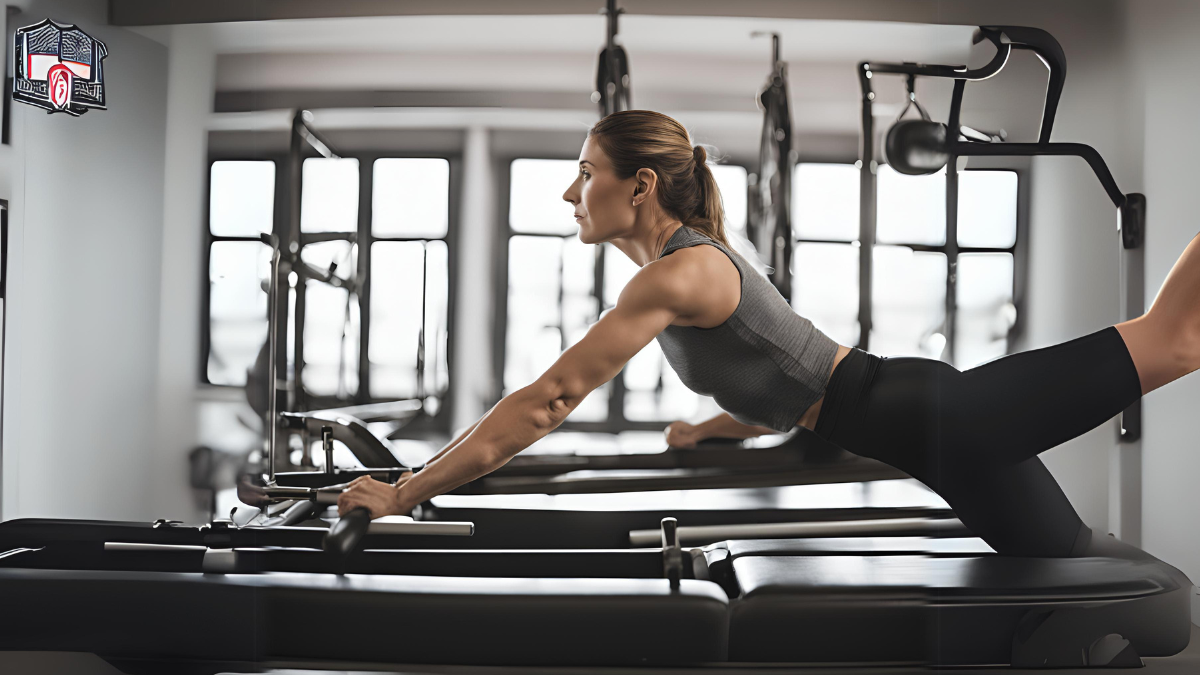
          Reformer Pilates involves exercises performed on a specialized piece of equipment called a reformer, which utilizes springs and pulleys to provide resistance and assistance during movements.

          Clinical Pilates, on the other hand, is a specialized form of Pilates that is often prescribed by healthcare professionals to aid in rehabilitation, injury prevention, and postural correction.

          Advertisements

          Mat Pilates: What It Is and Its Benefits

          Mat Pilates is a form of Pilates that focuses on performing exercises on a mat, using body weight resistance to strengthen and tone the muscles. Pilates exercises with a mat target the core muscles, including the abdominals, obliques, and lower back, to improve core strength, stability, and posture. It also helps support the spine, enhance alignment, and reduce the risk of back pain. The exercises in mat Pilates are designed to promote overall body conditioning, flexibility, and muscle endurance.

          One of the key benefits of mat Pilates is its accessibility, as it can be practiced virtually anywhere with minimal equipment. Whether you are at home, in a studio, or outdoors, mat Pilates offers a convenient and effective way to engage in a full-body workout that targets multiple muscle groups.

          Advertisements

          Reformer Pilates: What It Is and Its Benefits

          Reformer Pilates is a form of Pilates that involves performing exercises on a specialized piece of equipment called a reformer. The reformer consists of a sliding carriage, springs, and pulleys that provide resistance and assistance during movements, creating a challenging and effective workout experience. Reformer Pilates targets specific muscle groups, including the core, arms, legs, and back, to improve strength, flexibility, and overall body conditioning.

          One of the key benefits of reformer Pilates is its ability to provide a full-body workout that promotes muscle toning, increased flexibility, and improved posture. The movements performed on the reformer challenge the body in multiple planes of motion, enhancing balance, coordination, and spatial awareness. Reformer Pilates is suitable for individuals looking to deepen their Pilates practice, challenge their strength and endurance, and experience the transformative effects of equipment-based Pilates.

          Advertisements

          Choosing the Right Type of Pilates for You

          In conclusion, Pilates is a versatile and transformative form of exercise that offers a variety of benefits for both physical and mental health. By understanding the principles of Pilates, exploring its various types, and experiencing its numerous advantages, you can unlock the transformative power of Pilates and enhance your overall physical and mental health.

          Whether you choose to practice mat Pilates for its accessibility and foundational approach or reformer Pilates for its dynamic and challenging workout experience, there is a Pilates style that will cater to your needs and preferences.

        3. Why Taking a Digital Detox is a Prescription for Your Well-Being

          Why Taking a Digital Detox is a Prescription for Your Well-Being

          The internet can sometimes be draining, and spending too much time online can disconnect us from reality. So let’s discuss the importance of a digital detox. When someone decides to take a break from the digital world, it’s not always a bad thing. Most people normally jump to conclusions when they realize someone is taking a digital detox when in reality, it’s something everyone should take part in.

          Advertisements

          What is a Digital Detox?

          Some may define a digital detox as a cure for social anxiety. Very WellMind describes a digital detox as a timeframe where a person refrains from using technology devices such as smartphones, tablets, computers, televisions, and social media sites. Taking a digital detox is simply taking a break from all things technology or social media. Studies have shown that our relationship with technology and social media can have a significant impact on stress and health. Being constantly connected to our personal technology devices, as Psychology Today would describe it, is one of the most signification sources of stress today.

          Advertisements

          Choosing to take a digital detox will not only improve your mental health but it can tremendously decrease a great amount of stress in your life.

          Improves Productivity

          We can get easily distracted and sometimes finds it harder to multitask when we have our digital devices always available at hand. Taking a break allows you to focus on tasks without interruption. When I am having a hard time concentrating on a task because of my phone, I find it easier to concentrate when I put my phone on ‘do not disturb’ or ‘DND’. That way, there are no distractions and I can give my all to the task at hand.

          Helps You Reconnect with the Real World

          Sometimes we become so consumed and out of touch with the real world and what is going on around us. Consuming too much social media can derail how we view the world outside of us. Some people are led to believe they should act or even look a certain way due to societal standards. Causing unnecessary insecurities and unrealistic beauty standards. Losing sight of the complete fact that you are wonderfully and beautifully made just the way you are.

          Advertisements

          Better Time-Management

          Taking a digital detox can specifically help those who have trouble arriving at places on time. For a lot of us, the first thing we do when we wake up in the morning is pick up our phones. We sometimes treat our phones like the morning paper. And, while sometimes it is…It can cause us to get distracted for longer than we intended. Once it becomes a habit we find ourselves getting deeper and deeper into a rabbit hole. Next thing you know you’ve lost track of time and wasted 3 good hours.

          Advertisements

          Reduced Levels of Anxiety and Depression

          Studies show that people who are addicted to their smartphones have significantly increased levels of anxiety versus those who spend less time on their smartphones. As said many times in this article, excessive screen time has been linked to mental health issues since the beginning of the digital era.

          Anyone in the mental health field would describe anxiety as the fear of what’s to come, feeling uncertain is the root of anxiety. You’re probably thinking…”well what does technology have to do with that?”. According to Psychology Today, when we have an unhealthy relationship with social media, posting makes us anxious. We sometimes wonder if we’ll get likes, or what people will think of us, or what if what I post flops? All linking back to anxious thoughts. If we took a step back from the digital world the anxiety will subside.

          Advertisements

          Overall, taking a digital detox is needed every day but if you use your computer daily to run a blog like myself then it can be impossible sometimes. Carve a specific time of day when you’ll restrict your technology use. If it means not using our phone or computer 5 hours before bedtime then so be it. There’s nothing like bettering your mental health with a digital detox. It might even change your life.

        4. How Journaling Can Help Individuals Battling Depression

          How Journaling Can Help Individuals Battling Depression

          In the midst of battling depression, finding effective coping mechanisms can make all the difference. One practice that has proven to be a powerful tool in helping individuals is journaling. By putting pen to paper, you are able to not only express your thoughts and emotions but also gain clarity and a sense of control over your mental state.

          Journaling to help with depression can provide a means of self-reflection, allowing individuals to identify their strengths, achievements, and resilience in the face of depression. By focusing on these positive aspects, journaling can help restore your self-esteem and boost confidence.

          Advertisements

          Journaling to help with depression offers a safe and private space for you to confront and explore your feelings, giving you the opportunity to acknowledge and process your emotions in a healthy way. Through consistent journaling, you can track your progress, identify triggers, and uncover patterns that contribute to your depression. This type of self-awareness allows you to make proactive changes, improve your coping strategies, and ultimately regain a sense of empowerment in your life.

          Benefits of journaling for individuals with depression

          By committing to a regular journaling practice, you can experience significant improvements in your mental health and overall well-being.

          Firstly, journaling provides a sense of release and relief. Often, individuals with depression struggle to articulate their thoughts and emotions, leading to a buildup of internal tension. By writing about your experiences, you can release those pent-up feelings, creating a sense of relief and emotional release. This can be especially helpful when it comes to processing negative emotions such as sadness, anger, or frustration.

          Secondly, journaling offers a means of self-reflection and self-discovery. When you write down your thoughts and emotions, you’re forced to confront yourself in a raw and honest way. This process allows you to gain a deeper understanding of your own inner world, uncovering hidden patterns, beliefs and triggers that contribute to your depression. Through this self-reflection, you can begin to challenge and reframe negative thought patterns, leading to a more positive and empowered mindset.

          Another significant benefit of journaling is its ability to improve overall mood and well-being. By focusing on the positive aspects of your life, you can train your mind to notice and appreciate the good, even in the midst of depression. By regularly documenting moments of gratitude, achievements, and personal growth, you can shift your attention away from negative thoughts and towards a more optimistic outlook. This positive mindset can have a profound impact on mental health, providing you with a sense of hope and resilience.

          Advertisements

          How to start a journaling practice for individuals battling depression

          Starting journaling can be an empowering step towards managing depression and taking control of your mental health. While it may feel overwhelming at first, with a few simple steps, anyone can begin their journaling journey. Here are some tips to help you get started:

          1. Choose the right materials: Selecting the right materials can make a significant difference in the journaling experience. Find a journal that feels comfortable and inviting, whether it’s a plain notebook or a beautifully designed journal. Experiment with different pens or pencils to discover the writing tools that feel most enjoyable to use. By creating a welcoming and personalized journaling space, you can enhance your motivation and enjoyment.

          2. Set aside a dedicated time and space: Consistency is key when it comes to journaling. Set aside a specific time each day or week to dedicate to journaling. Find a quiet and comfortable space where you can focus and reflect without distractions. By establishing a routine and creating a dedicated space, you can develop a sense of ritual around your journaling practice, making it easier to maintain and enjoy.

          3. Start with small steps: It’s important to start small when beginning a journaling practice. Instead of overwhelming yourself with the expectation of writing long entries every day, start by committing to just a few minutes of writing each day. Even a single sentence or a few bullet points can be enough to get started. The key is to build the habit of journaling gradually and make it a sustainable practice.

          4. Write without judgment: Journaling is a space for self-expression, so it’s important to write without judgment or self-censorship. Allow thoughts and emotions to flow freely onto the paper, without worrying about grammar, spelling, or coherence. The goal is not to create a literary masterpiece but to explore and process one’s thoughts and emotions. Embrace imperfections and give yourself permission to be raw and vulnerable in the journaling process.

          5. Experiment with different techniques: Don’t be afraid to experiment with different journaling techniques to find what works best. Try out free writing, gratitude journaling, reflective journaling, or art journaling to discover the method that resonates with your individual needs and preferences. Journaling is a personal practice, and what works for you may not work for someone else. Allow yourself the freedom to explore and adapt the practice as needed.

          Advertisements

          Different types of journaling techniques for managing depression

          To make the most out of journaling for mental health, it can be helpful to incorporate certain strategies and techniques into the practice. These tips can enhance the effectiveness of your journaling and deepen your self-awareness and healing:

          1. Establish a routine: Consistency is key when it comes to journaling. Set a regular schedule for journaling, whether it’s daily, weekly, or a few times a week. By establishing a routine, you can make journaling a habit and ensure that you dedicate time to your mental health on a regular basis.

          2. Write in the present tense: When journaling, it can be helpful to write in the present tense, as if the thoughts and emotions are happening at the moment. This helps create a sense of immediacy and allows you to fully immerse yourself in your experiences. Writing in the present tense can make the journaling process more engaging and impactful.

          3. Use descriptive language: To fully express your thoughts and emotions, it can be beneficial to use descriptive language. Instead of simply stating that you feel sad, try to dive deeper and describe the specific sensations and qualities of that sadness. By using descriptive language, you can gain a more subtle understanding of your emotions and experiences.

          4. Be honest and authentic: Journaling to help with depression is a space for self-expression, so it’s important to be honest and authentic in the process. Allow yourself to be vulnerable and raw, without judgment or self-censorship. The more honest you are in your journaling, the more you can gain insight into your thoughts, emotions, and patterns of thinking.

          5. Reflect on the entries: After writing in the journal for some time, take some time to reflect on the older entries. Read through the previous entries and look for patterns or recurring themes. Reflect on the emotions and thoughts expressed and consider how they relate to your overall mental health. This process of reflection can provide valuable insights and help you gain a deeper understanding of your growth.

          Advertisements

          6. Seek support when needed: While journaling can be a powerful tool for self-reflection and healing, it’s important to remember that it is not a substitute for professional help. If depression or mental health issues persist or worsen, it’s important to seek support from a mental health professional. Journaling can be used in coexistence with therapy or as a complementary practice, but it should not be relied upon as the sole form of treatment.

          By incorporating these tips into the journaling practice, individuals can maximize the effectiveness of their journaling for mental health. Remember, journaling to help with depression is a personal journey, and what works for one person may not work for another. Explore different strategies and techniques, and adapt the practice to meet your individual needs and preferences. The goal is to create a journaling practice that supports your mental health and empowers you on your healing journey.

        5. Facts About Postpartum Depression in Women

          Facts About Postpartum Depression in Women

          It’s a known fact that one in seven women are affected by Postpartum Depression every day. The most important thing is to not make any assumptions and to seek medication. There is a cure for PPD, but it is also important to talk it out.

          What is Postpartum Depression?

          Postpartum Depression, also known as PPD, is a long-lasting emotional distress, typically after childbirth or during pregnancy. Pregnancy comes with many unpleasant side effects, such as nausea, anxiety, and the most common side effect, cravings. It is statistically a very well-known disorder because one in seven new moms depict signs of PPD.

          Advertisements

          Postpartum affects mostly women who were unprepared for pregnancy, women who did not want the pregnancy, and those who were to some extent hopeless during the birth period. It is one of the many ‘baby blues’ – baby blues being the effects of childbirth. PPD is a real disorder that needs medication and if not treated, can last for years.

          Advertisements

          Postpartum Depression Symptoms

          The most common signs of depression are; anxiety, sadness, isolation, laziness, and a negative attitude toward people. PPD, however, has very unique and severe symptoms. Its major symptoms include:

          postpartum depression

          Image by OpenClipart-Vectors from Pixabay

          • Intense and prolonged crying
          • Hopelessness and a deep lack of motivation
          • Withdrawal from your newborn or thoughts of hurting your baby or spouse
          • Insomnia and laziness at all times (inability to do tasks that were easily done before the pregnancy)
          • Lack of appetite or eating a lot at times
          • Overthinking and absent-mindedness – forgetfulness at times too
          • Hallucinations and loss of confidence
          • Suicidal thoughts or thoughts of hurting yourself
          • Slowed decision-making and loss of concentration
          Advertisements

          What causes Postpartum Depression?

          • Pre-pregnancy anxiety or depression
          • Pregnancy strains due to changes that come with the newborn
          • Increased baby chores like; feeding, cleaning, and putting the child to sleep, especially for first-time moms
          • Any family issues that were experienced during or after the pregnancy, e.g., the death of a family member or someone close to the family, and marital fights
          • Financial constraints on either of the spouses’ sides
          • Giving birth to a disabled baby
          • Family history of anxiety disorder
          • Abandonment by family or partner
          • Complications during pregnancy
          Advertisements

          Prevention and Control of PPD

          There is no known prevention method for PPD. Celibacy and avoiding pregnancy may be the only way of preventing PPD, but this is a very far-fetched way of preventing it. Hence the assumption that there is no known way of preventing PPD disorder. There are, however, numerous ways of controlling PPD, such as:
          Talking it out: A problem half-shared is a problem half-solved. If you believe that you have emotional distress, find people with whom you can share it like friends, family, and professional psychiatrists.
          Exercise: Take time out of your day to exercise. There are numerous ways to exercise, like; yoga, running, hitting the gym, and meditation. Through exercising, your mind is set free from negative thoughts that may have caused PPD, and exercising helps you keep fit too.

          Advertisements


          House Assistance
          : House chores can be tiring, especially after childbirth. These tasks can be delegated to professional house managers or family friends; this helps reduce hopelessness or any other negative feelings toward babies.
          Plan your life: Failing to plan is planning to fail. It is advisable to plan how you handle your daily tasks, either by keeping a diary or a notebook. Write down all the things you need to do on each particular day. This reduces the likelihood of absentmindedness and speeds decision-making.
          Support Groups: Finding support groups is an effective way of controlling PPD. Talking to other people who may have gone through PPD disorder helps with your recovery journey. Being around people who are as vulnerable as you also increases your confidence.

          Advertisements

          Unknown Facts About PPD

          It’s two-sided: Men’s mental health has been completely ignored in society. Men are believed to have supernatural emotional strength. This is, however, not the case; even male parents go through PPD. A newborn changes the lives of the female mom and her male counterpart. Men have trouble adjusting, especially financially, and this may trigger emotional distress, suicidal thoughts, and abandoning their wives and babies, among other side effects of PPD.
          It affects the growth of an infant: 0 to 5 years is considered the critical age for a child. Trauma or anything negative that happens to an infant between zero and five years old ends up ruining the rest of his or her life. Infants need to be handled with care, any lack of care from the parent’s side, like PPD disorder, may affect the child later on in his or her life.

          Advertisements

          If symptoms persist, medication is required for all PPD patients. Recovery is possible, but only through the proper channels. According to CNN, the first drugs for PPD were approved for use. Drug makers Sage Therapeutics and Biogen have discovered a drug named Zuranolone under the brand name Zurzuvae, which is expected to launch late in 2023. Therapy was the only known way of controlling PPD, and Zuranolone could go a long way towards fastening the recovery process of PPD. It has been recently approved in the US and is therefore not available in other continents that probably need it most.
          We hope, however, that through patient access programs, access will be available soon in third-world countries. Antidepressant drugs can help too, PPD is a form of depression like any other, and thus patients can be prescribed antidepressants.

        6. 11 Common Trauma Responses Among Women

          11 Common Trauma Responses Among Women

          Image by Mary Pahlke from Pixabay

          We’ve all been through trauma and it affects everyone very differently. Trauma stems from childhood to adulthood experiences but it is important that we learn to heal from them. I’ve listed a few common trauma responses that we may think are normal but are stress reactions, stemming from trauma.

          Studies show that women with PTSD (Post Traumatic Stress Disorder), and substance abuse disorders have more frequently experienced rape or witnessed a killing or injury; men with both disorders typically witnessed a killing or injury or were the victim of sudden injury or accident (Cottler, Nishith, & Compton, 2001).

          Advertisements

          Some people react to trauma with PTSD, while others might show mild responses that are not quite large enough to be diagnosed.

          Now, just because you may suffer from these things does not automatically mean you suffer from trauma, these are just some common behaviors as a result of a traumatic experience.

          DISCLAIMER: I am not a trained mental health counselor or a licensed therapist.

          • Self-medication
          • Irregular sleep schedule
          • Excessive alcohol use
          • Difficulty expressing oneself
          • Racing thoughts
          • Memory Problems
          • Numbness and attachment
          • Hyper-independence
          • Loss of purpose
          • Argumentative behavior
          • Self-Harm
          Advertisements

          Self-Medication

          Self-medication is one of the most widespread trauma responses in today’s society. According to VeryWellMind.com, self-medication is a way to cope with specific types of emotional pain in the absence of a more adequate solution and the lack of social relationships. Almost the same idea as “comfort food”. When you’re in such a negative mental state, some people want to escape it as soon as possible. Some people choose food, and some self-medicate for the temporary feeling.

          Irregular Sleep Schedule

          Staying up really late or not being able to get any sleep at all is also one of the very common trauma responses. According to Sleep Foundation, individuals with PTSD frequently have trouble falling asleep and awakening easily, or even waking up many times throughout the night. Numerous people with PTSD also have nightmares. These issues result in disrupted, non-refreshing sleep.

          Excessive Alcohol Use

          Image by Gerd Altmann from Pixabay

          Along with self-medication, Alcohol use is another substance abuse tactic people use to avoid dealing with difficult emotions associated with traumatic experiences. While it is only temporary, it also helps individuals avoid the pain their feeling for the time being.

          Difficulty Expressing Oneself

          Everything eventually results back to childhood trauma. Women who have experienced trauma end up having difficulty openly communicating. This can be caused by not wanting to relive the same outcome or feel the same way it felt when previously expressing how they once felt. They normally have a negative connotation when it comes to expressing how they feel.

          Advertisements

          Intrusive Thoughts

          Constantly thinking about the traumatic event over and over again, is classified as flashbacks. It can increase heart rate and cause anxiety. Sometimes when people experience intrusive thoughts, it is so intense they feel like they’re reliving the trauma again.

          Memory Problems

          Having trouble remembering important things or trying to avoid the traumatic event, can result in more permanent memory problems. When you try your best not to remember certain things, it becomes a habit. One of the common trauma responses that people don’t realize they suffer from.

          Numbness and Attachment

          Traumatic stress tends to evoke two emotional extremes: feeling either too much (overwhelmed) or too little (numb) emotion. Numbness is the process of detaching from feelings, thoughts, and emotions. Which normally results in difficulty forming attachments or relationships with people.

          Hyper-Independence

          Advertisements

          Hyper-independence is a stress response when you want to take care of everything on your own without the help of others. This could derive from being let down consistently or never having anyone there to help in the first place. So it may be hard to accept help, or you may feel you’re not worthy of any help.

          Loss of Purpose

          After trauma, a lot of women lose a sense of purpose. You normally find it when you are going through a healing journey. Versus when you go through trauma, you tend to lose your purpose or sense of self. You lose yourself, and when the trauma passes you don’t recognize yourself anymore.

          Argumentative Behavior

          Individuals who may be suffering from PTSD, tend to form more aggressive behaviors. A lot of irritability and angry outbursts tend to occur.

          Self-Harm

          Self-harm is any type of intentionally self-inflicted harm, regardless of the severity of the injury or whether suicide is intended. Often, self-harm is an attempt to cope with emotional or physical distress that seems overwhelming or to cope with a deep sense of dissociation or being trapped, helpless, and “damaged”. (Herman, 1997; Santa Mina & Gallop, 1998).

          What I recommend if you are suffering from any of these things is therapy. There are plenty of affordable and free resources if you cannot afford therapy, but I believe it is the most significant thing you can do for your own mental health and healing. Thanks for reading!

        7. The Art of Meditation: How to Manage Anxiety and Stress 

          The Art of Meditation: How to Manage Anxiety and Stress 

          Image by Gerd Altmann from Pixabay

          Why I chose to manage my stress and anxiety

          These past two years while living in a global pandemic have been stressful and a trying time for everyone around the world. From losing loved ones to COVID-19, losing jobs, losing faith and sometimes yourself. Not to mention the affordable housing crisis, gas prices increasing, and so much more. All of which can be the main cause of anxiety and stress. Today, I will be talking about meditation and how it has helped me. In hopes that is will help you too.


          I’ve struggled with stress management and anxiety since seventeen years old. Now that I am 24, for seven years straight I have tried just about everything. I, like the rest of the world in 2020, was anxious, heartbroken, and stressed for many reasons. Two of the major reasons was (1), not being able to graduate college in person until the following year due to the virus, and (2) the fear of “what’s next?”.

          My wake up call was when I started having severe chest pains and wasn’t sleeping well because my thoughts were constantly racing. Looking back, quarantine made me finally sit down and take care of myself. While in school it was ingrained into me to have the best grades, be involved, ”stay the course”,always be “on go”.

          Now, I had all the time in the world, so I decided to Google “Best Ways to Manage Anxiety and Stress.” Of course, meditation, yoga, exercise, a good sleep schedule, and a balanced diet were all staring back at me. Everything seemed doable, so I began to do research on meditation because before I do anything I like to gain as much knowledge on the topic possible.

          Advertisements

          What is Meditation?


          Meditation is an ancient practice that originated in India thousands of years ago. The goal of meditation is to focus your mind on a particular object, thought, or activity – to train attention and awareness, and achieve a mentally clear and emotionally calm and stable state.

          At the beginning of my journey to meditation, I found it to be a little difficult. As I stated, I have a pretty busy mind therefore, sitting by myself not saying anything felt pointless because my mind would just race. I was so determined to get everything I was feeling under control, so I went back to Google.

          My meditation style

          With there being so many different ways to meditate I finally found the best one for me, which is mindfulness meditation. Which teaches you to slow down racing thoughts, let go of negativity, and be one with your mind, body and spirit. Moving forward I decided to give it another go, but this time I set the scene. I turned my phone off, lit candles, put lavender oil in my essential oil lamp, turned on a meditation playlist, and began.

          I laid down on my floor, closed my eyes, and focused on my breaths. Inhale in …exhale out …Inhale in…exhale out. After focusing on my breaths and becoming one with my breathing, I mentally took myself to my favorite place to relax: the beach! I heard the waves, the sounds of the seagulls, the smell of the salt water. As I felt so relaxed, I didn’t realize 45 minutes had gone by. When I sat up and opened my eyes, I felt calm, loose, and my worries were in the wind.

          Advertisements

          Now, I know not everyone has the time to do a full meditation set up everyday, but in those moments where you feel the tightness in your chest, the lump in your throat, the pit in your stomach…take time to breathe and go to the place that brings you calmness. Especially before and after doing something that typically brings you stress.

          Meditating on limited time

          If you don’t always have the opportunity to do the full meditation setup, there are other ways to do so. Could be practicing your breathing on your commute to and from work, in between zoom calls, in between classes, before bed, when you wake up, or even after a workout. The options are endless; it’s whatever style works best for you. However, if you can make the time and space to do a full ritual, do it. We have one life, one body, and in my opinion, taking care of your mental, physical, and spiritual state is a must. Not managing anxiety and stress properly can eat away at your body little by little and we all deserve a calm and joyous life.
          Here are some links to help start your journey to serenity:

          Follow the guest writer on instagram!

          @adorelex._